 Charlotte Hughes
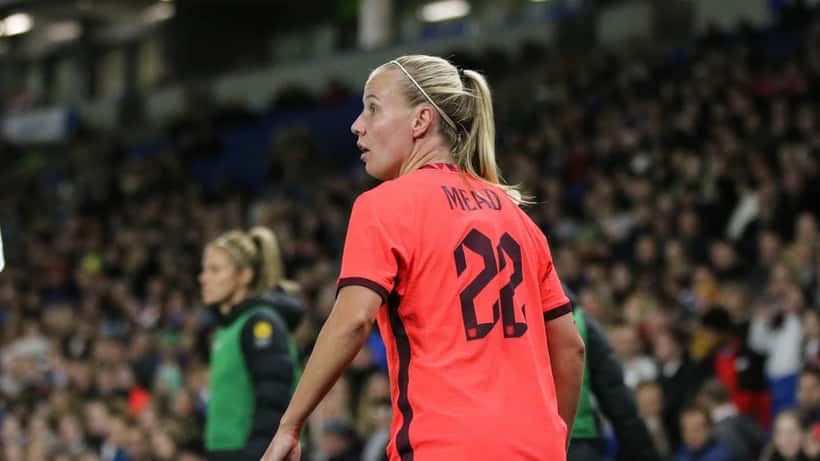
Arsenal and England forward Beth Mead is once again in the spotlight in May 2026, with renewed discussion about her contract status and the wider question of pay in women's football. Mead, one of the most recognised names in the women's game, has navigated significant challenges in recent years — from ACL recovery to the commercial expectations placed on top players as the Women's Super League continues its rapid growth.
Her situation throws into sharp relief a question that resonates far beyond the pitch: when are employment contracts and pay structures genuinely fair, and what recourse do workers have when they are not?
Women's Football Salaries in 2026: The Progress and the Gap
The Women's Super League has seen dramatic salary increases since the FA's commercial rights deal brought greater broadcast revenue into the game. Top earners now command six-figure annual salaries at the largest clubs, and a small cohort of marquee players — primarily those with international profiles and sponsorship portfolios — earn considerably more.
However, the median WSL salary still sits significantly below the minimum wage in the Premier League, and pay structures across the women's game remain far less transparent than in the men's — a disparity that the government's own guidance on equal pay enforcement has highlighted as a cross-sector challenge.
Beth Mead's profile — which includes sponsorships with Adidas, Nike, and a range of consumer brands — illustrates how elite women's footballers increasingly derive income from multiple sources. But it also raises questions about how contracts in creative and professional sports industries are structured, and whether the legal protections available to workers are being fully used.
What Employment Law Says About Pay Transparency
Under the Equality Act 2010, workers in the UK have the right to discuss pay with colleagues to establish whether they are being discriminated against. Employers cannot legally prevent or punish workers for having pay conversations where the purpose is to establish whether differences exist because of protected characteristics such as sex.
This right is particularly relevant in sectors where pay has historically been opaque — sports, entertainment, media, and creative industries among them. A female employee who suspects she is being paid less than male counterparts doing equivalent work can:
- Request a pay audit: While formal pay gap reporting is currently mandatory only for employers with 250 or more employees, workers at smaller organisations can still request salary information relevant to a pay discrimination claim.
- File an equal pay claim: Claims must typically be brought within six months of the end of the employment to which the claim relates. The standard for establishing an equal pay claim requires identifying a "comparator" — a real employee of the opposite sex doing equal work.
- Use the grievance procedure: Before escalating to an employment tribunal, most workers are expected to raise a formal internal grievance. An employment lawyer can help you draft a grievance that preserves your legal position.
Sponsorship Contracts and Athlete Endorsement: A Legal Minefield
Beth Mead's commercial income highlights another area where specialist legal advice is increasingly important: endorsement contracts. A professional athlete's sponsorship agreement is substantially different from an employment contract and is typically not covered by employment law protections.
Key issues in athlete endorsement agreements include:
Exclusivity clauses. Many sponsorship deals require athletes to avoid promoting competing brands — sometimes across product categories that overlap with everyday life. An IT specialist or wealth manager associated with a particular brand, for example, might face restrictions that go beyond what seems commercially reasonable.
Morality clauses. These clauses allow sponsors to terminate contracts if an athlete's conduct is deemed to have brought the brand into disrepute. The definition of "disrepute" is frequently contested — and athletes, including football players, have lost substantial income over clauses that were poorly drafted or deliberately broad.
Termination on injury. Some endorsement contracts include provisions allowing sponsors to reduce or terminate payments if an athlete is unable to perform promotional duties due to injury. Following her ACL surgery, Mead's situation brought renewed focus to how such clauses operate in practice and whether they can be challenged.
A commercial lawyer with experience in sports and entertainment contracts can review sponsorship agreements before signature, negotiate improved termination provisions, and advise on whether existing clauses are enforceable under UK law.
Lessons for UK Professionals Beyond Football
The pay and contractual issues that Beth Mead's career illustrates are not unique to elite sport. Workers in any sector where pay is negotiated individually — technology, finance, media, consulting — may find themselves in analogous situations.
Salary negotiation: Understanding your legal right to discuss pay with colleagues without employer interference is a meaningful lever in negotiation.
Multiple income streams: Freelancers, contractors, and professionals with side income need to understand how employment classification interacts with tax and national insurance obligations — particularly where one or more contracts are structured as self-employment.
Contract review: A short consultation with an employment or commercial lawyer before signing a significant contract — whether an employment offer or a service agreement — can identify clauses that create disproportionate risk.
Expert Zoom connects UK professionals with experienced employment and commercial lawyers for fixed-fee video consultations. Whether you are assessing a pay discrimination concern, reviewing a contract, or navigating a sponsorship dispute, our legal specialists can help you today.
