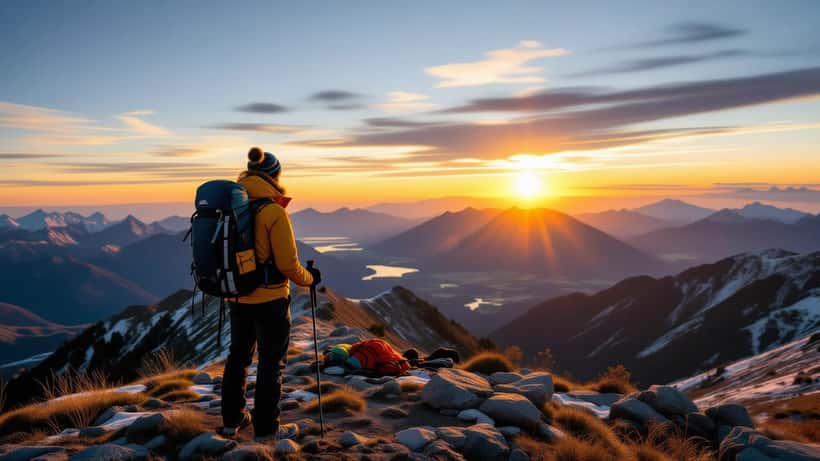
Ben Fogle's 2026 Adventure Travel Tips: What Every Explorer Needs to Know
Adventurer and broadcaster Ben Fogle has spent more than two decades turning extreme expeditions into compelling television. From rowing the Atlantic to crossing Antarctica on foot, he has built a career on calculated risk, meticulous preparation, and a deep respect for the environments he visits. In 2026, as more UK travellers seek active, off-grid experiences, Fogle's approach offers a practical blueprint for anyone planning an adventure holiday.
Why Adventure Travel Is Surging in 2026
Post-pandemic travellers have not simply returned to beach resorts and city breaks. Many are looking for physically demanding trips that promise a sense of achievement alongside relaxation. Tour operators report strong bookings for trekking, cycling, kayaking, and wildlife-watching holidays, often in remote regions. The motivation is partly health-related: people want movement, nature, and disconnection from screens. It is also economic, with travellers seeking value by booking activity-based packages rather than luxury accommodation alone.
However, adventure travel carries different risks from conventional holidays. Medical facilities may be hours away, weather can change rapidly, and standard travel insurance often excludes high-altitude trekking, climbing, or extreme sports. That is where expert advice becomes essential before departure.
The Ben Fogle Method: Preparation Before Passion
Fogle is often described as an adventurer, but he is better understood as a planner who accepts discomfort. His expeditions rely on three principles that apply equally to amateur travellers in 2026.
First, build fitness gradually. Fogle has spoken repeatedly about the months of training required for endurance challenges. For a holiday trek, this means starting a conditioning programme at least eight weeks before departure, focusing on the muscles and joints that will bear the load. A weekend hike with a weighted pack is far more useful than a gym session on a treadmill.
Second, research the environment. Understanding local weather patterns, altitude profiles, and wildlife risks reduces the chance of unpleasant surprises. Travellers heading to high-altitude destinations should plan acclimatisation days and recognise the symptoms of altitude sickness. Those visiting regions with specific disease risks, such as parts of Africa or South Asia, should consult a travel health clinic several weeks in advance.
Third, test your kit. Fogle's teams spend weeks refining equipment lists. Amateur adventurers should break in boots, check waterproofing, and practise using navigation apps or GPS devices before they leave home. A blister or failed battery can ruin a trip far more effectively than bad weather.
Insurance and Safety: The Details That Matter
One of the most common mistakes in adventure travel is assuming a standard policy covers every activity. In 2026, with insurers tightening exclusions around extreme sports and remote rescue, travellers should read the fine print carefully. Key questions include whether the policy covers the specific activity, the maximum altitude, helicopter evacuation, and pre-existing medical conditions.
For anyone inspired by Fogle's more demanding expeditions, a specialist adventure-travel policy is usually necessary. These policies cost more, but the alternative can be a six-figure medical evacuation bill. It is also worth carrying a copy of the emergency contact number and policy details in both digital and paper form.
Travellers should also register with the Foreign, Commonwealth & Development Office if visiting remote or politically unstable regions. This allows consular staff to provide assistance quickly if a natural disaster or civil disturbance occurs.
Choosing the Right Destination in 2026
Fogle's own travels have taken him from the Amazon to the Himalayas, but not every destination suits every traveller. In 2026, several regions are particularly popular with UK adventurers.
Nepal remains a favourite for trekkers, with established routes such as Everest Base Camp and the Annapurna Circuit drawing thousands each year. However, recent incidents have highlighted the importance of choosing reputable guides and understanding the limits of high-altitude trekking. Cape Verde is gaining popularity as a more accessible winter-sun destination with excellent hiking, surfing, and windsurfing. The islands offer a mild climate and relatively short flight times from the UK, making them ideal for active families.
For wildlife enthusiasts, the Maldives and parts of East Africa offer world-class marine and safari experiences. These trips require careful health planning, including vaccinations and malaria prophylaxis where appropriate. UK travellers should consult the latest NHS Fit for Travel guidance and ensure their routine vaccinations are up to date.
Expert Advice Through a Consultation Marketplace
Planning an adventure holiday can be overwhelming, especially when it involves medical preparation, insurance, and activity-specific risks. A consultation marketplace connects travellers directly with experts: travel medicine specialists, adventure guides, insurance advisers, and fitness coaches. Instead of relying on generic blog posts, travellers can ask specific questions about their itinerary, fitness level, and health history.
For example, someone planning a Nepal trek could speak to a doctor experienced in altitude medicine, then consult a trekking guide about route selection and kit. A family heading to Cape Verde could get tailored advice on child-safe activities and sun protection. This model mirrors Fogle's own reliance on expert teams: no one prepares for an expedition alone.
Final Thoughts
Ben Fogle's adventures remind us that the most memorable journeys are often the most demanding. In 2026, as adventure travel continues to grow, the key to a successful trip is not daring alone but preparation. Build fitness, research the destination, buy the right insurance, and seek expert advice when the stakes are high. The wild will still be there for those who arrive ready.
If you are planning an active holiday this year, consider booking a consultation with a travel health specialist or adventure guide through Expert Zoom. The right advice before you leave can make the difference between a trip of a lifetime and a trip you would rather forget.
