 Grace Davies
Every year, tens of thousands of UK Formula 1 fans travel abroad for race weekends. The 2026 Azerbaijan Grand Prix in Baku — scheduled for 24 to 26 September — is drawing significant attention from British supporters, with the 15th race of the season promising a street-circuit spectacle unlike anywhere else on the calendar. But as searches for "azerbaijan gp 2026" spike across the UK, one crucial detail is absent from most fan planning guides: the medical preparation that makes the difference between a trip of a lifetime and a preventable health crisis.
Azerbaijan is a destination with specific health considerations that differ significantly from European race venues. Vaccination requirements, food and water hygiene risks, and limited access to public healthcare in emergency situations all affect UK travellers — yet most fans focus exclusively on flights, hotels, and grandstand tickets.
A Race in a City with Its Own Medical Profile
Baku is a modern, cosmopolitan city, but it operates under a different healthcare system to the UK. According to GOV.UK's official travel advice for Azerbaijan, medical facilities in private hospitals in Baku are adequate, but public hospitals and services in rural areas remain limited. In the event of a serious injury or illness during the race weekend, you may require medical evacuation to Turkey or Western Europe.
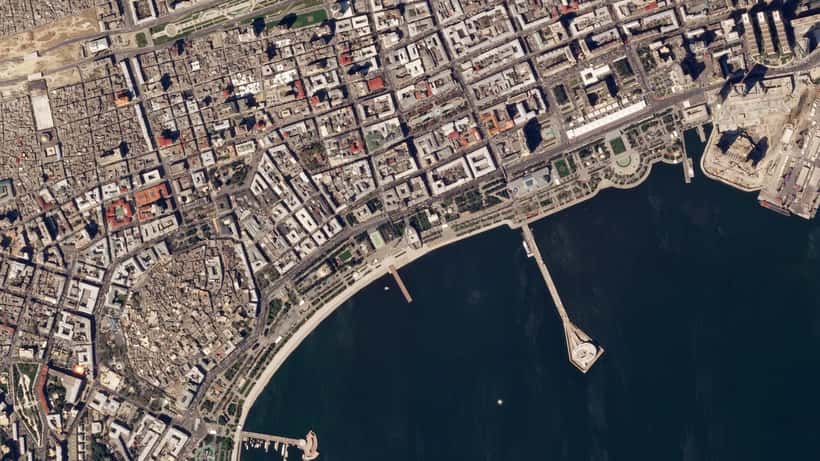
For an event drawing tens of thousands of fans to a dense urban street circuit, this matters. The Baku City Circuit runs through the old town, packing spectators into narrow grandstand sections and fan zones across a city that is not calibrated for mass-attendance medical emergencies.
Temperatures in late September are expected to peak at around 28°C during practice sessions on 24 and 25 September, dropping slightly to 24–25°C by race day on Saturday, 26 September. Add sustained noise above 100 decibels, alcohol, and hours of sun exposure across a multi-day event, and the combination can stress the body in ways that fans rarely anticipate when booking tickets in the summer.
Azerbaijan was officially declared malaria-free by the World Health Organisation in 2023 — reassuring news. But the broader vaccination picture is considerably more complex.
What UK Travel Health Doctors Say About Baku
The National Travel Health Network and Centre (NaTHNaC), which publishes the TravelHealthPro guidance used by NHS travel clinics and GPs, sets out clear recommendations for UK travellers visiting Azerbaijan. These are not optional extras — they reflect documented disease risks in the region.
Recommended for most travellers:
- Hepatitis A vaccination, for all previously unvaccinated adults
- Tetanus, confirming you are up to date with the UK schedule
- MMR (measles, mumps, rubella) — particularly important, given measles' resurgence across Eastern Europe and the Caucasus in recent years
Vaccinations to consider based on individual risk:
- Hepatitis B
- Diphtheria
- Rabies, especially relevant for anyone planning outdoor activities, hiking outside Baku, or close contact with animals
NaTHNaC advises consulting a travel health professional at least four to six weeks before departure. Some vaccines involve multiple doses; others require time to build protective immunity. None can be obtained at the airport, and none work overnight.
For UK fans who booked their race tickets in June or July — the typical window — that timeline has already narrowed significantly. This is precisely where prompt action matters most.
Food and water hygiene is an additional risk that a surprisingly high number of international visitors underestimate. Baku's tourist-facing restaurants typically maintain reasonable standards, but NHS guidance advises drinking only bottled or boiled water throughout your stay, and avoiding raw or undercooked food, as well as unpasteurised dairy products. At a packed race weekend, where catering facilities serve at scale and supply chains come under pressure, these precautions remain highly relevant.
Crowds, Noise and Heat at the Baku City Circuit
The Baku City Circuit is not a typical outdoor sports venue. It is a 6-kilometre urban race that funnels large international crowds through elevated grandstands and historic old-town fan zones. A 2026 spectator guide specifically notes the importance of heat management, crowd separation awareness, and sustained hydration — advising that if anyone in your group feels unwell, overheated, or overwhelmed, the right move is to slow down and seek staff assistance rather than push through the crowd.
In practical terms, this translates to a specific preparation checklist that travel health clinicians recommend:
- Hydration: at least 1.5 to 2 litres of water per person per day, with additional intake during sustained outdoor exposure
- Sun protection: SPF 30 or higher, reapplied every two hours — 25°C with five to six hours of direct sun across three days constitutes meaningful UV exposure
- Ear protection: F1 cars regularly exceed 130 decibels at grandstand level; repeated noise exposure above 85 decibels causes cumulative, irreversible hearing damage. Ear defenders cost under £10 and are sold at most circuits
- Travel insurance: your policy must explicitly cover emergency medical evacuation. Many standard single-trip policies either exclude this or cap cover at levels insufficient for repatriation from Azerbaijan
That last point catches a significant number of UK travellers off guard, and it is consistently flagged by travel health professionals as the most consequential oversight.
Concrete Case: The Fan Who Left Vaccination Too Late
Consider a 38-year-old fan from Leeds who booked Azerbaijan GP tickets in July 2026 for the September race weekend. She had never been vaccinated against Hepatitis A. Flights and accommodation were booked promptly, but she assumed vaccination could wait until a week or two before travel.
Under NHS and NaTHNaC guidelines, a single Hepatitis A vaccine dose provides protection after approximately two weeks. If administered fewer than 14 days before arrival, meaningful immunity cannot be guaranteed. The full two-dose course — offering protection for up to 25 years — requires a booster given 6 to 12 months after the initial dose.
If she presents to a travel clinic on 12 September (14 days before the race on 26 September), a clinician must advise that protection will be marginal by race day. Vaccination would still be offered — some immunity is better than none — but strict food hygiene precautions would become essential throughout the entire trip rather than optional reassurance.
The financial picture puts the stakes in perspective. A Hepatitis A vaccine at a UK private travel clinic typically costs £45–£65 per dose. A full travel health GP consultation — covering vaccines, insurance review, and any medication queries — costs approximately £60–£120. For a trip to Azerbaijan that realistically costs £1,800–£2,500 once flights, race tickets, accommodation, and transfers are included, the medical preparation line is genuinely minor. Yet it is consistently the one left until last.
Steps UK Fans Should Take Now
With the race taking place on 26 September, UK fans have a narrow but real window to act:
- Book a travel health consultation this week — with your GP or a private travel nurse or doctor. Mention your departure date explicitly so they can prioritise the most time-critical vaccines.
- Confirm your existing vaccination history — your GP can access your NHS vaccination record. Knowing what you have already avoids unnecessary repeat doses and focuses the consultation on gaps.
- Review your travel insurance policy — check that emergency medical evacuation is explicitly covered, not merely implied by a general "medical expenses" clause.
- Read the GOV.UK Azerbaijan page before and close to departure — it is updated when conditions change and includes entry requirements, health alerts, and local safety information.
- Prepare a basic medical travel kit — oral rehydration sachets, sunscreen, ear defenders for the race itself, any regular prescription medication with adequate supply for delays.
If you have pre-existing conditions — cardiovascular disease, asthma, diabetes, or immunosuppression of any kind — a GP consultation before any high-heat, high-noise, high-crowd international event is not optional. It is the baseline.
For a broader comparison of travel health planning frameworks before major international events, the Barbados 2026 health risks guide for UK tourists covers many of the same considerations for a long-haul tropical destination.
This article is for informational purposes only and does not constitute medical advice. Consult a qualified healthcare professional before travelling.
Baku in September is spectacular — the old city backdrop, the street circuit atmosphere, the unpredictable race outcomes. Getting there in good health, and coming back in the same condition, starts with a conversation most fans have not yet had. ExpertZoom can connect you with qualified UK health professionals who can advise on travel vaccinations, pre-departure medical checks, and preparation specific to your individual circumstances.
