 Abigail Clarke
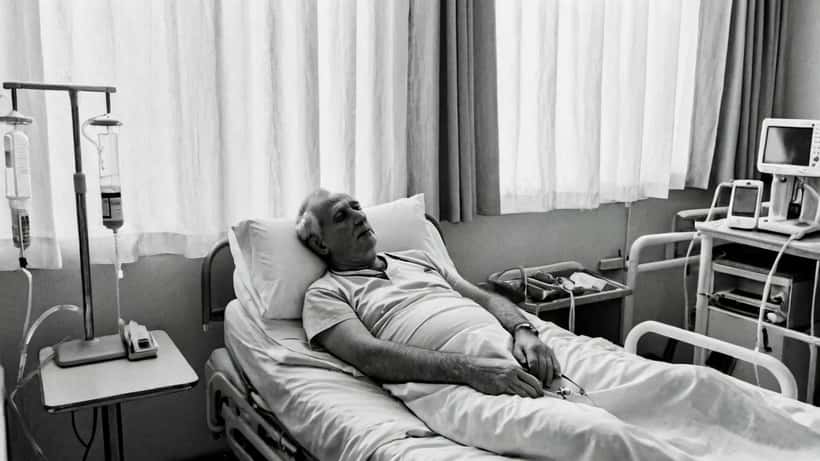
Ashley Hamilton, son of actor George Hamilton, was found unresponsive at an Airbnb property in Los Angeles on Thursday, April 2, 2026, and rushed to hospital after an apparent overdose. The 52-year-old actor — previously married to actress Shannen Doherty — is currently reported to be in stable condition, according to TMZ. The incident has reignited public conversation about addiction relapse, long-term recovery, and the often-invisible struggles faced by those who have attended rehabilitation more than once.
A Long Battle with Addiction
Hamilton has been open about his decades-long struggle with alcohol and substance dependency. Reports indicate he has sought professional rehabilitation more than 30 times over the course of his adult life. That figure surprises many — yet addiction specialists regularly see patients who enter treatment programmes multiple times before achieving sustained recovery.
Relapse is not failure. According to the UK's National Health Service, addiction to alcohol or drugs is a chronic condition, much like diabetes or hypertension, and relapse rates for substance use disorders range between 40% and 60% — comparable to rates for other chronic illnesses. The number of rehabilitation stays does not indicate weakness of character; it reflects the complexity of the underlying condition.
Why Does Relapse Happen — and What Are the Warning Signs?
Addiction alters the brain's reward system in lasting ways, making cravings intense even after years of sobriety. Common triggers for relapse include:
- Stress and life transitions — job loss, bereavement, relationship breakdown
- Social isolation — loss of a supportive network after leaving a structured rehabilitation environment
- Co-existing mental health conditions — anxiety, depression, or PTSD frequently accompany substance use disorders
- Overconfidence in recovery — returning to environments or contacts associated with past use
For those living with or supporting someone in recovery, early warning signs can include withdrawal from social activities, erratic behaviour, sudden mood changes, or unexplained financial difficulties. Recognising these signs early — before a crisis — is one of the most effective ways to prevent a potentially fatal episode.
When Should You Seek Professional Help?
If someone close to you has relapsed, or if you are concerned about a pattern of substance use, a first step is speaking to a qualified healthcare professional — a GP, addiction medicine specialist, or mental health counsellor. In the UK, community drug and alcohol services are available through the NHS at no cost.
However, waiting lists can be lengthy. Many people choose to supplement NHS pathways with private consultations, particularly for psychological therapies such as cognitive-behavioural therapy (CBT) or motivational interviewing, which have strong evidence bases for supporting long-term recovery from substance use disorders.
A specialist in addiction medicine or addiction psychiatry can:
- Conduct a comprehensive assessment of substance use history and mental health
- Recommend medically supervised detoxification if required
- Develop an individualised care plan combining medication-assisted treatment and talking therapies
- Provide guidance on relapse prevention strategies tailored to personal triggers
According to the NHS guidance on drug addiction, early intervention significantly improves the chances of long-term recovery.
Overdose Risk and Immediate Action
Drug-related deaths in England and Wales reached 4,907 in 2023, according to the Office for National Statistics — the highest figure on record. Many of these deaths were preventable with prompt intervention.
If you witness or suspect an overdose:
- Call 999 immediately
- Place the person in the recovery position if they are breathing but unconscious
- Do not leave them alone
- Share information with paramedics about what substances may have been taken
Naloxone, a medication that can rapidly reverse opioid overdoses, is now available without prescription at many UK pharmacies. Community training programmes teach family members and friends how to administer it.
The Role of Mental Health Professionals in Recovery
Physical detoxification is only the beginning of treatment. The psychological work — understanding why substance use began, managing triggers, rebuilding identity and relationships — is where a trained therapist or psychiatrist is indispensable.
Research consistently shows that integrated treatment addressing both the substance use disorder and any co-existing mental health condition produces better long-term outcomes than treating either in isolation. If you are supporting a loved one, or if you yourself are struggling, seeking the guidance of an addiction specialist is not a sign of weakness — it is the most effective step available.
Platforms such as Expert Zoom connect individuals in the UK with certified health professionals — including addiction medicine consultants and mental health specialists — for online consultations. A first step can be as simple as a private, confidential conversation with a specialist who understands both the medical and psychological dimensions of addiction.
Recovery is not linear. But with the right support, it is possible.
This article discusses addiction and mental health. If you are in immediate crisis, call the Samaritans on 116 123 (available 24/7, free of charge) or contact your nearest A&E department.
