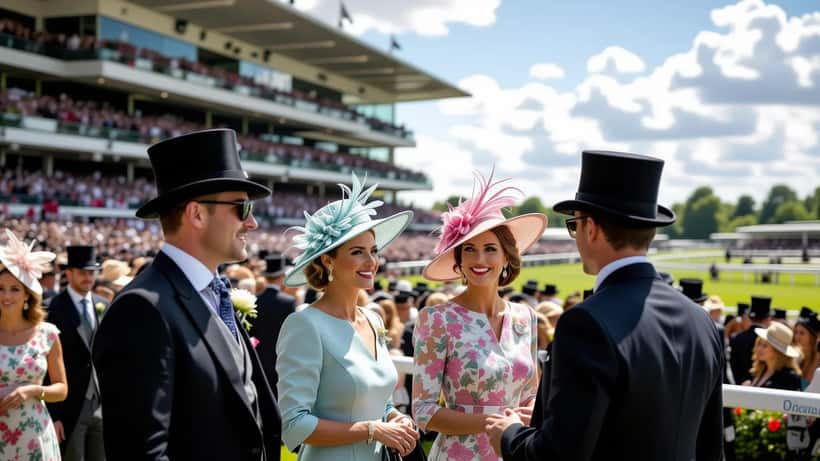
Royal Ascot 2026 is underway at Berkshire's most famous racecourse, and "ascot races today" is among the UK's fastest-rising search queries. With five days of Group-class racing, royal processions and summer social spectacle, the meeting is as much a cultural event as a sporting one. For anyone trying to make sense of the form book, the key is to look past the top hats and headlines and understand what really moves a horse's price on the day.
What is happening at Ascot today?
The 2026 Royal Meeting runs from Tuesday 16 June to Saturday 20 June. Today is a live race day, with a seven-race card that typically mixes high-class handicaps with at least one Pattern race. The exact order shifts each year, but the constants are fast turf, large fields and a track that rewards both stamina and tactical positioning.
Ascot's straight mile is one of the most testing courses in Europe. Horses that win here usually combine pace with the ability to settle in a crowded field. The camber and undulations look subtle on television, but jockeys consistently cite them as decisive. A horse that drifts wide around the final bend often gives away several lengths that no amount of finishing speed can recover.
Why the search interest spikes today
Royal Ascot generates more Google traffic in a single week than almost any other British racing fixture. The reasons are simple: the meeting is televised live, it attracts casual viewers who do not follow horse racing regularly, and it overlaps with office sweepstakes, hospitality outings and betting promotions. When someone types "ascot races today", they usually want one of three things: the race schedule, the runners and riders, or an educated opinion on which horses might win.
That third need is where experts come in. Racecards list facts — age, weight, trainer, jockey, form figures — but they do not interpret them. A racing analyst can explain why a Listed winner at Newbury might struggle under a 7 lb penalty at Ascot. A bloodstock consultant can point out that a three-year-old colt stepping up to a mile against older horses is often overbet because of novelty value. A tipster with a specialised angle — trainer form at the meeting, sire statistics on fast ground, jockey booking patterns — can add context the mainstream previews miss.
The expert lens: reading a Royal Ascot racecard
Successful betting at Royal Ascot is rarely about picking the most famous name. It is about matching a horse's proven strengths to the conditions it will face today. Key questions include:
- Ground: Ascot can ride fast in June, and some horses need cut in the turf to show their best. Check the going description before every race.
- Trip: A mile at Ascot often suits a strong stayer rather than a pure sprinter stretched out. Conversely, the five-furlong sprints can favour early speed if the rail is quick.
- Draw: In large fields, the stall a horse starts from can be decisive, especially over sprint distances on the straight course.
- Pace: A race with several confirmed front-runners usually sets up for a closer. A tactical, slowly-run affair can suit a horse with a sharp turn of foot.
- Class: Royal Ascot brings together winners from Ireland, France, North America and the Middle East. Not all Group-race form is equal.
These variables interact in ways that casual punters underestimate. A horse that won cosily at the Curragh may find the Ascot hill a completely different test. A front-runner drawn wide in a 20-runner handicap may burn energy just getting a position.
Beyond the bet: the social and business side
Royal Ascot is also a major corporate and hospitality event. Companies book boxes months in advance, dress codes are strictly enforced, and the meeting is woven into the British summer calendar. For event planners, hospitality consultants and private-client advisers, Ascot week is a logistical peak. Transport to Berkshire, restaurant reservations, on-course etiquette and even weather contingencies become high-stakes details.
That creates a secondary audience for the "ascot races today" query: people who are attending or organising around the event and need practical guidance. What time do gates open? Which enclosure offers the best view? How strict is the dress code in the Royal Enclosure? These are answerable questions, but the best answers come from people with first-hand experience.
Bottom line
Whether you are studying the form for the next race, planning a hospitality trip or simply trying to understand why a 5-1 favourite has drifted to 8-1, Royal Ascot rewards specialist knowledge. The races today are part of a meeting where context matters more than reputation. If you want to move beyond the headlines, ask an expert who understands the course, the conditions and the subtle factors that decide big-field handicaps.
