 Sophia Hamilton
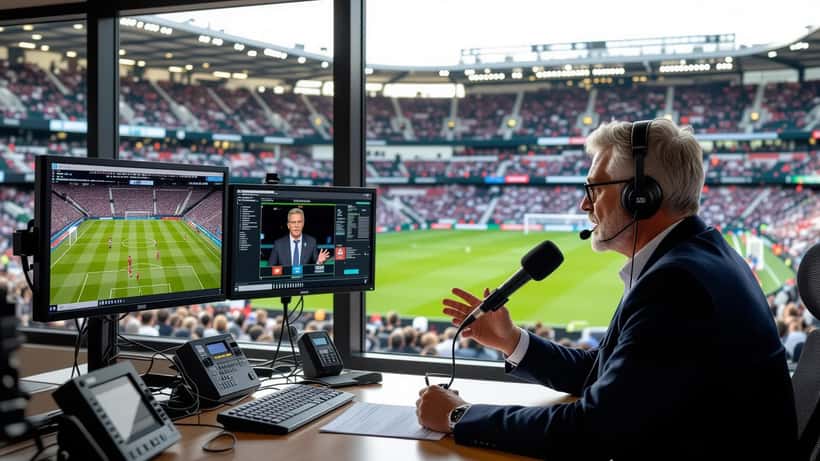
Scotland's historic qualification for the 2026 FIFA World Cup brought Ally McCoist back to the national stage — not as a player or manager, but as ITV's co-commentator for the nation's most talked-about matches this summer. With the Scottish legend's commentary drawing as much attention as Scotland's performances on the pitch, a familiar question has resurfaced: what rules actually govern what football pundits can say on live television?
As Scotland's World Cup campaign unfolds in North American stadiums, McCoist's presence in the ITV commentary box has been a major talking point. His enthusiasm for Scotland and pointed observations about individual players have drawn praise from Scottish fans and criticism from others who feel his analysis crosses a line. But under UK broadcasting law, where exactly is that line?
What Ofcom's Broadcasting Code Says About Sports Commentary
In the United Kingdom, all licensed broadcasters — including ITV — are governed by Ofcom's Broadcasting Code, a framework that covers everything from accuracy in news to offensive content in entertainment. However, Section 5 of the Code, which deals with "due impartiality," explicitly carves out an exception for sports coverage.
Ofcom's guidance makes clear that the requirement for due impartiality applies primarily to matters of political or industrial controversy and to matters of current public policy. Sports punditry — including expressing a preference for one team over another, or offering critical analysis of a specific player — is not subject to the same impartiality requirements as news broadcasting.
This means that a commentator expressing strong views about a footballer's performance, or showing evident support for one side, does not automatically breach the Broadcasting Code. It sits squarely within the accepted norms of sports commentary in the UK.
When Does Pundit Commentary Become a Legal Issue?
While enthusiasm and strong opinions are protected, several areas of broadcast commentary can cross into legally sensitive territory.
Defamation is the most significant risk. If a pundit makes a false statement of fact about a named individual — rather than offering an opinion — that could potentially constitute defamation under the Defamation Act 2013. Incorrectly claiming that a player deliberately cheated, or making untrue statements about their private conduct, could expose both the broadcaster and the commentator to legal action.
The key distinction in English law is between fact and opinion. A comment such as "he lacks the pace to compete at World Cup level" is an opinion, and therefore legally protected. A statement such as "that player has been taking banned substances" is a statement of fact — and if untrue, potentially actionable.
Section 3 of Ofcom's Broadcasting Code, covering "harm and offence," is also relevant. Content that is likely to cause harm, or that is grossly offensive without editorial justification, can trigger an Ofcom investigation — even if it does not constitute defamation in law.
What Happens When a Viewer or Club Complains to Ofcom?
If you believe that something said during a live broadcast has breached broadcasting standards, you can file a formal complaint directly with Ofcom. The regulator then decides whether to open an investigation.
Ofcom receives tens of thousands of broadcast complaints each year across its monitored services. When it investigates and finds a breach, sanctions range from a formal reprimand to financial penalties and, in extreme cases, licence revocation for the broadcaster. Crucially, Ofcom's powers apply at the level of the broadcaster, not the individual pundit. If ITV were found to have breached the Broadcasting Code, the consequences would fall on ITV as the licence holder, not on McCoist personally.
For clubs or individuals who believe a specific breach occurred, filing with Ofcom is an important first step — and it is free. The process does not prevent you from also pursuing civil legal remedies if you have been personally defamed.
What Are Your Options If You Believe You've Been Defamed?
If you are a public figure — such as a professional footballer, club official, or club itself — and you believe a false statement of fact has been made about you during a live broadcast, defamation law may give you a route to redress.
The Defamation Act 2013 introduced a "serious harm" threshold: to succeed in a defamation claim in England and Wales, the claimant must show that the publication caused, or was likely to cause, serious harm to their reputation. For companies, the threshold is set even higher — they must demonstrate serious financial loss as a result.
For most football clubs and players, a legal challenge to pundit commentary is rare precisely because courts apply this threshold rigorously. Words spoken in the heat of live sports coverage are generally understood as opinion rather than reportage of fact.
However, if a specific and verifiable false statement of fact is made during a broadcast, and you can demonstrate that it caused or is likely to cause serious reputational harm, consulting a media law solicitor at an early stage is a sensible step. Early advice helps you assess whether you have a viable claim before committing to what can be costly litigation.
Expert Zoom connects individuals and organisations with qualified media law solicitors who can advise on broadcasting complaints, defamation issues, and the broader regulatory landscape. For further context on how rights agreements shape what viewers in the UK can watch during the tournament, see our guide on BBC Football Scores and World Cup 2026 broadcast rights.
Scotland, McCoist and Why This Matters in 2026
For Scottish fans, the regulatory debate may feel secondary to the joy of watching Scotland compete on the world stage for the first time since France 1998 — a wait of 28 years finally ended at the 2026 tournament. McCoist, Scotland's all-time leading scorer during his playing days, carries enormous national significance as part of the ITV team.
Whether you find his commentary compelling or contentious, understanding the rules that govern what television pundits can and cannot say is important as World Cup coverage generates unprecedented viewing figures and social media commentary. The law protects robust sporting debate. It does not, however, protect false statements of fact that damage reputations.
If you believe a broadcasting standard has been breached, the most effective first step is to file an Ofcom complaint. If you believe you have been personally defamed during a broadcast, speak with a media law solicitor promptly — the earlier you take advice, the more options remain available to you.
This article provides general legal information only and does not constitute legal advice. If you believe you have a claim arising from broadcast content, you should consult a qualified solicitor. Expert Zoom connects you with verified legal specialists in media law across England, Wales, and Scotland.
