 Charlotte Hughes
Air Canada LaGuardia Crash: 2 Killed, 70 Injured — What Passengers and Families Can Claim
Two pilots were killed and at least 70 people injured — five critically — when an Air Canada regional jet collided with a fire truck on the runway at LaGuardia Airport, New York, on 22 March 2026. The incident has triggered one of the biggest aviation compensation questions of the year: what rights do passengers have when a flight ends in a crash?
What Happened at LaGuardia on 22 March 2026
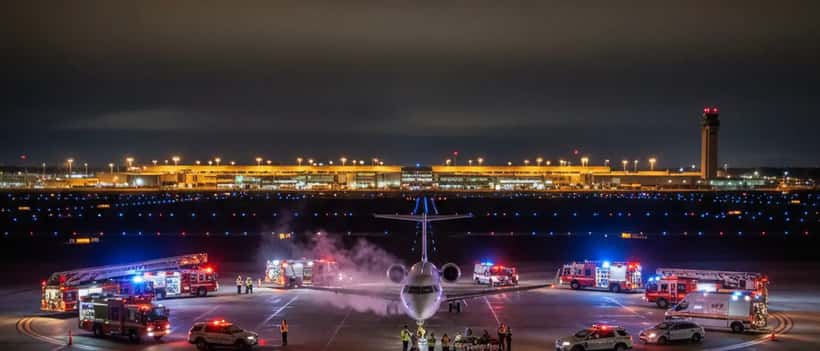
At approximately 11:40 p.m., Jazz Aviation Flight 8646, operating on behalf of Air Canada, struck a Port Authority Aircraft Rescue and Firefighting (ARFF) vehicle as the Bombardier CRJ-900 landed on the runway. The fire truck had been dispatched to assist another aircraft that had reported an unknown cockpit odour and had been cleared onto the taxiway.
The aircraft was carrying 72 passengers and 4 crew members, according to the CBC. The collision caused extensive damage to the aircraft. LaGuardia Airport was closed immediately; the FAA stated it would remain shut until at least 2 p.m. on Monday, 23 March. The NTSB launched an investigation team that arrived on site Monday morning.
The crash is trending across the UK with over 10,000 searches, as many British travellers fly Air Canada transatlantic routes and connect through US airports.
Your Rights as a Passenger Under UK Law
Even though this incident occurred in the United States, UK passengers may have significant legal avenues for compensation. Here is what the law currently provides.
Montreal Convention 1999 — The global baseline. The Montreal Convention governs international air travel liability for airlines operating between signatory countries (which include both Canada and the UK). Under Article 17, airlines are strictly liable — meaning you do not need to prove negligence — for passenger death or injury caused during boarding, on board, or disembarkation. There is no financial cap on compensation for the first 128,821 Special Drawing Rights (approximately £120,000). For amounts above this threshold, the airline can only escape liability by proving the damage was caused by a third party.
UK261 — The flight disruption regulation. For delays and cancellations caused by this crash (passengers who were due to depart LaGuardia on 23 March and beyond), UK Regulation 261/2004 (retained in UK law post-Brexit) may apply. Compensation ranges from £220 for short-haul flights to £520 for long-haul, payable when your flight was cancelled or arrived more than three hours late due to reasons within the airline's control.
The UK Civil Aviation Authority clarified in March 2026 that "extraordinary circumstances" — which would block compensation claims — do not apply to incidents that stem from operational decisions by the airline or ground handlers. A runway collision involving airport fire services is likely to be assessed on a case-by-case basis.
Who Can Claim and What Can They Claim?
Passengers who were injured can claim under the Montreal Convention for bodily injury, including psychological trauma, medical costs, and loss of earnings. UK solicitors specialising in aviation law typically work on a no-win-no-fee basis for these claims.
Families of the two pilots who died may bring claims for wrongful death under both the Montreal Convention and applicable US state law. Cross-border estate and aviation law expertise is essential here.
Passengers whose flights were disrupted — whether cancelled, diverted, or significantly delayed due to the LaGuardia closure — should document all additional costs: hotels, meals, replacement flights, and missed connections. These can be claimed from the airline under the duty of care provisions of UK261, regardless of the cause of disruption.
Travel insurance holders should check their policy for aviation incident clauses. Most comprehensive travel policies cover delays and medical evacuation resulting from accidents, but exclusions vary widely.
What to Do Right Now if You Were Affected
Keep all receipts and documentation. Hotel costs, meal costs, taxi receipts, and any medical bills — all of these form the evidential basis of a compensation claim.
Request written confirmation from Air Canada. Ask the airline to confirm in writing the cause of the delay or cancellation and the alternatives they offered. This is your right under UK261.
File a formal complaint promptly. Airlines must respond to written complaints within specific timeframes. Delaying weakens your position if the matter escalates.
Consult a specialist lawyer. Aviation claims — particularly those involving the Montreal Convention — are complex. Compensation amounts can be substantial, but claims must be framed correctly to succeed. A lawyer can assess whether UK261, the Montreal Convention, or both apply to your situation.
On Expert Zoom, our network of UK aviation and travel law solicitors can assess your case within 24 hours, advise on the strength of your claim, and guide you through the process — with no upfront fees for initial consultations.
YMYL Disclaimer: This article provides general legal information only and does not constitute legal advice. Aviation compensation law is complex and fact-specific. Please consult a qualified solicitor for advice tailored to your circumstances.
What Happens Next
The NTSB investigation will determine the cause of the collision and assign liability. This process typically takes 12 to 18 months for a major incident. However, you do not need to wait for the investigation to conclude before filing a compensation claim — the Montreal Convention and UK261 operate on separate legal tracks from the criminal and regulatory investigations.
The 72 passengers on board Flight 8646, and the hundreds of travellers whose plans were disrupted by the LaGuardia closure, all have legal rights worth exploring. The time to act is now — not after the investigation completes.
