 Eleanor Vaughan
A27 Fatal Crash Near Chichester: Road Accident Victims and Their Legal Rights
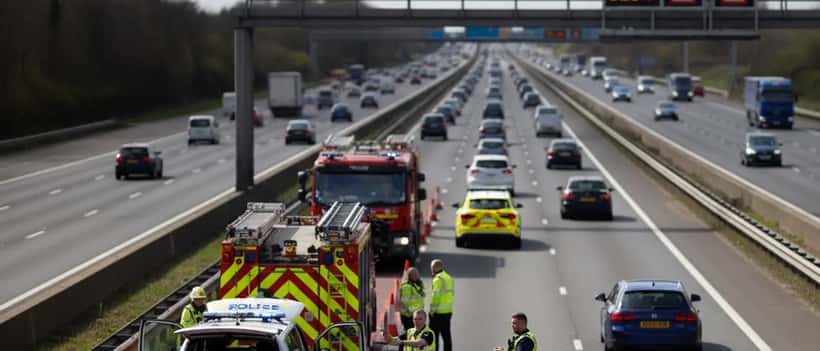
A 53-year-old man from Portsmouth died in a single-vehicle collision on the A27 near Hambrook, East Sussex, in the early hours of Wednesday 11 March 2026. The silver Ford Transit van he was driving was found rolled over on the eastbound carriageway between Warblington and Fishbourne at approximately 5:30am. Emergency services attended the scene, but the driver was pronounced dead at the scene.
Sussex Police launched Operation Chilcote and appealed for witnesses and dashcam footage. The A27 remained closed in both directions for most of that day, causing widespread disruption to commuters across the region.
The A27 — one of the busiest coastal trunk roads in England — sees a disproportionate number of serious collisions each year, particularly in the section between Chichester and Havant. This latest fatality has once again raised questions about road safety standards and the support available to those affected by road accidents.
The Legal Framework After a Fatal Road Accident
When someone dies in a road accident, the legal consequences extend far beyond the immediate emergency response. Several different legal processes can be triggered simultaneously, and understanding which applies to your situation is essential.
Police investigation: Sussex Police will investigate the circumstances of the crash. In a fatal collision, this typically includes forensic examination of the vehicle, analysis of any CCTV or dashcam footage, and interviews with witnesses. The investigation can take several months before reaching a conclusion.
Inquest: A coroner's inquest is mandatory when someone dies in sudden or unexplained circumstances, including road accidents. The inquest is a fact-finding process — not a criminal trial — that aims to establish who died, where and when, and how. Families have the right to attend and to be legally represented.
Criminal proceedings: If the police find evidence of dangerous driving, driving under the influence, or other criminal offences, the Crown Prosecution Service (CPS) may bring charges against the responsible party. Causing death by dangerous driving carries a maximum sentence of 14 years under the Road Traffic Act 1988, increased to life imprisonment for the most serious cases under the 2022 Police, Crime, Sentencing and Courts Act.
Civil claims: Separately from any criminal prosecution, the family of a deceased person may bring a civil claim for compensation under the Fatal Accidents Act 1976. This can include bereavement damages (currently set at £15,120 for qualifying relatives) as well as claims for dependency losses — the financial contribution the deceased would have made to the household over their lifetime.
What to Do If You Are Involved in or Witness a Road Accident
Immediate steps matter enormously for any subsequent legal or insurance claim.
At the scene: Call 999 immediately if anyone is injured or a road is blocked. Exchange details with all parties involved — name, address, vehicle registration, and insurance information. If it is safe to do so, take photographs of the scene, vehicle positions, and any visible damage.
In the days that follow: Report the accident to your insurance company promptly, even if you do not intend to make a claim. Failure to do so can invalidate your policy. Keep a record of any injuries, symptoms, or expenses related to the accident.
Seek medical attention: Even if you feel uninjured immediately after a crash, whiplash, soft-tissue injuries and psychological trauma (including PTSD and acute stress disorder) can take hours or days to manifest. A contemporaneous medical record is vital for any future personal injury claim.
Preserve evidence: Do not repair your vehicle until the insurance company or your solicitor has had the opportunity to inspect it. Request dashcam footage from your own device and note details of any other vehicles that may have captured the incident.
When Should You Contact a Solicitor?
The decision to instruct a solicitor should be made as early as possible. In road accident claims, the limitation period — the window within which a legal claim must be filed — is generally three years from the date of the accident under the Limitation Act 1980. However, waiting too long makes it significantly harder to gather evidence, locate witnesses, and reconstruct the sequence of events.
A solicitor specialising in personal injury or road traffic law can help you in several practical ways:
- Assess whether you have a viable claim for compensation
- Navigate the Motor Insurers' Bureau (MIB) process if the responsible driver was uninsured or fled the scene
- Correspond with insurance companies on your behalf to avoid the common pitfalls of early settlement offers that undervalue your claim
- Represent you at an inquest if you are a family member of someone who died
Many personal injury solicitors offer a free initial consultation and work on a no-win, no-fee (conditional fee agreement) basis, meaning you do not pay unless your claim succeeds.
Legal notice: This article provides general information only and does not constitute legal advice. Every road accident case has unique facts and circumstances. For advice tailored to your situation, consult a qualified solicitor as soon as possible after an accident.
For immediate access to specialist legal advice, Expert Zoom connects you with qualified lawyers and solicitors available for online consultations — no waiting room, no appointment needed.
Sources: ITV News Meridian, 12 March 2026; PortsmouthNews, 11 March 2026; National World, 11 March 2026; UK Fatal Accidents Act 1976; Road Traffic Act 1988; Police, Crime, Sentencing and Courts Act 2022.
