The average UK motorist spends between £300 and £500 per year on car repairs, yet almost half admit they would not know how to spot a rogue mechanic [RAC, 2024]. Finding someone trustworthy to work on your vehicle can feel overwhelming — especially when you need urgent help. This step-by-step guide walks you through exactly how to find a reliable mechanic in the UK, what qualifications to look for, how much common repairs actually cost, and what consumer rights protect you if something goes wrong.
Step 1: Decide Between a Franchised Dealer, Independent Garage, and Mobile Mechanic
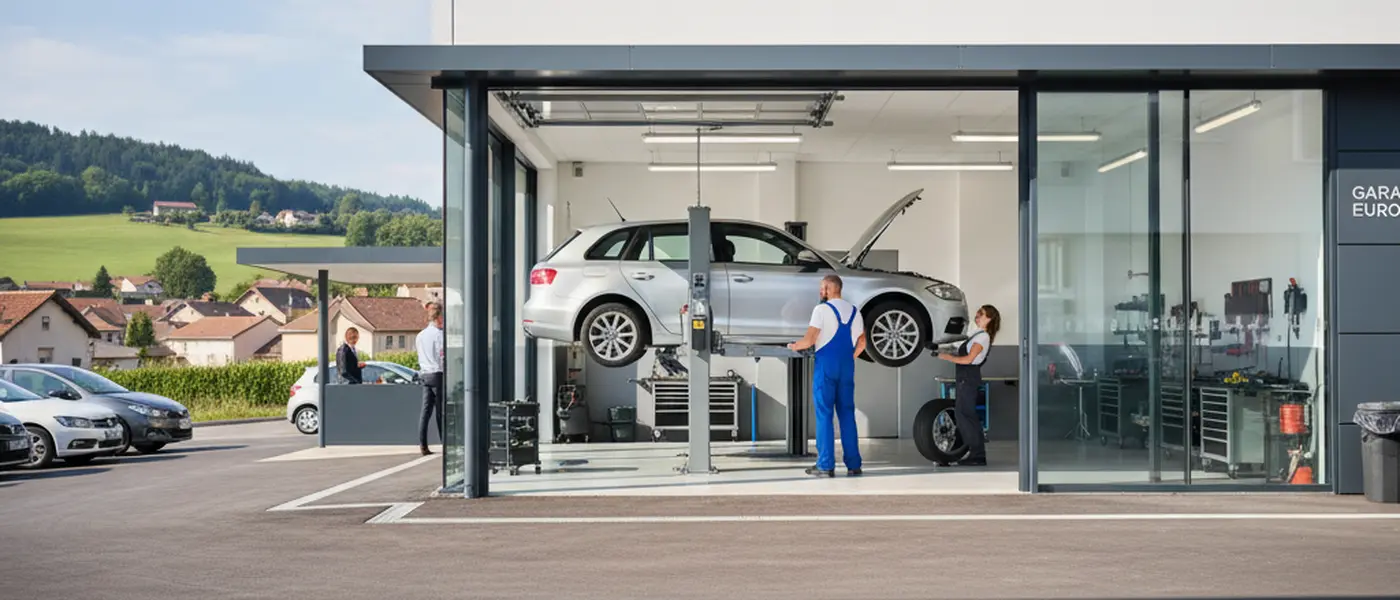
A franchised dealer works exclusively with one car brand and uses manufacturer-approved parts. Labour rates typically range from £100 to £200 per hour [AA, 2025]. An independent garage handles most makes and models at lower rates — usually £50 to £100 per hour — but quality varies widely.
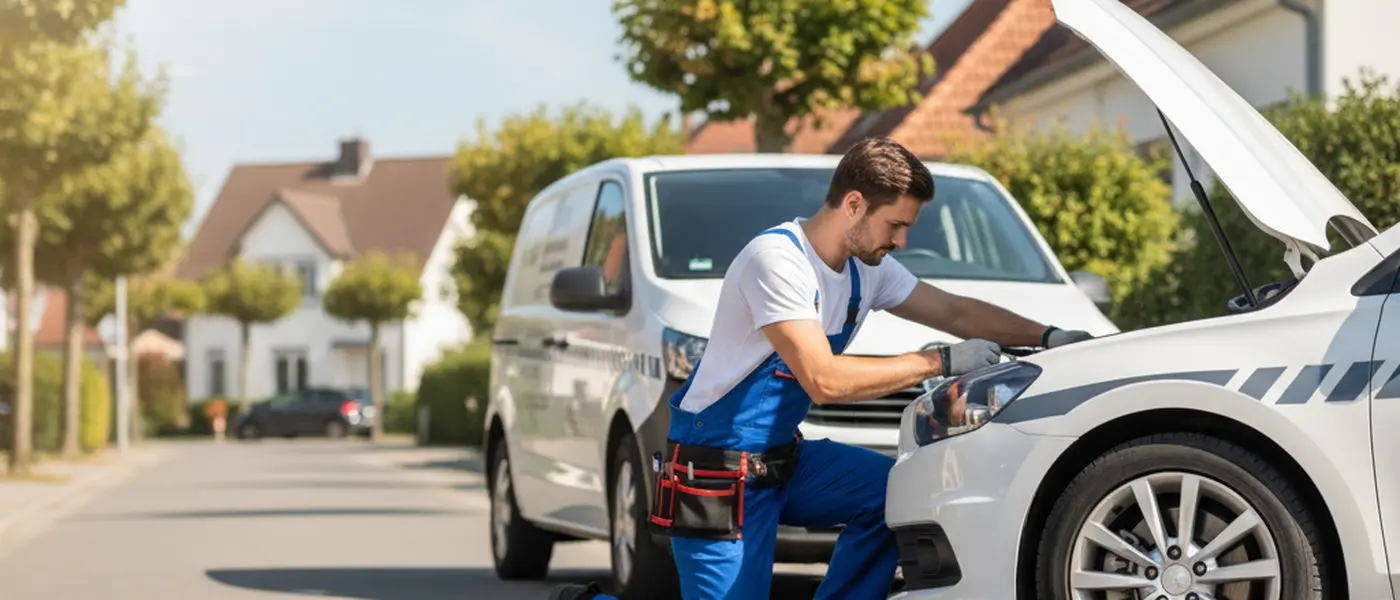
Mobile mechanics travel to your home or workplace. They suit straightforward jobs such as brake-pad replacements, diagnostics, and servicing. Platforms like ClickMechanic and WhoCanFixMyCar let you compare quotes before booking.
Which option suits your situation?
| Factor | Franchised Dealer | Independent Garage | Mobile Mechanic |
|---|---|---|---|
| Hourly rate | £100–£200 | £50–£100 | £40–£80 |
| Best for | Warranty work, complex electronics | General repairs, MOT | Simple servicing, diagnostics |
| Parts used | OEM only | OEM or aftermarket | Aftermarket (usually) |
| Convenience | You go to them | You go to them | They come to you |
| Booking ease | Phone/online | Phone/walk-in | App/online |
Choose a franchised dealer if your car is under warranty. For older vehicles, an independent garage with good reviews often delivers the same quality at a lower cost.
Step 2: Check Qualifications and Accreditations
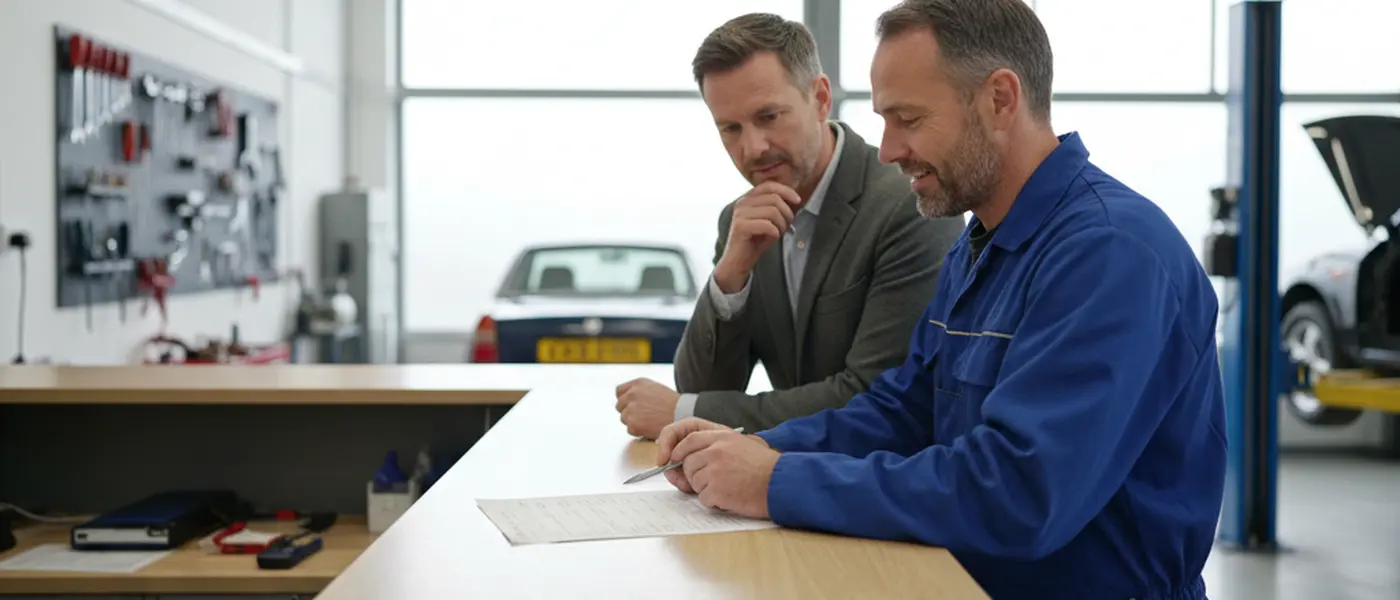
A qualified mechanic in the UK should hold an IMI (Institute of the Motor Industry) certification or a City & Guilds Level 3 in Vehicle Maintenance and Repair. These confirm practical competence across diagnostics, electrical systems, and engine work.
Beyond individual qualifications, look for garage-level accreditation. The Motor Ombudsman — the UK's automotive dispute-resolution body — accredits garages under its Service and Repair Code. Members agree to transparent pricing, written estimates, and an independent complaints process.
Other trust marks worth checking:
- Good Garage Scheme — vetted garages backed by the RAC
- Bosch Car Service — trained on Bosch diagnostics equipment
- Hybrid and Electric Vehicle accreditation (IMI Level 2+) — essential if you drive a hybrid or EV, since high-voltage systems require specialist safety training
Key point: Any mechanic working on electric or hybrid vehicles must hold IMI Level 2 or higher certification in Electric/Hybrid Vehicle System Repair. Working without it is a serious safety risk [IMI, 2024].
Step 3: Read Reviews and Ask for Recommendations
Online directories list thousands of garages, but not all reviews are equally useful. Focus on platforms that verify the reviewer actually used the service. Checkatrade, Trustpilot, and Google Business profiles all allow verified reviews.
When reading reviews, look beyond star ratings. Pay attention to how the garage handles complaints. A five-star garage with zero negative reviews may be filtering feedback. A four-star garage that responds constructively to criticism often provides a more honest picture.
How to shortlist a mechanic
- Search for garages within 10 miles of your postcode on Checkatrade or Google Maps
- Read the three most recent one-star reviews — note any patterns (hidden charges, delays, poor communication)
- Check the garage's response to complaints — professional replies indicate accountability
- Ask friends, family, or local community groups on Facebook or Nextdoor for personal recommendations
- Call the garage and ask for a written estimate before booking — a reputable mechanic will not hesitate to provide one
Personal recommendations remain the most reliable filter. According to a 2023 survey by the Society of Motor Manufacturers and Traders (SMMT), 62% of UK drivers chose their current garage based on a recommendation from someone they trust.
Step 4: Understand What Common Repairs Should Cost
Knowing ballpark costs helps you spot overcharging. Prices vary by region — London and the South East are typically 20–30% higher than the Midlands or North [Which?, 2024].
The MOT test fee is capped by the Driver and Vehicle Standards Agency (DVSA) at £54.85 for cars [gov.uk, 2025]. Any garage charging more for the test itself is acting unlawfully. Repairs recommended after an MOT are a separate charge and should always be quoted in writing before work begins.
To remember: Always request an itemised invoice that separates parts from labour. This makes it easier to compare quotes and challenge unexpected charges.
Step 5: Know Your Consumer Rights Before Authorising Work
The Consumer Rights Act 2015 is the primary legislation protecting you when paying for vehicle repairs in England, Scotland, and Wales. Under this act, any service — including car repairs — must be carried out with reasonable care and skill, within a reasonable time, and at a reasonable price if no fixed quote was agreed.
What to do if a repair goes wrong
- Contact the garage in writing — explain the fault and reference the Consumer Rights Act 2015. Give them a chance to put it right
- Request a re-repair or partial refund — you are entitled to have the work redone at no extra cost, or to receive a price reduction
- Escalate to The Motor Ombudsman — if the garage is a member, you can file a formal complaint through their Alternative Dispute Resolution (ADR) process
- Use your credit card protection — if you paid over £100 by credit card, Section 75 of the Consumer Credit Act 1974 makes the card provider jointly liable
The DVSA also operates a complaints process for MOT-related issues. If you believe your car was issued an MOT pass fraudulently, report it directly to the DVSA.
The essentials: Never authorise work verbally without a written quote. Under the Consumer Rights Act 2015, you can reject substandard repairs and claim a refund or re-repair at no additional cost.
Step 6: Red Flags That Signal an Unreliable Mechanic
Not every garage operates transparently. Watch for these warning signs before and during a repair:
- Refusing to provide a written estimate — a trustworthy mechanic will always quote before starting
- Pressuring you into immediate repairs — "if you don't fix this now, it's dangerous" without evidence on an inspection report
- No visible accreditation — no Motor Ombudsman, Good Garage Scheme, or IMI certificates on display
- Cash-only payments with no invoice — this limits your consumer protection and suggests the business may not be VAT-registered
- Adding work without permission — any additional repairs must be authorised by you before the mechanic starts them
- Returning old parts in a bin bag — reputable garages offer to show you or return replaced parts as standard
If you encounter these behaviours, collect evidence (photos, written exchanges) and leave. Reporting the garage to Trading Standards through Citizens Advice helps protect other consumers.
Disclaimer: The information on this page is provided for general guidance only and does not constitute legal or financial advice. For disputes involving significant sums, consult a qualified solicitor or contact Citizens Advice for personalised support.
Step 7: Keep Your Mechanic Relationship Working Long-Term
Finding a good mechanic is the hard part. Keeping the relationship productive requires consistent habits on your side.
Build a service history
Maintain a folder — physical or digital — with every invoice, MOT certificate, and service record. A complete service history raises your car's resale value by up to 20%, according to Auto Trader's 2024 Retail Price Index. It also gives your mechanic a clear picture of what has been done and when, reducing unnecessary repeat work.
Stick to a maintenance schedule
The DVSA recommends servicing most vehicles at least once a year or every 12,000 miles, whichever comes first. Regular servicing catches small problems before they become expensive failures. A worn brake pad at £120 becomes a damaged disc at £400 if left unchecked.
Communicate clearly
Before every visit, write down the symptoms you have noticed — unusual noises, warning lights, handling changes. Be specific: "grinding sound from the front left when braking at low speed" gives a mechanic far more to work with than "something sounds wrong." Clear communication saves diagnostic time and reduces your bill.
A reliable mechanic who knows your vehicle's history can anticipate issues and recommend preventative work at the right time. That ongoing relationship is worth more than any single repair.