
 Ben Davies
Electronics technicians diagnose, repair, and maintain the electronic systems that underpin modern life — from industrial control panels to household appliances and communication networks. Knowing when to call a qualified technician, what credentials to look for, and how much a typical repair costs can save both time and money.
Finding a reliable electronics technician in the UK is not always straightforward. The sector spans consumer electronics repair, industrial maintenance, telecommunications, and specialist medical or aerospace equipment servicing. Whether a circuit board has failed in a production line or a home entertainment system needs professional attention, the right technician combines formal qualifications with hands-on diagnostic experience. This guide covers the core skills, qualifications, typical costs, and practical steps for hiring an electronics technician through an expert marketplace like Expert Zoom.
What Does an Electronics Technician Actually Do?
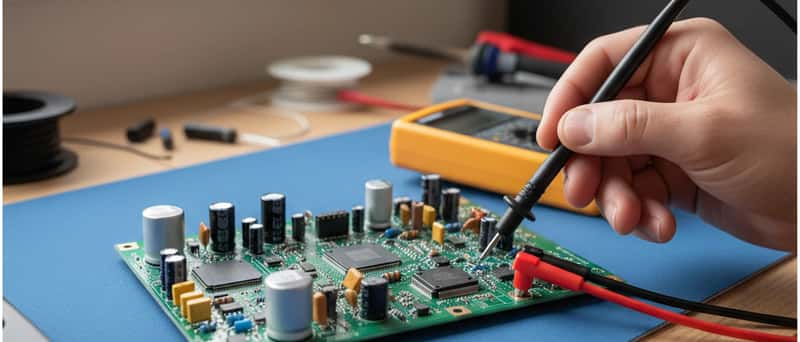
An electronics technician installs, tests, calibrates, and repairs electronic components and systems used across commercial, industrial, and residential settings. The role requires interpreting technical schematics, using diagnostic instruments such as oscilloscopes and multimeters, and applying soldering and rework techniques to component-level faults.
In the UK, electronics technicians work in sectors including telecommunications, aerospace, automotive manufacturing, medical devices, and consumer electronics. The Institution of Engineering and Technology (IET) estimates that engineering and technology businesses contribute over £645 billion to the UK economy annually [IET, 2024]. A significant share of that output depends on technicians who keep equipment running.
Common tasks include:
- Fault diagnosis — identifying failing components through signal testing and visual inspection.
- Preventive maintenance — scheduled checks on industrial control systems, fire alarm panels, or HVAC electronics.
- System installation — wiring, configuring, and commissioning new electronic equipment.
- Calibration — ensuring instruments and sensors meet manufacturer specifications.
Key point: Electronics technicians bridge the gap between design engineering and everyday equipment operation, making them essential for any business reliant on electronic systems.
Which Qualifications Should a UK Electronics Technician Hold?
Recognised qualifications provide assurance that a technician can work safely and competently. In the United Kingdom, the standard pathway begins with a Level 3 BTEC or City & Guilds diploma in Electrical and Electronic Engineering, often followed by a Higher National Certificate (HNC) or Higher National Diploma (HND).
The Engineering Council maintains the UK Standard for Professional Engineering Competence (UK-SPEC), which defines three professional registration tiers: Engineering Technician (EngTech), Incorporated Engineer (IEng), and Chartered Engineer (CEng) [Engineering Council, 2024]. For most repair and maintenance tasks, EngTech registration through a licensed institution such as the IET confirms that the technician meets nationally recognised competence standards.
| Qualification | Level | Typical Duration | Suited For |
|---|---|---|---|
| City & Guilds Level 3 | Further education | 2 years | Entry-level bench work |
| BTEC HNC/HND | Higher education | 1–2 years | Supervisory and design-adjacent roles |
| EngTech (Engineering Council) | Professional registration | Ongoing CPD | Independent diagnostic work |
| IEng / CEng | Professional registration | Ongoing CPD | Complex systems and project leadership |
Key takeaway: Always ask for proof of registration or relevant Level 3+ certification before commissioning repair work. Professional registration through the Engineering Council is the strongest quality signal in the UK market.
How Much Do Electronics Repair Services Cost in the UK?
Repair costs vary significantly depending on the complexity of the fault, the type of equipment, and whether specialist parts are needed. A consumer electronics repair — such as fixing a television backlight or replacing a laptop charging circuit — typically costs between £50 and £150 for labour alone. Industrial and commercial repairs involving programmable logic controllers (PLCs), motor drives, or safety-critical systems often start at £75 per hour.
Most reputable technicians provide a diagnostic fee — usually £30 to £60 — which is deducted from the final invoice if the repair proceeds. Emergency call-outs for critical industrial equipment can attract a premium of 50–100% above standard hourly rates, especially outside normal working hours.
« A detailed diagnostic report before any repair begins is the hallmark of a professional technician. If someone quotes without inspecting, consider it a red flag. » — James Hartwell, IET-registered electronics engineer, Birmingham
When Should You Call an Electronics Technician?
Not every electronics issue warrants professional intervention, but certain warning signs indicate that a qualified technician is essential. Attempting DIY repairs on mains-powered equipment or safety-critical systems without proper training risks electric shock, further damage, and potential liability.
Call a professional electronics technician when:
- Equipment displays intermittent faults — random shutdowns, flickering displays, or inconsistent output often point to component-level failures that require oscilloscope diagnosis.
- Burning smells or visible damage to circuit boards — charred components or swollen capacitors indicate thermal failure that may affect adjacent circuits.
- Calibration certificates have expired — regulated industries such as healthcare and food processing require periodic recalibration of electronic instruments by qualified personnel.
- Warranty-sensitive equipment needs repair — unauthorised intervention can void manufacturer warranties; a registered technician documents work to standard.
The Health and Safety Executive (HSE) reports that electrical faults cause around 2,000 fires in UK workplaces each year [HSE, 2023]. Early professional diagnosis of electronic faults is a cost-effective form of prevention.
Consider the case of Sarah, a bakery owner in Leeds. Her commercial oven's electronic control board began displaying error codes intermittently. After two weeks of ignoring the issue, the board failed completely during a peak production day, costing her an estimated £1,200 in lost orders. A diagnostic visit from a qualified electronics technician would have cost £60 and likely prevented the full failure.
Key takeaway: When equipment reliability or personal safety is at stake, professional diagnosis is cheaper than the cost of failure.
How Can You Find a Reliable Electronics Technician Online?

Finding a vetted electronics technician through an online expert marketplace removes much of the guesswork involved in traditional search. Platforms like Expert Zoom connect users directly with qualified professionals, allowing them to describe a fault, attach photos or documents, and receive targeted advice before committing to an on-site visit.
Steps to find the right technician online:
- Describe the problem clearly — include the equipment make, model, and specific symptoms (error codes, unusual sounds, failure conditions).
- Attach supporting files — photographs of the faulty component, scanned schematics, or previous repair reports accelerate diagnosis.
- Verify credentials — check for EngTech registration, relevant City & Guilds qualifications, and professional indemnity insurance.
- Request a diagnostic quote — a professional will provide an estimated cost range before commencing work.
- Compare responses — an expert marketplace lets you evaluate multiple technicians by experience, specialisation, and response time.
Online consultation is particularly useful for remote diagnosis. Many electronic faults can be narrowed down through guided testing (multimeter readings, visual inspection) before a technician visits in person. This hybrid approach reduces call-out costs and accelerates resolution.
Find a qualified electronics technician on Expert Zoom
FAQ
How long does a typical electronics repair take?
Most consumer electronics repairs — such as replacing a faulty capacitor, repairing a power supply, or resoldering joints — are completed within 24 to 72 hours once parts are available. Industrial equipment repairs involving custom PCBs or obsolete components may take one to two weeks, particularly if parts must be sourced from specialist distributors.
What is the difference between an electrician and an electronics technician?
An electrician works primarily with mains wiring, lighting, and power distribution systems. An electronics technician works at the component level on circuit boards, sensors, control systems, and signal-processing equipment. The two roles require different qualifications: electricians typically hold BS 7671 (IET Wiring Regulations) certification, while electronics technicians hold City & Guilds or BTEC qualifications in electronic engineering.
Can an electronics technician work on medical or aerospace equipment?
Technicians working on medical devices must comply with the Medicines and Healthcare products Regulatory Agency (MHRA) guidelines, and those in aerospace follow Civil Aviation Authority (CAA) approved maintenance procedures. These sectors require additional sector-specific training and certification beyond standard electronics qualifications.
Do electronics technicians offer warranties on repairs?
Reputable technicians provide a warranty of 30 to 90 days on parts and labour. Some offer extended warranties for industrial clients with service agreements. Always confirm warranty terms in writing before authorising work.
Disclaimer: The information on this page is provided for informational purposes only and does not constitute professional engineering advice. Consult a qualified electronics technician for your specific equipment or safety concern.