
A bookkeeper manages the day-to-day financial records that keep your business running smoothly. From tracking invoices to reconciling bank statements, a skilled bookkeeper saves the average UK small business owner 8 hours per week on financial admin [Federation of Small Businesses, 2024]. Whether you run a sole trader operation or a growing limited company, understanding what a bookkeeper does — and when to hire one — can be the difference between financial clarity and costly errors.
What Does a Bookkeeper Actually Do?
A bookkeeper is a financial professional who records and organises every transaction flowing through your business. Their core responsibilities include logging sales and purchase invoices, reconciling bank accounts, managing payroll entries, and preparing VAT returns for HMRC submission.
Unlike an accountant, who interprets financial data and provides strategic advice, a bookkeeper focuses on the accuracy and completeness of your financial records. The Institute of Certified Bookkeepers (ICB) defines the role as "the systematic recording and organising of financial transactions in a company." This distinction matters: hiring a bookkeeper for routine record-keeping typically costs £15-£35 per hour, compared to £50-£150 per hour for a chartered accountant [ACCA, 2024].
Modern bookkeepers also manage cloud accounting platforms like Xero, QuickBooks, and FreeAgent. They automate bank feeds, categorise transactions, and generate real-time reports that give you instant visibility into cash flow and profitability.
When Should You Hire a Bookkeeper?

Most UK small business owners start by managing their own books. The tipping point usually arrives when one or more of these signs appear:
- Monthly transactions exceed 50. Beyond this volume, manual tracking becomes error-prone and time-consuming.
- VAT registration. Once your taxable turnover passes £90,000, VAT compliance adds significant complexity [HMRC, 2024].
- Late filing penalties. HMRC issued over 800,000 late filing penalties in 2023 alone [HMRC Annual Report, 2023]. A bookkeeper ensures deadlines are met.
- Cash flow confusion. If you cannot tell at a glance whether your business is profitable this month, your records need professional attention.
"The best time to hire a bookkeeper is before you need one urgently," says Rachel Harris, ICB-certified bookkeeper with 15 years' experience in SME finance. "Cleaning up months of neglected records costs three times more than maintaining them properly from the start."
Sole traders, freelancers, and limited company directors all benefit from professional bookkeeping. The key question is not whether you need one, but whether the cost of doing it yourself — in time and mistakes — outweighs professional fees.
How Much Does a Bookkeeper Cost in the UK?
Bookkeeping fees vary based on business size, transaction volume, and service scope. Here are the current market rates across the UK.
Freelance bookkeepers working remotely offer the most affordable option for micro-businesses. A typical sole trader with 30-50 monthly transactions might pay £150-£250 per month. Limited companies with payroll, VAT, and higher volumes should expect £300-£600 monthly.
Fixed-fee packages are increasingly common. These bundle bank reconciliation, invoice processing, VAT returns, and monthly management reports into a predictable monthly cost. Always clarify what is included before signing — extras like payroll processing or year-end accounts preparation often carry additional charges.
Key takeaway: A freelance bookkeeper at £20-£30 per hour typically costs a small business £200-£400 monthly — far less than the cost of financial errors, missed VAT deadlines, or the 8+ hours per week spent doing it yourself.
How to Choose the Right Bookkeeper
Finding a qualified bookkeeper requires checking credentials, experience, and compatibility with your business. Follow these steps:
- Verify qualifications. Look for ICB (Institute of Certified Bookkeepers) or AAT (Association of Accounting Technicians) certification. Both organisations maintain public registers of qualified members.
- Check software expertise. Your bookkeeper should be proficient in the platform you use — or recommend one suited to your industry. Xero, QuickBooks, and Sage remain the most widely used in the UK [Accounting Web, 2024].
- Ask about industry experience. A bookkeeper familiar with your sector understands the specific tax rules, compliance requirements, and common transaction patterns that apply.
- Request references. Speak to at least two current clients of similar business size. Ask about accuracy, response times, and how the bookkeeper handles deadline pressure.
- Clarify communication. Agree on reporting frequency, preferred contact methods, and turnaround times for queries. The best working relationships rely on clear expectations from day one.
Professional indemnity insurance is non-negotiable. Any bookkeeper handling your financial data should carry adequate cover — the ICB recommends a minimum of £50,000 for small practices.
Bookkeeper vs Accountant: Which Do You Need?
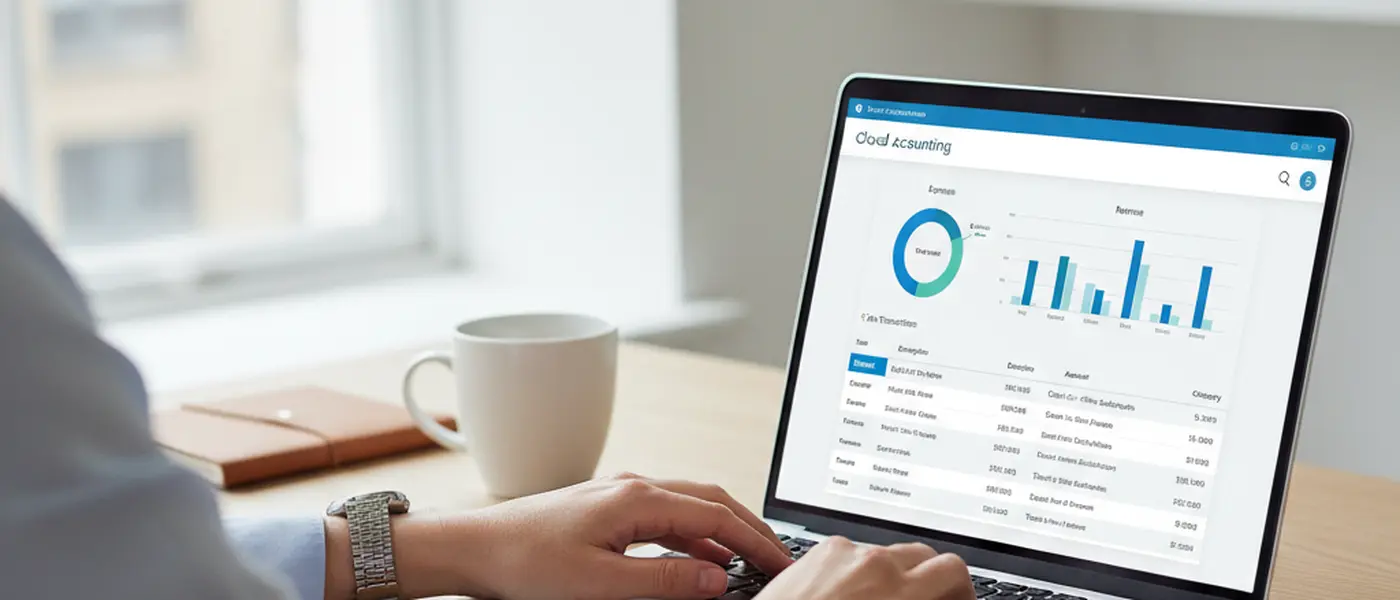
The distinction between a bookkeeper and an accountant is practical, not just theoretical. Understanding it prevents you from overpaying for routine tasks or under-investing in strategic advice.
A bookkeeper handles the recording side: entering transactions, reconciling accounts, processing invoices, and preparing VAT returns. An accountant handles the interpretation side: preparing annual accounts, filing corporation tax returns, advising on tax planning, and conducting audits.
| Task | Bookkeeper | Accountant |
|---|---|---|
| Daily transaction recording | Yes | No |
| Bank reconciliation | Yes | No |
| VAT returns | Yes | Yes |
| Annual accounts | No | Yes |
| Corporation tax filing | No | Yes |
| Tax planning advice | No | Yes |
| Payroll processing | Yes | Sometimes |
| Management reports | Yes | Yes |
Many small businesses benefit from both: a bookkeeper maintaining records throughout the year, and an accountant reviewing them at year-end. This combination keeps costs down while ensuring compliance and strategic oversight. According to the Association of Chartered Certified Accountants, 72% of UK small businesses that use both professionals report higher confidence in their financial decisions.
Frequently Asked Questions About Bookkeepers
Do I need a qualified bookkeeper by law?
No UK law requires bookkeepers to hold formal qualifications. However, all UK businesses must maintain "adequate accounting records" under the Companies Act 2006, Section 386. Hiring an ICB or AAT-qualified bookkeeper is the most reliable way to meet this obligation.
Can a bookkeeper do my tax return?
A bookkeeper prepares the records your accountant uses to file tax returns. Some senior bookkeepers hold additional qualifications allowing them to file Self Assessment returns, but corporation tax returns and complex tax planning should always involve a chartered accountant.
How often should a bookkeeper update my records?
Weekly or fortnightly updates are ideal for businesses with regular transactions. Monthly reconciliation is the minimum recommended frequency. Leaving records for longer than a month increases the risk of errors, missing receipts, and cashflow blind spots.
What qualifications should a UK bookkeeper have?
The two main professional bodies are the Institute of Certified Bookkeepers (ICB) and the Association of Accounting Technicians (AAT). ICB membership requires passing Level 2 and Level 3 bookkeeping qualifications. AAT offers a Foundation Certificate in Bookkeeping. Both provide ongoing CPD requirements and professional standards.
Disclaimer: The information on this page is provided for informational purposes only and does not constitute financial or accounting advice. Consult a qualified bookkeeper or accountant for guidance specific to your business situation.