 Chloe Harris
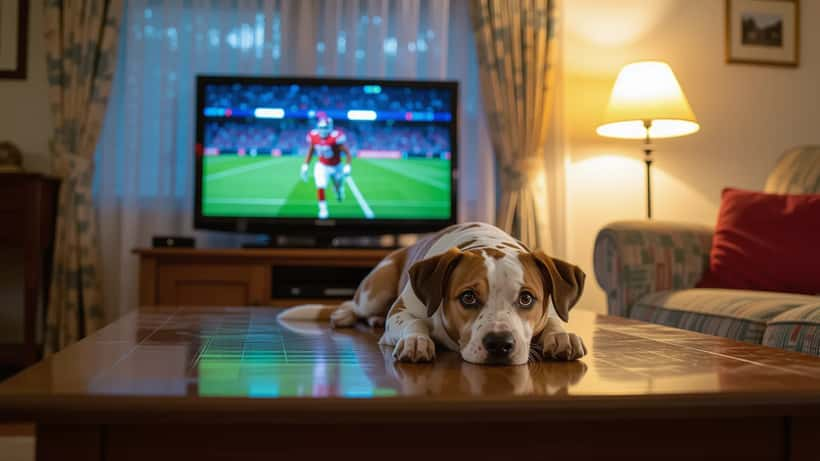
As Australian fans set alarms for the World Cup 2026 semi-finals on 14 July 2026, veterinarians are warning that the household members most rattled by the pre-dawn roars, screamed goals and impromptu backyard fireworks will be the family dog and cat. Across the country, millions of pets will be woken by sudden bursts of noise at hours when the street is otherwise silent — and vets say the panic that follows is far more common, and far more treatable, than most owners realise.
Why the semi-finals are a problem for pets
The maths is simple. Australia is home to roughly 6.38 million dogs, and dogs live in about 48% of households, according to Animal Medicines Australia's national pet survey. When a nation of fans erupts at once — screaming at a penalty, setting off a firecracker, banging on the coffee table at 5am — a huge share of those animals are exposed to exactly the kind of sudden, unpredictable noise they are least equipped to handle.
Noise aversion is not a fringe issue. Published estimates put the prevalence of noise-related fear in the general dog population somewhere between 17% and 50%, and researchers note that roughly half of all dogs develop a noise phobia serious enough to warrant intervention by middle age. A 2024 survey of dog owners in the Greater Sydney area, published in the Australian Veterinary Journal, found firework-associated fear to be widespread and frequently under-managed, with many owners unaware that treatment options even exist.
The difference between New Year's Eve and a World Cup semi-final is timing and surprise. Owners plan for fireworks nights. Nobody plans for a 4:30am scream when a striker rounds the keeper.
What noise panic actually looks like
Vets stress that fear does not always look dramatic. Obvious signs include shaking, drooling, pacing, hiding, trying to escape through doors or fences, and destructive chewing. But quieter signals — a dog that suddenly clings to you, refuses food, flattens its ears, or freezes in a corner — matter just as much.
Escape attempts are the real danger. A frightened dog that bolts from a yard during a burst of celebration can end up on a road, and cats will often disappear for days. That is why animal shelters consistently report spikes in lost pets after high-noise events.
The expert angle: this is a veterinary conversation, not a hardware-store fix
Here is the point most fans miss: noise phobia is a recognised clinical condition, and it responds to proper treatment. The RSPCA advises that if you know your animal is fearful of loud noises, you should speak to your veterinarian well before the event rather than waiting for the panic to hit (RSPCA Australia knowledgebase).
A veterinarian can do three things a well-meaning owner cannot. First, rule out pain or illness that can worsen anxiety. Second, design a desensitisation and counter-conditioning plan — gradually teaching the animal that noise predicts something good rather than something threatening. Third, where the fear is severe, prescribe modern anti-anxiety medication that is far safer and more effective than the old sedatives, which merely immobilised a terrified animal without calming it.
Timing matters. Behavioural desensitisation takes weeks, and some medications need to be trialled before the night they are needed. With the semi-finals on 14 July and a potential final to follow, an owner who books a consultation now still has a window; one who waits until match morning does not.
What Australian owners should do before kick-off
Vets and welfare bodies broadly agree on the practical steps for the days ahead:
- Create a safe den. Set up an interior room away from windows, with the pet's bed, familiar bedding and a piece of your clothing. Close curtains to muffle both sound and the flash of any fireworks.
- Mask the peaks. Background noise — a fan, white noise, or the television at a steady volume — softens the shock of a sudden roar. Counter-intuitively, watching the match at a constant volume can be gentler on a dog than a silent house punctuated by screams.
- Secure the exits. Check gates, fences and flyscreens now. Make sure microchip details are current and your pet is wearing an ID tag, so a bolter can be reunited quickly.
- Stay calm yourself. Punishing or over-comforting a frightened dog can reinforce the fear. Behave normally and reward calm behaviour.
- Do not medicate on your own. Human sedatives and over-the-counter remedies can be dangerous for animals. Any medication should come from your vet.
For owners who have already noticed distress on New Year's Eve or during summer storms, the semi-finals are a useful early warning — and a reason to act now rather than next December.
The bigger picture
Australia's love of the round-ball game has grown sharply, and a home nation of night-owl fans means more noise, more often, at odder hours than a single fireworks night. That makes noise phobia a year-round welfare question, not a once-a-year one. The encouraging news is that it is one of the most treatable behavioural problems in companion animals — provided owners recognise it as a medical issue and reach for a professional rather than a pair of earmuffs.
If your pet has a history of panic around loud noise, the smartest move before the whistle blows is to book a veterinary consultation. A short conversation now can spare your animal a genuinely frightening night — and spare you a frantic pre-dawn search of the neighbourhood.
This article is general information only and is not a substitute for individual veterinary advice. If your pet shows signs of severe distress, contact your veterinarian.
