 Theo Manning
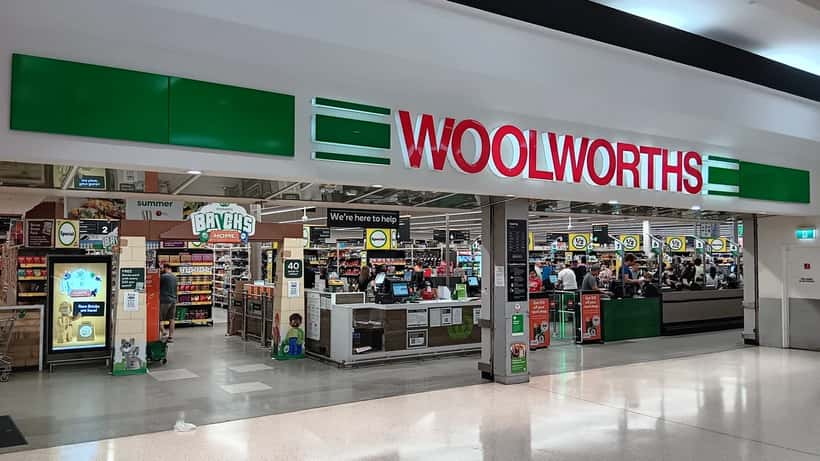
The Australian Competition and Consumer Commission has taken Woolworths to the Federal Court over 266 products allegedly sold with fake discounts across 20 months — and the case, still unfolding in April 2026, is reshaping how Australians understand their rights at the checkout.
What the ACCC Alleges
The consumer watchdog alleges that Woolworths temporarily raised prices on hundreds of everyday products before applying "Prices Dropped" promotional stickers — making it appear shoppers were getting a deal when prices were still higher than before the artificial hike.
According to the ACCC, this conduct affected 266 products across Woolworths stores over a period of 20 months. The regulator argues this breached the Australian Consumer Law by misleading consumers into believing they were getting genuine savings.
A parallel case against Coles — involving 245 products under its "Down Down" campaign — is proceeding simultaneously. Federal Court proceedings began in early 2026, with ACCC lawyers arguing that Coles' explanations for the price behaviour were irrelevant to the core deception claim.
The ACCC has been emphatic: "This conduct will be enforced." The watchdog is seeking substantial penalties against both supermarket chains, though the Federal Court has not yet determined the exact sums.
Why This Matters to Every Australian Shopper
Australia's two dominant supermarkets — Woolworths and Coles — together control roughly 65% of the national grocery market, according to data from the Australian Bureau of Statistics. That market concentration means pricing behaviour by these chains has an outsized effect on household budgets across the country.
The ACCC's case isn't just about a few items. At stake is whether Australia's largest retailers can systematically manufacture the appearance of discounts without consequences. If the Federal Court finds in favour of the ACCC, it would set a binding precedent for how supermarkets communicate promotional pricing — and open the door to broader consumer remedies.
For the average family spending $200 or more per week at the supermarket, being misled about discounts across 266 product lines over nearly two years represents real money. Legal experts have noted the case also raises questions about whether affected consumers could pursue individual remedies under the Australian Consumer Law.
Your Rights as a Consumer Under Australian Law
The Australian Consumer Law gives shoppers a suite of protections that many people don't fully use. Under the ACL, businesses cannot engage in misleading or deceptive conduct in trade or commerce — and this applies to pricing representations just as much as product claims.
If a retailer advertises a price as "discounted" or "reduced," the original price must be genuine. Artificially inflating a price before discounting it — the exact behaviour alleged against Woolworths — is the kind of conduct the ACL was designed to prevent.
What can you do if you believe you've been misled?
- Report to the ACCC: Consumers can lodge complaints directly at accc.gov.au. These reports help the regulator identify patterns and build cases like the current one.
- Seek a refund: If you purchased a product under a false pricing representation, you may have grounds to seek a refund under the ACL — regardless of the outcome of the ACCC's case.
- Document purchases: Keeping receipts, photos of in-store promotions, and price comparison records strengthens any individual complaint.
- Consult a consumer law expert: Class action possibilities, individual claims, and compensation remedies under the ACL can be complex. Speaking to a qualified lawyer who specialises in consumer law helps you understand what remedies apply to your specific situation.
The Broader Shift in Australian Consumer Protection
The Woolworths-ACCC case is part of a broader moment of reckoning for supermarket pricing in Australia. A Senate inquiry into supermarket pricing practices in 2024-2025 put significant pressure on government regulators to act. The ACCC's decision to pursue Federal Court proceedings — rather than accepting enforceable undertakings — signals the watchdog is taking a harder line on major retailers.
Consumer advocates have welcomed the shift. The case sends a message to all retailers: pricing representations must be honest, and companies that mislead shoppers face serious legal consequences.
For Australians navigating this environment, the message from the ACCC's own data is clear: do not assume that a promotional label means a genuine deal. Cross-checking advertised prices against price history trackers and keeping receipts has never been more important.
What Happens Next
The Federal Court proceedings against both Woolworths and Coles are expected to continue through 2026. A finding of liability could result in substantial financial penalties and mandatory changes to how the supermarkets communicate promotional pricing.
If penalties are ordered, the ACCC has the power to seek that some or all of the funds be directed toward consumer education or remediation programs — though that remains at the court's discretion.
For Australian consumers, the immediate takeaway is practical: you have rights, and those rights are being actively enforced on your behalf. But knowing your rights and knowing how to exercise them are two different things.
A consumer lawyer can assess your specific circumstances — whether you've been affected by misleading pricing, have grounds for a complaint, or want to understand what the ACCC case means for your household. Expert Zoom connects Australians with experienced legal professionals who specialise in consumer protection law, helping you navigate your options without delay.
Note: This article provides general information about ongoing legal proceedings and Australian Consumer Law. It does not constitute legal advice. For advice specific to your situation, consult a qualified consumer law solicitor.
