 Emily Watson
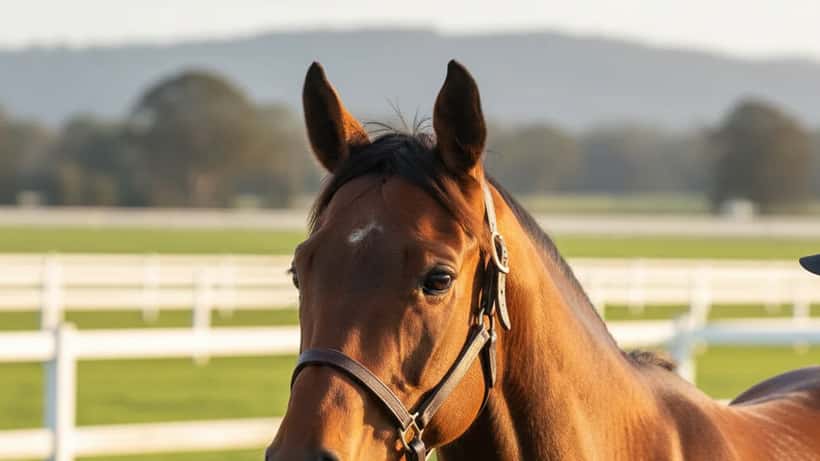
Quinceanera, the daughter of Australia's greatest racehorse Winx and the most expensive thoroughbred filly ever sold in this country, is in training with champion trainer Chris Waller — and Australians are watching closely. The filly, purchased for a record AUD $10 million at the 2024 Inglis Easter Sale, is now making headlines again in April 2026.
Who Is Quinceanera?
Quinceanera is Winx's first foal, sired by champion stallion Pierro. She was purchased by Winx's part-owner Debbie Kepitis under her Woppitt Bloodstock banner and placed immediately in work with Winx's long-time trainer, Chris Waller. The name comes from the Latin American quinceañera tradition — the celebration of a girl's 15th birthday and her transition into womanhood.
The filly carries one of the most sought-after genetic combinations in Australian thoroughbred racing. Her mother Winx retired in April 2019 with 33 consecutive wins, four Cox Plate victories, and a World Thoroughbred Rankings peak of 130 — a score that placed her among the greatest racehorses in history. Her sire Pierro is a Group 1 winner with exceptional progeny across Australia and internationally.
What Veterinarians Look for in Champion Bloodlines
For sport horse veterinarians and equine specialists, the emergence of Quinceanera in training raises fascinating clinical and performance questions. When a foal of this genetic calibre enters preparation, the veterinary team's work is intense and highly systematic.
Musculoskeletal screening. Champions like Winx were built with exceptional biomechanical efficiency — their joint angles, bone density, and soft tissue elasticity combine to absorb enormous forces at high speed. Veterinarians use radiography and ultrasound from the early stages of training to establish baseline musculoskeletal profiles. Any deviation from normal can be addressed early, before it becomes a career-threatening issue.
Cardiac assessment. Heart size is one of the most reliably heritable traits in thoroughbreds. Winx famously carried the "x-factor" — an enlarged left ventricle attributed to an X-chromosome-linked gene — which is credited as one reason for her exceptional aerobic capacity. Echocardiography in young horses can identify inherited cardiac advantages and flag any structural abnormalities before training intensity increases.
Respiratory function. Horses are obligate nasal breathers, and even minor upper airway issues can limit performance significantly. Endoscopic examination — particularly dynamic scoping on a treadmill — reveals conditions like laryngeal hemiplegia (roaring) or soft palate displacement that would otherwise remain hidden at rest.
Nutrition and bone development. The period from weaning to first training is critical for bone mineralisation. Veterinary nutritionists and equine specialists work together to ensure calcium-phosphorus ratios, vitamin D levels, and energy intake support healthy growth without accelerating skeletal maturation beyond what the joints can tolerate.
The Pressure on High-Value Horses
A $10 million price tag creates a unique set of pressures. Owners and trainers face enormous financial and emotional investment, which can sometimes accelerate training timelines beyond what is physiologically ideal. This is where an independent equine veterinarian — one without a commercial relationship to the stable or sale company — provides irreplaceable objective oversight.
In Australia, the Australian Veterinary Association's equine chapter guidelines recommend that thoroughbreds in early training receive regular health assessments at 6–8 week intervals. For elite prospects like Quinceanera, these assessments often occur fortnightly or even weekly as preparation for a first race start approaches.
When Should You Consult a Vet for Your Horse?
You do not need a $10 million filly to benefit from expert veterinary advice. Whether you own a pleasure horse in the Hunter Valley, a polo pony on the Mornington Peninsula, or a competition jumper in the Adelaide Hills, regular veterinary assessments protect your animal's welfare and your investment.
Signs that warrant immediate veterinary attention include:
- Altered gait or unexplained lameness
- Changes in breathing pattern during or after exercise
- Significant weight loss or gain over a short period
- Behavioural changes, especially reluctance to work
- Heat, swelling, or pain around joints or tendons
On ExpertZoom, you can connect with qualified equine veterinarians across Australia who offer both in-clinic consultations and on-farm visits. Whether you need a pre-purchase examination for a new horse, a second opinion on an existing diagnosis, or ongoing health management for a competition horse, expert advice makes a measurable difference.
The Bigger Picture
Quinceanera's entry into training is more than a racing story — it is a reminder of the extraordinary science and care that goes into producing elite equine athletes. Behind every champion thoroughbred is a team of skilled veterinarians, nutritionists, farriers, and physiotherapists whose combined expertise shapes the horse's capacity to perform.
According to Racing Australia, the thoroughbred industry contributes approximately AUD $9 billion to the national economy each year and supports over 80,000 jobs directly and indirectly. The welfare standards underpinning this industry depend on the knowledge and judgement of qualified veterinary professionals at every stage.
As Quinceanera begins the journey her mother defined, Australian racing — and the veterinary profession that supports it — is watching carefully. The science of champion horses begins long before they reach the track.
