 Olivia Taylor
Wilcannia Multi-Purpose Service — the sole health facility in a remote NSW town of around 600 people — reduced its after-hours emergency care hours in February 2026 due to critical staffing shortages. The decision, confirmed by NSW Health, left residents of one of Australia's most disadvantaged communities with limited overnight medical cover and exposed a structural crisis affecting rural health services across the country.
What Happened in Wilcannia
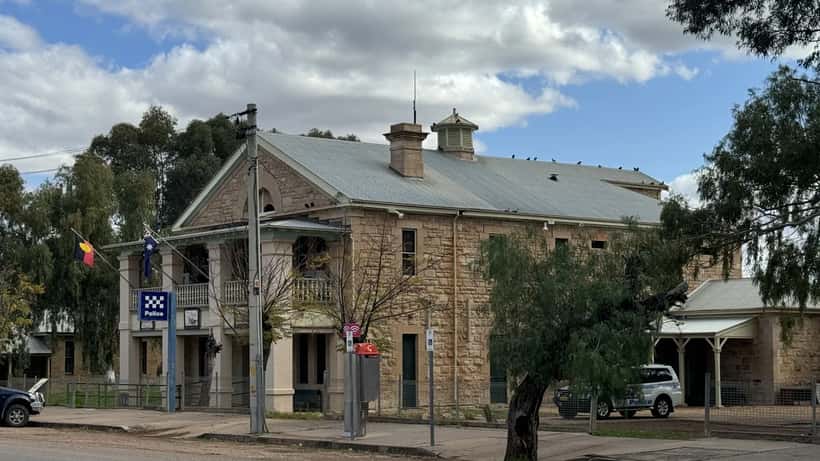
Wilcannia is located 195 kilometres east of Broken Hill in the far west of New South Wales, on Barkindji country. The town's Multi-Purpose Service — a combined hospital, aged care, and health facility — operates as the only medical provider for a vast surrounding region.
In February 2026, following extended difficulty recruiting and retaining nursing and medical staff, NSW Health confirmed that after-hours emergency care at the facility would be reduced. Patients requiring urgent care outside of standard hours face the prospect of an ambulance journey to Broken Hill — a distance of nearly two hours — or a Royal Flying Doctor Service evacuation in more serious cases.
The Broken Hill Times reported the development in late February, with local community members and health advocates expressing alarm at the implications for elderly residents, children, and people with chronic conditions living in the surrounding area.
The Scale of Australia's Rural Health Deficit
Wilcannia's situation is not an isolated case. It is a concentrated expression of a nationwide pattern.
According to data from the Australian Institute of Health and Welfare, people living in remote and very remote areas of Australia die at significantly higher rates from conditions that are preventable or treatable with timely medical care. Life expectancy in remote communities is measurably shorter than in major cities. The gap is not primarily explained by lifestyle factors — it is substantially driven by access to care.
Australia has approximately 7 million people living outside major cities. Around 600,000 live in remote or very remote communities. For this population, the distance to a specialist, an emergency department, or even a bulk-billing GP is not measured in minutes but in hours. A chest pain at 2am in Wilcannia is a fundamentally different medical emergency than a chest pain at 2am in Sydney.
Why Rural Staffing Shortages Persist
The root cause of rural health workforce shortages is structural. Medical graduates from Australian universities disproportionately settle in major cities, where specialist training pathways, career opportunities, family considerations, and quality of life factors are concentrated.
Rural and remote hospitals compete for staff against metropolitan hospitals that can offer higher pay (through allowances and private billing opportunities), more collegial environments, access to continuing professional development, and proximity to tertiary training.
The shortage is most acute at the nursing level. Rural hospitals typically pay the same award rates as metropolitan equivalents, but ask nurses to work more independently, often without specialist backup, in facilities with fewer resources. Recruitment from overseas is possible but constrained by visa timelines and registration requirements that can take 12 to 18 months to navigate.
The Australian College of Rural and Remote Medicine has documented the specific challenges of rural generalist practice — a model designed to train doctors with broad clinical skills suited to remote settings. According to ACRRM's framework for rural generalism, a rural generalist must be competent in emergency medicine, anaesthetics, obstetrics, and a range of procedural skills that urban GPs rarely need. Training and retaining this workforce requires sustained investment that has historically been inconsistent.
What This Means for Patients and Families
For Australians living in rural and remote areas, the practical implications of reduced local health services are significant.
Emergency preparedness: Families in remote communities should maintain basic first aid competency and a well-stocked first aid kit. In a situation where the nearest emergency department is two hours away, the ability to stabilise a patient pending transport is genuinely life-saving.
Telehealth: The expansion of Medicare-funded telehealth services since 2020 has been one of the most meaningful improvements in rural health access in decades. For non-emergency consultations, telehealth allows patients to consult GPs, specialists, and mental health professionals without travel. It does not replace emergency care but reduces the burden on facilities by managing routine needs remotely.
Health advocacy: Residents affected by reductions in local services have legal and administrative rights to engage with NSW Health and the relevant Primary Health Network. The process can be slow, but communities that document and formally lodge concerns are more likely to see resource allocation reviewed.
Advance care planning: For elderly residents and those with chronic conditions in remote areas, advance care planning — documenting medical wishes and appointing a medical decision-maker — is particularly important given the logistics of emergency transfer. A solicitor or GP can assist with these documents.
What Should Change
Sustainable solutions to the Wilcannia situation and its equivalents across the country require federal and state co-investment in recruitment incentives, bonded scholarships for rural-origin medical students, purpose-built training pathways, and competitive retention packages.
Short-term workforce solutions — fly-in fly-out locum arrangements, for instance — are expensive and fail to build the community relationships that underpin good rural healthcare. What Wilcannia needs, and what hundreds of similar communities need, is continuity: doctors and nurses who know their patients, understand the local context, and choose to stay.
Until that workforce investment materialises, remote communities bear the consequences. Tonight's reduction in after-hours cover in Wilcannia is not an administrative technicality. For the people who live there, it is a gap in the safety net that should not exist.
Disclaimer: This article provides general health information only. In an emergency, call 000. For health advice, consult your GP or use the healthdirect service on 1800 022 222.
