 Emily Turner
The 22-Year-Old Carrying the Spurs to Game 7 — With a Blood Clot History That Changed Everything
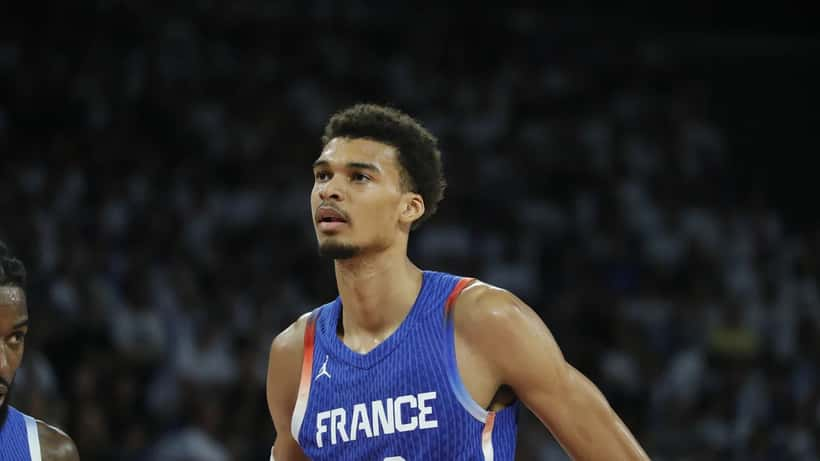
Victor Wembanyama stepped onto the court for Game 6 of the Western Conference Finals on 29 May 2026, willing the San Antonio Spurs to a hard-fought win over the Oklahoma City Thunder. Game 7 is now set. What makes it remarkable is not only his performance — 25.0 points, 11.1 rebounds and 3.1 blocks per game this season — but what he survived to get here.
Less than a year ago, Wembanyama's career was on hold after a deep vein thrombosis (DVT) diagnosis in his right shoulder ended his 2024-25 NBA season after just 46 games. He underwent surgery to clear the blood clot, returned fully cleared, and has since driven one of sport's most stunning comebacks. But his story carries a warning every active Australian — athlete or not — should hear.
What Is Deep Vein Thrombosis, and Why Does It Hit Athletes?
DVT is a blood clot that forms in a deep vein, most commonly in the legs but also, as Wembanyama's case showed, in other areas including the shoulder. For elite athletes, the risk factors are counterintuitive: height, repeated trauma, prolonged travel (cross-country flights for away games), dehydration during training, and compression from muscle mass can all contribute to clot formation.
According to Healthdirect Australia, symptoms include swelling in one limb, a warm or red patch of skin near the affected area, and pain or tenderness that feels like cramping. The danger is that DVT can lead to pulmonary embolism — a clot reaching the lungs — which is life-threatening without rapid intervention.
Wembanyama is 222 cm tall and weighs 110 kg. His body places unusual demands on circulation. Yet DVT does not discriminate by fitness level. Weekend runners, gym regulars, and Australians who sit for long periods on planes or at desks face similar risks.
5 Warning Signs Active Australians Should Never Ignore
Sports medicine specialists consistently highlight five red flags that demand same-day medical assessment:
- Unexplained swelling in one leg or arm — especially if it appears suddenly after sport or a long flight
- Redness or warmth in a limb — not from sunburn or a topical injury, but from within
- Pain that feels like a deep muscle cramp — particularly in the calf, which does not ease with stretching
- Shortness of breath or chest pain after exercise — this may indicate a clot has reached the lungs
- Persistent fatigue and reduced performance — in athletes, DVT often presents as a sudden, unexplained dip in endurance
Wembanyama reportedly experienced symptoms including shoulder discomfort and reduced performance before his diagnosis. He had also returned from a demanding international schedule with Metropolitans 92 in France. Travel-related clot risk is well-documented: every two hours in a seated position increases venous stasis.
The Hidden Burden on Young Australian Athletes
Australia has one of the highest participation rates in organised sport in the OECD, with more than 14 million Australians engaged in some form of physical activity each week. But access to sports medicine support is uneven. Elite athletes at AFL clubs, NRL academies, and Olympic programmes receive regular cardiovascular screening. Community-level players — teenagers in weekend football competitions, adult recreational swimmers, masters-level cyclists — often do not.
A GP is the first port of call for most Australians with a physical complaint. But a sports medicine physician brings a different lens: understanding training loads, travel patterns, muscle physiology, and the risk profile of specific sports. When a 22-year-old superstar like Wembanyama needed answers, the Spurs' medical team had specialised resources immediately. When an amateur athlete in suburban Sydney or Brisbane experiences similar symptoms, the pathway to the right specialist is less clear.
When to See a Sports Medicine Specialist vs. a GP
The distinction matters. GPs are trained to identify and refer DVT — a D-dimer blood test and ultrasound can confirm diagnosis within hours. However, a sports medicine physician or vascular specialist can also assess your training load, identify biomechanical risk factors, and work with you on a safe return-to-sport plan if you are diagnosed.
If you suspect DVT, go to an emergency department immediately. Do not try to "walk it off" or wait for a routine appointment. Speed is everything: a clot identified and treated within 24 hours carries a far better prognosis than one allowed to develop over days.
Once stable, an ExpertZoom sports medicine specialist can assist with long-term management — anticoagulation monitoring, graduated return to training, and screening for underlying clotting disorders that may have contributed to the event.
Wembanyama's Comeback and What It Tells Us
His return from DVT is not just an inspiring sports story. It is a carefully managed medical process. He was cleared for full basketball activity only after surgical intervention, anticoagulation therapy, and extensive monitoring. He played Game 6 of the WCF on schedule. He will play Game 7.
That outcome is not guaranteed for everyone — but it is far more likely when DVT is caught early, treated aggressively, and followed by professional sports medicine support. His story is a reminder that the body can recover from serious vascular events, but only when the warning signs are taken seriously.
For Australian athletes at any level: if something feels wrong, act now. The courts and the fields will still be there after you get checked.
YMYL disclaimer: This article provides general health information only. If you experience symptoms of deep vein thrombosis — including sudden limb swelling, pain, warmth, or shortness of breath — seek emergency medical care immediately. Do not delay treatment to consult a specialist.
For further reading on DVT symptoms and risk factors, visit Healthdirect Australia, Australia's national health information service.
If you are an active Australian who trains regularly or travels frequently for sport, consulting a sports medicine specialist on ExpertZoom is a proactive step worth taking — before symptoms appear, not after.
Related: Harrison Barnes at 33 and the WCF: The Sports Medicine Lessons for Recreational Ballers
