 Jess Johnson
On 14 April 2026, Australian airports recorded 418 flight disruptions in a single day — with Virgin Australia, Qantas, and Jetstar all caught in the chaos. Sydney alone faced 245 delays and 12 cancellations, leaving thousands of travellers stranded, rerouted, or out of pocket. If you were one of them, a legal expert can help you understand exactly what you're owed.
What Happened on 14 April 2026?
The disruptions were triggered by a combination of a domestic fuel supply crisis and the ongoing closure of Middle Eastern airspace following US–Iran tensions that escalated in February 2026. The knock-on effects reached Australian carriers rapidly.
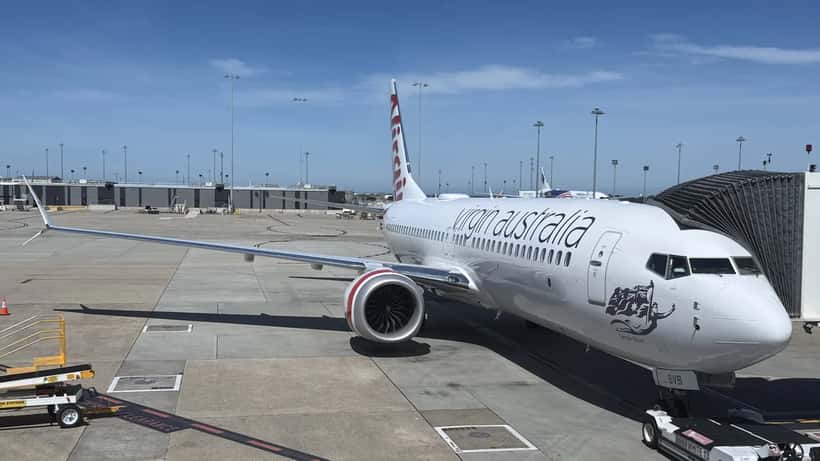
Virgin Australia recorded more than 100 delays and at least 1 cancellation on the day, according to data reported by Travel and Tour World. The airline's Doha-bound services — operated in partnership with Qatar Airways — were suspended until at least mid-June 2026, leaving affected international passengers scrambling for alternatives. Virgin offered rebooking and refunds on impacted routes, but the process left many customers confused about their entitlements.
Sydney Airport was the epicentre, but Melbourne, Brisbane, and Perth also experienced significant disruption, affecting both domestic and international routes across multiple carriers.
What Are Your Rights When a Flight Is Cancelled or Delayed?
Under Australian Consumer Law (ACL), passengers have stronger protections than many realise. The key question is why the disruption occurred — airlines classify disruptions as either within or outside their control, and your entitlements differ depending on that classification.
If the disruption is within the airline's control (such as crew scheduling, technical faults, or commercial decisions like route suspensions), you are generally entitled to:
- A full refund to the original payment method, or rebooking on an alternative service
- In some cases, compensation for reasonable out-of-pocket expenses (meals, accommodation, ground transport) incurred as a direct result of the delay
If the disruption is classified as outside the airline's control (such as air traffic control decisions, weather events, or geopolitical airspace closures), airlines are under fewer legal obligations. However, they are still required to provide you with accurate information and to rebook you on the next available service at no extra cost.
The complexity arises when airlines use broad "extraordinary circumstances" language to deny claims that may actually be within their control. The fuel supply disruption, for example, could arguably be considered foreseeable — and a lawyer can help you challenge a refusal.
The Fine Print in Your Booking: Where Most Travellers Get Caught
Most passengers do not read the conditions of carriage before purchasing a flight. This document — which forms the legal contract between you and the airline — outlines the airline's obligations and your rights in exhaustive detail. Key clauses to look for:
- Rebooking policy: Are you entitled to rebook on a partner airline at no extra cost, or only on the original carrier's next available flight?
- Compensation exclusions: What does the airline define as "extraordinary circumstances"?
- Refund timeline: Airlines are required to process refunds within a reasonable time — typically 5–10 business days, though many take longer
According to the Australian Competition and Consumer Commission (ACCC), airlines must not misrepresent what you are entitled to when a flight is disrupted. If an airline tells you a refund is unavailable when it is legally required, this may constitute a breach of the ACL.
When Should You Contact a Lawyer?
Most flight disruption claims are resolved directly with the airline — but not always. You may benefit from legal advice if:
- The airline refuses a refund and cites extraordinary circumstances for a disruption you believe was foreseeable or within their control
- You incurred significant out-of-pocket expenses (missed connecting flights, prepaid hotel rooms, medical appointments) and the airline is refusing to cover them
- You were travelling for business and the disruption caused a financial loss that goes beyond the value of the ticket itself
- You are in a protracted rebooking dispute with an international itinerary involving multiple carriers
A consumer law solicitor — or a firm specialising in aviation and travel disputes — can review your correspondence with the airline, assess whether the carrier has breached its obligations under the ACL or the airline's own conditions of carriage, and advise on whether formal action (such as a complaint to the ACCC or a small claims tribunal application) is worthwhile.
What You Should Do Right Now
Whether you were directly affected on 14 April or are planning travel over the coming weeks while disruptions continue, here are the practical steps legal experts recommend:
- Document everything: Screenshot your booking confirmation, delay notifications, and any communication from the airline. Note exact times and flight numbers.
- Keep receipts: If you paid for meals, alternative transport, or accommodation due to a disruption, keep all receipts — these are the foundation of any out-of-pocket claim.
- Submit your claim in writing: Contact the airline via email, not just phone. Written records protect you if a dispute escalates.
- Know your timeline: The ACL does not specify a fixed limitation period for travel complaints, but acting promptly strengthens your position. Most airlines require claims within 21–90 days.
- Escalate if needed: If the airline's response is unsatisfactory, you can escalate to the Airline Customer Advocate (ACA), a free independent dispute resolution scheme for Australian domestic travellers.
The Broader Picture: Is This Becoming Normal?
The April 14 disruptions are not an isolated event. Australian aviation has experienced increasing turbulence in 2026, with geopolitical factors, supply chain pressures, and rising operational costs squeezing carriers. Travellers who understand their rights — and who know when to seek legal guidance — are significantly better positioned when things go wrong.
The 418 disruptions in a single day serve as a reminder: travel insurance and a basic understanding of consumer law are not optional extras. They are essential tools for any Australian heading to the airport.
If you believe your passenger rights were not upheld following recent flight disruptions, a legal expert at Expert Zoom can review your situation confidentially and help you determine the best course of action. Find a qualified consumer law solicitor through Expert Zoom's legal specialist directory or explore past flight disruption guidance for more context on your entitlements.
Disclaimer: This article is for general informational purposes only and does not constitute legal advice. For advice specific to your circumstances, consult a qualified legal professional.
