 Chloe Kennedy
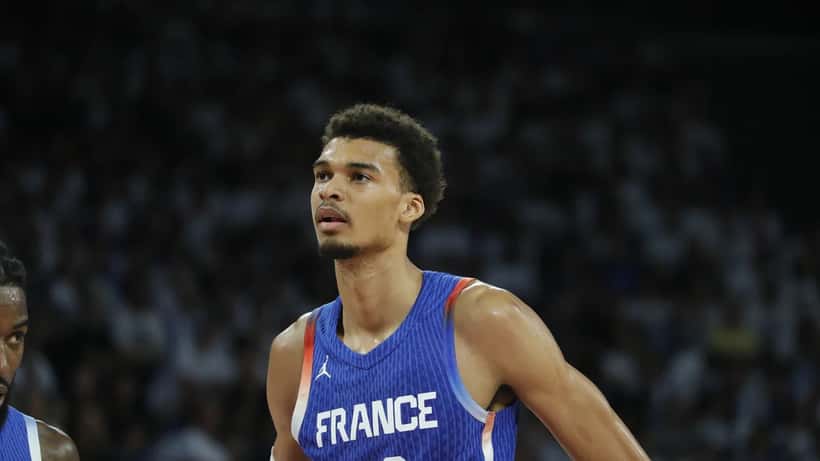
Victor Wembanyama, 22, has just become the first unanimous NBA Defensive Player of the Year in history — and he is about to sign a five-year, $271 million contract extension with the San Antonio Spurs. As the French basketball prodigy dominates the 2026 Western Conference Semifinals with 39-point performances, the financial reality behind his meteoric rise raises questions every aspiring Australian athlete should ask: when the millions arrive, are you ready?
The $271 Million Moment
Wembanyama's current contract pays him $13.4 million in the 2025-26 season, rising to $16.9 million in 2026-27. In the 2026 offseason, he becomes eligible for a supermax extension worth an estimated $271 million over five years — making him one of the highest-paid athletes in history at just 22 years old.
His off-court earnings are equally staggering. Endorsement deals with Nike, Louis Vuitton, and Fanatics — the latter reportedly worth $5 million per year — push his total annual income well beyond his NBA salary. According to analysts at EssentiallySports, Wembanyama's current net worth sits at approximately $10 million, with projections suggesting he could become "the next basketball billionaire."
For Australian NBA fans watching his playoff heroics in May 2026, the story behind the contract is as compelling as anything happening on the court.
Why Sudden Wealth Is a Different Problem
Every year, dozens of elite Australian athletes sign professional contracts worth hundreds of thousands — sometimes millions — of dollars. AFL rookies, NRL players signing development deals, and Boomers players earning overseas contracts all face the same challenge Wembanyama does: sudden, large income arriving at a young age, when most people have had little time to develop financial literacy.
Research from the NFL Players Association in the United States has found that approximately 78% of NFL players face serious financial stress within two years of retiring — despite earning average annual salaries over $2 million. Similar patterns emerge in the AFL and NRL. The problem is rarely greed or recklessness. Most athletes simply lack access to professional guidance at the moment it matters most: when the contracts are signed.
What a Wealth Manager Actually Does for Athletes
A specialist wealth manager provides far more than investment advice. For a young athlete earning significant income, services typically include:
Tax structuring. In Australia, the top marginal income tax rate of 45% (plus the 2% Medicare Levy) applies to earnings above $180,001. Without proper structuring — salary sacrifice arrangements, family trusts, or investment bonds — an athlete paying personal income tax on a $500,000 contract hands more than $235,000 to the ATO. Legal tax planning can significantly reduce this figure.
Cash flow management. Unlike salaried employees, professional athletes face irregular income streams: signing bonuses, performance clauses, appearance fees, and endorsements arriving in large lumps. A wealth manager creates a budget reflecting this reality, ensuring an athlete sustains their lifestyle even when income drops — or when injury ends a career unexpectedly.
Investment diversification. The classic mistake is concentrating wealth in a single asset class. Australian athletes who reinvest entirely in residential property have done well in certain market cycles, but concentration risk remains real. A balanced strategy includes equities, fixed income, and often direct business investment.
Superannuation strategy. For Australian athletes, maximising concessional contributions to superannuation early in a career — while earning at the highest rates — creates compounding benefits that pay off over decades. The concessional cap in 2025-26 is $30,000 per year. Many athletes leave this opportunity unused.
The Endorsement Trap
Wembanyama's Fanatics deal, his Louis Vuitton partnership, and his Nike contract generate income — but they also generate complexity. In Australia, endorsement income may be assessed as personal services income or business income, depending on how contracts are structured. The distinction matters significantly for tax purposes.
Athletes who receive payments through a company structure need to ensure the arrangement complies with the Personal Services Income (PSI) rules administered by the Australian Taxation Office. Getting this wrong can result in back taxes, penalties, and interest — sometimes years after the original contracts were signed.
This complexity is not unique to NBA superstars. Any Australian athlete earning endorsement income from sponsors, social media partnerships, or appearance fees faces similar questions under Australian tax law.
Building the Right Team
Most professional athletes who successfully preserve their wealth credit one decision above all others: assembling a trusted advisory team before the money arrived.
That team typically includes a sports-specialised financial adviser, a tax accountant familiar with professional athletes, and a solicitor who can review contracts. The cost of this team — modest relative to any professional contract — is easily justified by the savings generated over a career.
According to ASIC's MoneySmart website, any adviser providing personal financial advice in Australia must hold an Australian Financial Services (AFS) licence. Checking an adviser's registration on the ASIC Financial Advisers Register is a simple, free step that protects athletes from unlicensed operators — a risk that has cost Australian sporting figures millions.
When Is the Right Time to Seek Advice?
The short answer: before you sign anything.
The ideal moment to engage a wealth manager is when an athlete first shows professional promise — not after the first contract arrives. Early advice shapes the structures governing income for years or decades.
But it is never too late. Athletes at any stage of their career benefit from a financial health check, particularly when:
- Transitioning from amateur to professional competition
- Signing a first or second professional contract
- Receiving a signing bonus or performance payment
- Beginning to earn endorsement or sponsorship income
- Planning for retirement or a post-sporting career
From Wembanyama to Your Next Move
Victor Wembanyama's story is extraordinary: unanimous Defensive Player of the Year at 22, a playoff star averaging nearly 30 points per game, a generational talent preparing to sign a contract worth more than the GDP of a small nation. It is easy to watch from afar and assume such wealth takes care of itself.
It does not. Behind every elite athlete who builds lasting financial security is a team of professionals who understood that sporting excellence and financial literacy are different skills — and that excelling at one does not guarantee mastery of the other.
Australian athletes at every level, from the NBL to the AFL to the NRL, face the same fundamental challenge. The salary figure on the contract changes; the need for qualified expert guidance does not. If Wembanyama's historic 2026 season prompts even one Australian athlete to seek proper financial advice at the right moment, his most valuable assist will never appear on a box score.
A qualified wealth management adviser on Expert Zoom can help you build the financial structure your sporting career deserves — before the big contract, not after.
