 Sophie Thompson
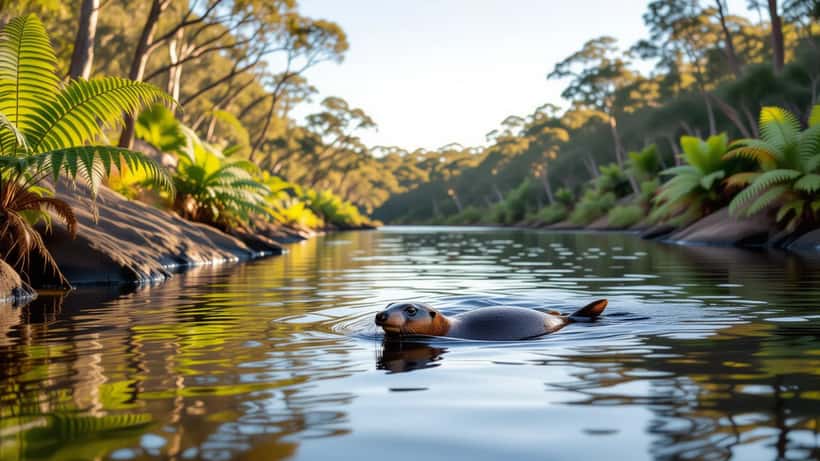
UNSW scientists have confirmed that a reintroduced platypus population in Royal National Park, south of Sydney, has grown to 20 known individuals. The milestone, announced in late May 2026, follows a third translocation event and fresh evidence that the animals are breeding in the park for the third consecutive season.
The news comes three years after the University of New South Wales and its Platypus Conservation Initiative returned the iconic monotreme to a waterway where it had not been seen for more than half a century.
Why the Royal National Park milestone matters
Royal National Park is Australia’s oldest national park. For more than 50 years, the platypus had been locally extinct from the Hacking River system that runs through it. In May 2023, a founding group of 10 platypuses was released, followed by three more animals in May 2025 and a further four — named Absinthe, Duckie, Hydra and Dawn — in May 2026.
According to UNSW’s Centre for Ecosystem Science, researchers re-encountered males from the original 2023 cohort, including Prometheus, already known as the father of Gili, the first juvenile born in the park. They also captured a new subadult male hatched during the most recent breeding season. Associate Professor Gilad Bino, co-founder of the Platypus Conservation Initiative, said the presence of multiple age classes shows the population is “starting to stand on its own.”
The find is significant because successful platypus translocations are rare. Habitat loss, drought, pollution and climate pressure have pushed the species into isolated pockets across eastern Australia. A self-sustaining population so close to Sydney would demonstrate that targeted conservation can bring a species back from local extinction.
What UNSW researchers did differently
The UNSW team did not simply release animals and hope for the best. Before the first translocation, researchers spent months assessing water quality, macroinvertebrate numbers and river resilience along the Hacking River. Macroinvertebrates — the small aquatic animals platypuses feed on, such as dragonfly nymphs, caddisfly larvae and freshwater shrimp — were found in healthy numbers.
Each released platypus was fitted with a radio or acoustic transmitter so scientists could monitor survival, movement and breeding. The project also sourced animals from multiple wild populations across southern New South Wales and the Australian Capital Territory to maximise genetic diversity.
This careful, evidence-based approach is why the NSW National Parks and Wildlife Service, Taronga Conservation Society Australia and WWF-Australia partnered with UNSW from the outset. The work is now being watched as a possible model for other platypus rescue and rewilding efforts across the state. If the Royal National Park population continues to breed and disperse, it could become a source population for future translocations elsewhere in New South Wales.
What a recovering platypus population means for landowners and river health
Platypuses are often described as sentinel species. When they disappear, it usually signals problems with water quality, riverbank vegetation or food webs. Their return can therefore be read as a positive sign for the entire catchment.
For landowners and community groups along the Hacking River and its tributaries, the milestone is a reminder that river health is not only a government responsibility. Fencing off riverbanks, controlling weeds, keeping cattle and dogs away from nesting sites, and reporting platypus sightings all help maintain the conditions that allowed this reintroduction to succeed.
The NSW National Parks and Wildlife Service manages Royal National Park and encourages visitors to stay on marked tracks, keep dogs out of prohibited areas, and report any injured or distressed wildlife through official channels.
When to call a wildlife veterinarian
Not every platypus encounter requires human intervention. In fact, unnecessary handling can stress the animal or expose a rescuer to the venomous spur on a male’s hind leg. However, there are clear situations where professional help is essential:
- A platypus is stranded on dry land far from water, especially during daylight hours.
- The animal is visibly injured, entangled in fishing line, or has a plastic ring stuck on its bill.
- A platypus appears lethargic, is swimming in circles, or shows signs of discharge from the eyes or nose.
- A dog has attacked a platypus or disturbed a burrow.
Wildlife veterinarians and accredited carers have the training, permits and equipment to assess, treat and release monotremes safely. Attempting a DIY rescue can do more harm than good and may breach NSW wildlife protection laws.
How Expert Zoom can help
If you manage rural land, run a tourism business near a waterway, or simply want to make your property more wildlife-friendly, expert advice can save time and avoid costly mistakes. On Expert Zoom, you can connect with veterinarians, ecologists, conservation consultants and legal advisors who understand Australian native species and local environmental rules.
Whether you need a habitat assessment, help reporting a sick platypus, or guidance on compliance with NSW biodiversity legislation, speaking to a qualified expert early is the safest next step.
