 Chloe Wilson
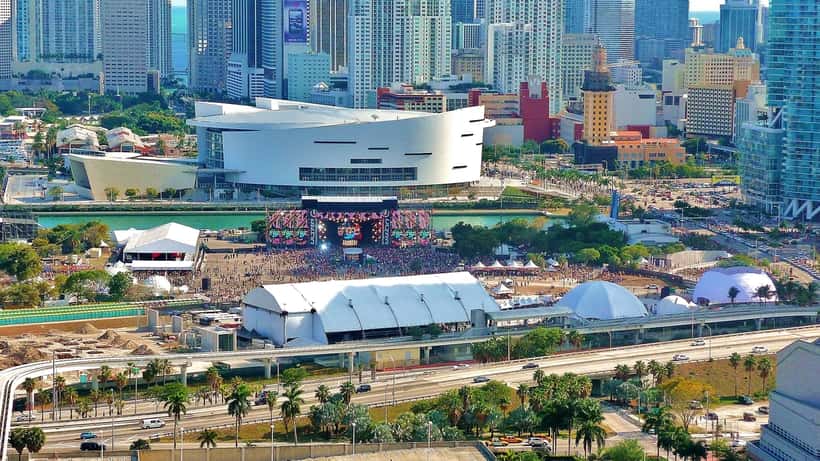
Ultra Australia 2026 opens this weekend across two cities — Melbourne's Flemington Racecourse on Saturday, April 11, and Gold Coast's Broadwater Parklands on Sunday, April 12 — with 40,000 attendees expected across both events. For most, it will be an extraordinary experience. For some, it will be the night that permanently changed their hearing.
The Scale of the Event
The seventh edition of Ultra Australia features headline acts including The Chainsmokers, DJ Snake, and Zedd in Melbourne, alongside a new RESISTANCE Stage dedicated to house and techno programming. The Gold Coast event brings Alesso as headliner. Both are 18-plus events, and early ticket sales suggest both days will be at or near capacity.
Music festivals at this scale generate sound levels routinely between 100 and 120 decibels at the main stage. Some peak moments — especially in electronic music with sub-bass drops — have been recorded above 120 dB. To put that in perspective: safe continuous exposure at 85 dB is eight hours. At 100 dB, safe exposure drops to just 15 minutes. At 110 dB, that window is less than two minutes.
What Happens to Your Ears at a Festival
Noise-induced hearing loss (NIHL) is one of Australia's most underdiagnosed preventable conditions. It develops in two ways: through a single high-intensity exposure, or through repeated moderate-level exposure over time. Festival attendance contributes to both mechanisms.
The immediate sign is tinnitus — a ringing, buzzing, or muffled sensation after leaving a loud environment. Most people dismiss this as normal and temporary. It is temporary, in the sense that the ringing usually fades within 16 to 48 hours. What doesn't fade is the underlying damage: hair cells in the cochlea that are destroyed by sound trauma do not regenerate.
A 2024 study by the Royal National Institute for Deaf People found that more than half of regular concert-goers reported symptoms consistent with hearing damage — ringing ears, muffled sounds, difficulty following conversation — after attending events. Critically, 78 percent of those surveyed were unaware that exposure to 100 dB causes permanent cochlear damage after just 15 minutes.
This is not a niche problem. According to Healthdirect Australia, approximately 3.6 million Australians currently live with hearing loss, and noise exposure is among the leading preventable causes. The number is growing.
The Pitch Festival Precedent
In March 2024, Pitch Music & Arts Festival in Victoria's Moyston became a cautionary example of what can go wrong when heat, crowds, and unmanaged health risks converge. The festival's final day was cancelled after temperatures peaked near 40 degrees Celsius. One person — a 23-year-old — died, with heat stress identified as a contributing factor alongside other circumstances. Four ambulance calls were recorded on the Saturday night alone.
Ultra Australia is a different event in a different season, but April on the Gold Coast can still reach the high 20s. Flemington in April averages 21 to 24 degrees, but can spike. The combination of dancing, dehydration, crowd density, and alcohol is a reliable formula for heat exhaustion — a medical emergency that progresses quickly when not recognised early.
Three Health Risks That Deserve More Attention
Hearing damage is the most underappreciated long-term risk. Earplugs with a Noise Reduction Rating of 25 to 33 dB — available at pharmacies for under $10 — can reduce effective sound levels to safe ranges while still allowing full enjoyment of the music. High-fidelity earplugs designed specifically for concerts attenuate sound evenly across frequencies, preserving music quality. If you're attending both days, wear them both days.
Heat exhaustion begins with heavy sweating, dizziness, nausea, and headache. It escalates to heat stroke — which is life-threatening — when sweating stops and confusion sets in. Drink water consistently throughout the day, not just when you feel thirsty. At festivals with alcohol service, every alcoholic drink should be paired with water. NSW Health guidance for festival attendees recommends seeking shade and rest every 60 to 90 minutes when temperatures are elevated.
Drug and alcohol interactions are the most acute risk factor for medical emergencies at electronic music festivals. Substances affect the body's ability to regulate temperature, dramatically compounding heat stress risk. Signs of overdose or acute reaction — confusion, breathing difficulty, loss of responsiveness — require immediate medical attention. Australian festivals operate under a Good Samaritan framework: seeking help for a friend will not result in legal consequences.
What to Do If Symptoms Persist
The health impacts of festival attendance aren't always felt immediately. In the days that follow, watch for:
Persistent tinnitus beyond 48 hours — If ringing or buzzing in the ears has not resolved by the Monday or Tuesday after the festival, this warrants a consultation with an audiologist or GP. Sudden sensorineural hearing loss — a recognised medical emergency — responds best to treatment started within 72 hours of onset. Waiting "to see if it clears" is the most common and most costly mistake.
Ongoing fatigue, nausea, or headache — These can be signs of residual heat-related stress or dehydration that the body hasn't fully recovered from. If symptoms persist beyond 24 hours after adequate rest and rehydration, see a GP.
Muffled or diminished hearing on one or both sides — Even mild unilateral hearing changes after a loud event are clinically significant. An audiologist can assess whether the change is temporary or reflects permanent threshold shift.
Ultra Australia is one of the best electronic music events in the Southern Hemisphere. Attending it is not a health risk if you go prepared. The risks exist — hearing damage, heat illness, and acute drug reactions are all real and well-documented — but all are manageable with knowledge, preparation, and willingness to seek help when something doesn't feel right.
If you experience any persistent hearing symptoms, pain, or health concerns following the festival, consult a GP, audiologist, or specialist through Expert Zoom. Early intervention is the most effective intervention.
This article provides general health information only and does not constitute medical advice. If you experience a medical emergency, call 000 immediately.
