 Chloe Anderson
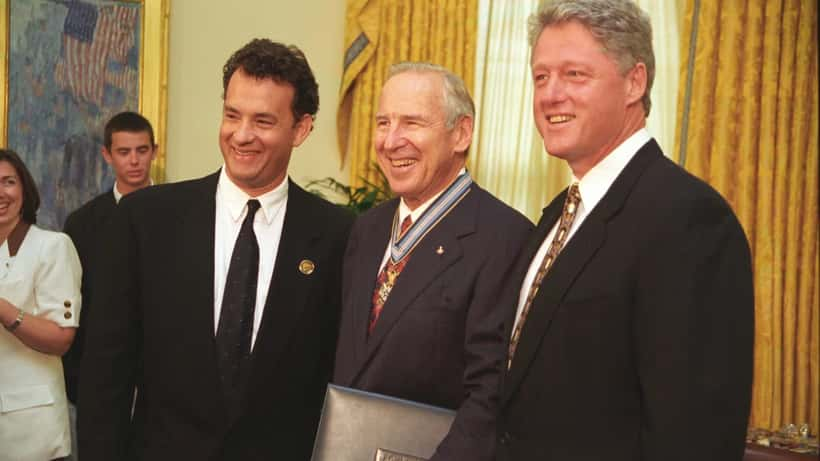
Tom Hanks turned 70 on 9 July 2026, reprising his role as Woody in Toy Story 5 just weeks before his milestone birthday. The film was a box-office triumph, but the detail that resurfaced in the coverage was one Hanks has never hidden: since 2013, he has lived with type 2 diabetes. "Part of it is because of my genes," he told journalists in 2022, "and part of it is because of the horrible lifestyle that I led of eating anything I wanted." For the estimated 1.8 million Australians living with or at risk of undiagnosed type 2 diabetes, Hanks's milestone is less a celebrity story than a data point — one that reflects a national health picture that has grown significantly more complex over the past five years.
Australia's Type 2 Diabetes Burden Is Larger Than Most Realise
According to the Australian Institute of Health and Welfare, approximately 1 in 15 Australians — roughly 1.3 million people — were living with diagnosed diabetes in 2022–24, with type 2 accounting for more than 90 per cent of those cases. An additional estimated 500,000 Australians have the condition but remain undiagnosed, according to research presented at the 2025 National Medicines Symposium.
The figures go beyond prevalence. Diabetes contributed to 11 per cent of all hospitalisations in 2023–24, was linked to 11 per cent of deaths in 2024, and cost the Australian health system an estimated $9.1 billion annually — more than $6,000 for every person with a confirmed diagnosis. The number of Australians on diabetes medication has also surged: prescriptions for GLP-1 receptor agonists (the drug class that includes Ozempic and Wegovy) rose 87 per cent between 2021–22 and 2024–25, from 1.7 million to 3.2 million dispensings.
That 87 per cent jump is not simply a trend story. It reflects a shift in how Australian clinicians are treating type 2 diabetes — with earlier and more aggressive pharmacological intervention, often involving specialist input alongside a standard GP. For patients managing the condition the same way they were five or ten years ago, the treatment landscape has moved on without them.
The Age and Gender Profile That Flags Men Over 60
Sixty per cent of Australians affected by type 2 diabetes are aged 65 or over, according to AIHW data. Males are 1.3 times more likely to have the condition than females. Tom Hanks, diagnosed at 57 and managing it through to 70, fits a profile that is increasingly common in Australian consulting rooms — and in emergency departments when management lapses.
The warning signs of type 2 diabetes are individually plausible as ordinary fatigue or ageing: persistent tiredness, increased thirst, slow-healing wounds, blurring at the edges of vision. Research has consistently shown these are easy for men to explain away and delay acting on. The 2025 symposium data suggesting 500,000 undiagnosed Australians skews this population as predominantly male and over 55 — people who visit a GP infrequently and who have not had fasting glucose or HbA1c testing in the past two to three years.
Hanks has spoken about his daily physical activity regimen — one hour every day — as a central management tool. For older Australian men, the implication is the same: the gap between "managed by lifestyle alone" and "requires medical review" often closes in the mid-to-late 60s, and it closes faster than most people anticipate.
What "I've Got It Under Control" Looks Like at 70
Hanks's phrase — "it's controllable" — was reassuring in 2013, and it remains medically accurate. But what control requires changes substantially as a patient ages. By 70, several factors converge that affect diabetes management in ways a 57-year-old does not yet face:
Kidney function. Metformin, the first-line medication for most type 2 patients, requires dose adjustment or discontinuation when the estimated glomerular filtration rate (eGFR) drops below a threshold of 30–45 mL/min/1.73m². Annual eGFR testing is standard, but the results need active interpretation relative to current dosing — something that requires clinical review, not just a routine pathology report.
Cardiovascular compounding. People with type 2 diabetes have a significantly elevated cardiovascular risk baseline. At 70, that baseline intersects with ageing-related arterial changes. GLP-1 medications have demonstrated cardiovascular risk reduction in major clinical trials, which is partly why prescriptions have surged; the clinical decision about whether a patient qualifies for this class — and which one — requires specialist input in complex cases.
HbA1c targets. The target that was appropriate at 57 may need reassessment by 70. For older patients with a higher hypoglycaemia risk, tighter control (below 7.0%) may actually be inappropriate. An endocrinologist review can determine whether a more relaxed target of 7.5–8.0% is safer and equally protective against complications.
As detailed in this earlier analysis of chronic disease risks in older Australian men, the pattern of celebrities disclosing health conditions mid-career has repeatedly prompted useful public conversations about conditions that affect far more people than just those in the spotlight.
A Concrete Case: When the Management Plateau Becomes a Risk
Consider David, a 67-year-old project manager from Newcastle diagnosed with type 2 diabetes six years ago. He takes metformin 1000 mg twice daily, sees his GP every six months, and has maintained an HbA1c between 7.1% and 7.4% for the past three reviews. He walks 30 minutes four times per week. On paper, he is managing. In clinical terms, however, three consecutive HbA1c readings above the 7.0% target, combined with early signs of peripheral neuropathy — a mild burning sensation in his feet at night — place him at a clear decision point.
Under Royal Australian College of General Practitioners (RACGP) guidelines, this pattern warrants either a medication review (adding an SGLT-2 inhibitor or GLP-1 agonist to his regimen) or a referral to an endocrinologist, or both.
The if/then logic applies directly here. If David continues without escalation for another six-month cycle, the cumulative risk of nephropathy progression increases by approximately 15–20 per cent per percentage point of HbA1c above target, according to AIHW modelling. His current gap of 0.1–0.4 percentage points above target may seem minor, but over 18–24 months it compounds into measurable kidney and nerve damage.
What does a specialist review cost? An initial endocrinologist consultation in Newcastle or Sydney typically runs $310 to $420, with a Medicare rebate of approximately $160. David's out-of-pocket cost is $150 to $260 for the initial appointment. If his GP adds a GP Management Plan (Medicare item 721) and a Team Care Arrangement (item 723) — which is appropriate given his chronic condition — David also becomes entitled to up to five Medicare-subsidised allied health visits per calendar year, including a diabetes educator and dietitian, at no gap or minimal gap cost.
The comparison: a single specialist review at $150–260 out-of-pocket, resulting in a medication adjustment, versus an average diabetes-related hospitalisation cost of $12,400 per admission. The numbers argue clearly for early escalation.
Four Questions Worth Asking at Your Next GP Appointment
For Australian men over 55 managing type 2 diabetes — whether newly diagnosed or managing it for years — four specific questions can help identify whether a specialist referral is warranted:
What is my HbA1c trend across the last three tests? A single result in range is less meaningful than a trend. A stable or rising result across multiple reviews, even within the target band, is worth discussing.
Should I be considered for a GLP-1 or SGLT-2 inhibitor? With prescriptions in this class rising 87 per cent in three years, many patients whose original treatment plan predates this era have not had the conversation. Both drug classes offer cardiovascular benefits beyond glucose control.
How is my kidney function tracking? Annual eGFR is standard, but the interpretation — specifically whether current medications are still appropriate — requires a clinician's judgment, not just a flag on a results sheet.
Am I eligible for a GP Management Plan with allied health visits? Many Australians with chronic conditions are not accessing subsidised care they are entitled to. A diabetes educator and dietitian review, at low or no cost, can reset a management plan that has not been reviewed since diagnosis.
Tom Hanks did not hide his diagnosis, and he has not pretended that lifestyle alone is sufficient. Managing type 2 diabetes at 70 — well enough to voice an animated cowboy — takes consistent, expert-informed care. For the 1.3 million Australians sharing that diagnosis, the same logic applies whether or not they are making films. Expert Zoom connects Australians with health professionals who can review complex chronic conditions, interpret trends, and recommend whether the current management approach still fits.
YMYL disclaimer: This article provides general health information only. It does not constitute medical advice. Consult a qualified health professional regarding any personal health concerns, diagnosis, or treatment decisions.
