 Fred Rivers
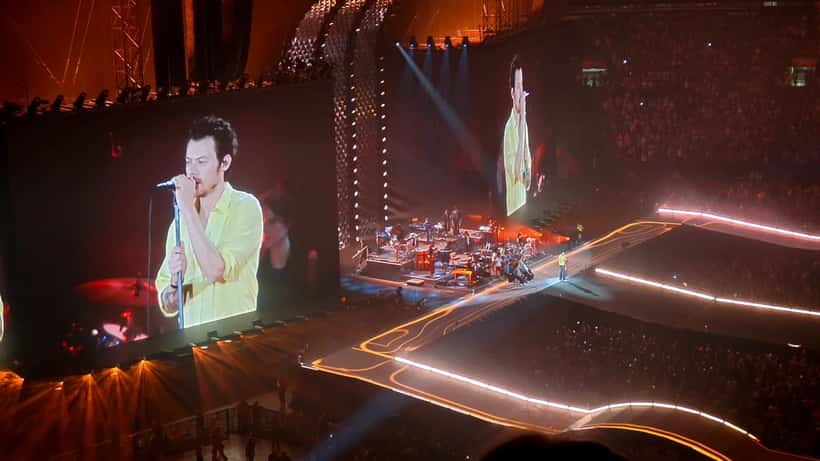
Harry Styles fans hoping to catch his "Together Together" tour in Australia this November are facing ticket prices climbing past $1,000, driven by Ticketmaster's "Platinum" dynamic pricing — and many are asking whether Australian law can protect them.
The tour comes to Marvel Stadium in Melbourne on 27 and 28 November 2026, followed by Accor Stadium in Sydney on 12 and 13 December. Standard tickets start from $60 for restricted-view seats and reach $476.96 for premium seating, while VIP packages are priced between $426 and $854. When dynamic pricing activates on high-demand sections, some seats are reportedly trading above $1,000 — prompting a wave of fan backlash and calls to boycott the presale entirely.
What Is Dynamic Pricing — and Is It Legal in Australia?
Dynamic pricing, also marketed as "Platinum" or "demand-based" pricing, adjusts ticket prices in real time based on how quickly seats are selling. As demand rises, so does the price. Airlines and hotels have used it for decades, but its expansion into live entertainment has drawn increasing scrutiny from consumer advocates.
In Australia, dynamic pricing is not prohibited by law. Businesses have the legal right to set and change prices at any time. However, that freedom has limits. Under the Australian Consumer Law (ACL), businesses must not mislead consumers about prices or advertise a price they have no genuine intention of honouring. According to the Australian Competition and Consumer Commission, all charges — including booking fees, service fees, and mandatory add-ons — must be clearly disclosed before a consumer commits to a purchase.
When the price a fan sees at midnight differs sharply from the $60 "headline" advertised in promotional materials, the question of misleading conduct becomes relevant.
Drip Pricing: The ACCC's 2026 Target
Beyond the headline seat price, Ticketmaster commonly adds processing fees, booking charges, and order fees only at the final checkout screen. For a $200 ticket, an extra $25 to $35 can appear moments before payment. Consumer advocates call this "drip pricing" — and the ACCC has flagged it as a primary enforcement priority in 2026.
The ACCC's pricing guidance for consumers specifies that businesses engaging in drip pricing may be in breach of the ACL's prohibition on misleading or deceptive conduct. Where the total price is only revealed at the final step of a purchase process, consumers may have grounds to lodge a complaint with the ACCC or their state's Fair Trading agency.
The Live Performance Australia Ticketing Code of Practice requires ticket sellers to clearly state the total price — including all fees — before a purchase is confirmed. The Code does not carry the force of statute, but breaches can support formal complaints and, in some cases, legal action.
What Rights Do You Have If Something Goes Wrong?
If an event is cancelled, rescheduled, or materially changed, Australian Consumer Law generally entitles you to a refund. Events that are "not as described" at the time of purchase — for example, an outdoor show moved indoors, or a support act advertised but not delivered — may also trigger consumer guarantees.
Ticketmaster's standard policy provides refunds for cancelled events only, not for last-minute venue changes or support act swaps in most cases. If you purchased a VIP package expecting particular benefits that were not delivered, however, a consumer law claim may be viable. Losses of $800 or more — the price of many VIP tiers — are financially meaningful enough to warrant professional advice.
Fans who feel deceived about final pricing have a clear first step: document everything before purchase. Take screenshots of the advertised price, the dynamic pricing alert, and the final checkout total including all fees. This evidence is essential for any complaint or claim.
The Bigger Picture: Live Nation's Market Position
This is not the first time Ticketmaster's Australian practices have attracted legal attention. An ACCC investigation examined whether Live Nation's dominance in ticketing constitutes anti-competitive behaviour, a concern that has become a recurring theme in the Australian live music industry. Smaller promoters and independent venues have consistently argued that the near-monopoly position of Live Nation-Ticketmaster limits competitive alternatives for both artists and fans.
For concert-goers, this market concentration means that opting out of Ticketmaster is often not a practical option — particularly for stadium-scale tours like Harry Styles'. That reality makes consumer protections under the ACL all the more important.
When to Consult a Legal Expert
Most individual ticket disputes involve relatively modest sums, but cases involving VIP packages worth $800 or more, bundled travel packages, or corporate purchases of multiple seats present more substantial financial stakes. A consumer law solicitor can:
- Review whether a business's pricing conduct breached the ACL's misleading conduct provisions
- Help draft a formal complaint to the ACCC or your state's Fair Trading body (Consumer Affairs Victoria, NSW Fair Trading, or equivalent)
- Assess prospects for recovery through small claims tribunals such as VCAT, NCAT, or QCAT
- Identify whether any terms and conditions used by the seller constitute unfair contract terms under the ACL
Australians have access to some of the strongest consumer protection legislation in the world. Knowing those protections exist — and how to use them — is the first step to exercising them effectively. ExpertZoom connects you with consumer law experts who can assess your situation and outline your options.
Legal disclaimer: This article is general information only and does not constitute legal advice. For guidance specific to your situation, consult a qualified legal professional.
