 Chloe Kennedy
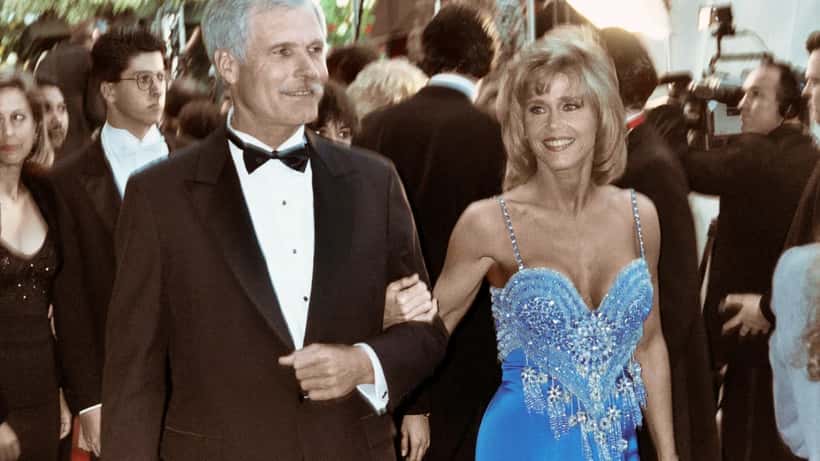
Ted Turner, the billionaire media mogul who founded CNN and transformed global television news, died on 6 May 2026 at the age of 87. His family confirmed that Turner passed away peacefully after a long battle with Lewy Body Dementia, a progressive neurological condition.
For Australians watching the tributes pour in from every corner of the media world, Turner's death is a moment to reflect not only on a remarkable life — but on one of the most extraordinary approaches to wealth management and philanthropy ever seen in the corporate world.
A Fortune Built on Vision, Given Away With Purpose
At his peak, Ted Turner's net worth exceeded USD $2 billion. He built a media empire that began with a struggling Atlanta billboard company and grew to encompass CNN, TBS, TNT, Cartoon Network, and the Atlanta Braves baseball franchise. When Time Warner acquired Turner Broadcasting in 1996 for USD $7.5 billion, it was one of the largest media mergers in history.
But what defined Turner's legacy as much as his business acumen was his landmark 1997 pledge: a USD $1 billion donation to the United Nations Foundation over ten years — then the largest single donation in philanthropic history. Turner did not wait until death to give; he gave while he had the capacity to direct where his wealth went.
For Australian families managing significant assets, Turner's approach raises an important question: how much of your estate strategy is reactive, and how much is intentional?
The Estate Planning Lesson in Ted Turner's Legacy
Turner's philanthropic model — giving strategically during one's lifetime, rather than leaving decisions entirely to an executor — is a concept that Australian wealth management professionals frequently discuss with high-net-worth clients.
The Australian government's financial guidance via MoneySmart highlights that estate planning goes far beyond writing a will. For families with substantial assets, trusts, businesses, or philanthropic ambitions, a comprehensive estate plan typically involves:
- Testamentary trusts — allowing assets to be distributed to beneficiaries under favourable tax conditions
- Charitable giving strategies — structured donations to Australian registered charities that can provide tax deductions now, not just after death
- Business succession planning — ensuring that a media empire or family company does not face a leadership vacuum or forced sale upon the owner's death
- Powers of attorney — appointing someone to manage financial and medical decisions if incapacity occurs, as it did for Turner in his final years with Lewy Body Dementia
Turner's condition is a reminder that cognitive decline can affect anyone, including the sharpest business minds. Without a durable power of attorney and properly documented estate plans, families face complex legal and financial challenges at the worst possible time.
What Australian Families Can Learn
Turner gave away roughly a third of his wealth during his lifetime, structured his philanthropy through the United Nations Foundation, and remained actively engaged with his assets and causes well into his seventies. That level of intentionality is achievable at any wealth level — not just for billionaires.
For Australians with a family home, superannuation, investment portfolios, or a small business, the questions that a wealth management adviser would typically address include:
- Are your superannuation beneficiary nominations up to date? Super does not automatically form part of your estate; it requires a valid binding death benefit nomination.
- Do you have a testamentary trust? This can protect inheritances for children, reduce tax on distributions, and provide asset protection from divorce or bankruptcy of beneficiaries.
- Have you considered a Prescribed Private Fund or ancillary fund? For Australians with charitable giving ambitions, these structures allow you to make a tax-deductible contribution now and direct distributions to charities over time — the Australian equivalent of Turner's model.
- Is your business succession plan documented? If you own a business — a media company, a trade business, or a professional practice — what happens to it if you can no longer work?
The Lewy Body Dementia Factor
Lewy Body Dementia, the condition that claimed Turner's life, is Australia's third most common form of dementia, affecting approximately 100,000 Australians according to Dementia Australia. It progresses differently to Alzheimer's disease, often involving fluctuating cognition, visual hallucinations, and Parkinson's-like movement symptoms.
From a wealth management perspective, an early diagnosis of any cognitive condition is a critical trigger to review your estate plan. The legal capacity to sign documents, make decisions, and provide informed consent diminishes as dementia progresses. Acting early — before capacity is compromised — ensures your wishes are properly documented and legally enforceable.
Turner's Enduring Influence: A Call to Act
Ted Turner once said: "You can never quit. Winners never quit, and quitters never win." His approach to philanthropy reflected the same philosophy — not waiting for death to decide what his wealth meant to the world, but actively shaping that legacy while he could.
For Australian families navigating estate planning, wealth management, and the complexities of giving, consulting a qualified wealth management expert through ExpertZoom can help ensure that your own legacy is built with the same intention and clarity.
Planning is not about being morbid. It is about being in control of what you leave behind.
