 Sophie Thompson
The Sydney Royal Easter Show runs from 2 to 13 April 2026 at Sydney Olympic Park, drawing more than 900,000 visitors over 12 days. For most attendees, it's a chance to see prize cattle, watch the Grand Parade, and let children pet animals in the Farmyard Nursery. But behind the ribbons and sawdust is a complex animal welfare operation — one that requires round-the-clock veterinary oversight.
This year's show features beef and dairy cattle competitions, alpacas, horses, pigs, lambs, goats, ducks, chickens, and pedigree dogs. Each category brings distinct challenges for the vets and animal handlers responsible for their care.
The Scale of Animal Management at the Easter Show
Running the Show's animal program is, in logistical terms, equivalent to managing a country town of 50,000 people — except those residents are cattle, horses, and sheep. The Royal Agricultural Society of NSW (RAS) operates an on-site veterinary panel that provides:
- Regular health inspections of all animals on the grounds throughout each show day
- Treatment facilities for injuries and illnesses
- Isolation facilities for any animals showing signs of infectious disease
- Drug testing programs to ensure fair competition
- Emergency services including emergency euthanasia when necessary
- Biosecurity protocols to prevent disease transmission between herds and flocks
Exhibitors are required under the RAS animal welfare policy to ensure all animals have adequate feed, water, and shelter at all times. No animal may be worked to exhaustion, and any animal showing signs of suffering must receive immediate care.
What Vets Are Actually Watching For
Show conditions are stressful for livestock in ways that casual observers don't immediately see. Animals are transported from farms — sometimes over long distances — confined in unfamiliar stalls, exposed to large crowds, loud noises, unfamiliar smells, and unusual lighting. This combination of stressors creates a range of health concerns that a good show vet knows to watch for.
Transport stress and dehydration Long-haul transport is one of the most common triggers for health issues in show animals. Cattle and horses may refuse to eat or drink in unfamiliar environments, leading to dehydration that can cascade into more serious complications. Show vets monitor hydration status, watch for signs of shipping fever in cattle (a respiratory illness triggered by stress and transport-related exposure), and ensure animals are rested and settled before entering competitions.
Heat stress April in Sydney is typically warm, and livestock in enclosed pavilions can suffer heat stress even in autumn conditions. Signs include rapid breathing, excessive drooling, and reluctance to move. The RAS opens pavilions early each morning and has cooling systems in place, but handlers and vets remain vigilant throughout the day.
Injury during handling The process of loading, unloading, and moving livestock around a show ground creates opportunities for injury. Slip-and-fall injuries, hoof problems, and laceration from handling equipment are common enough that on-site veterinary care is essential, not optional. Horses are particularly prone to soft tissue injuries when moved between different surfaces.
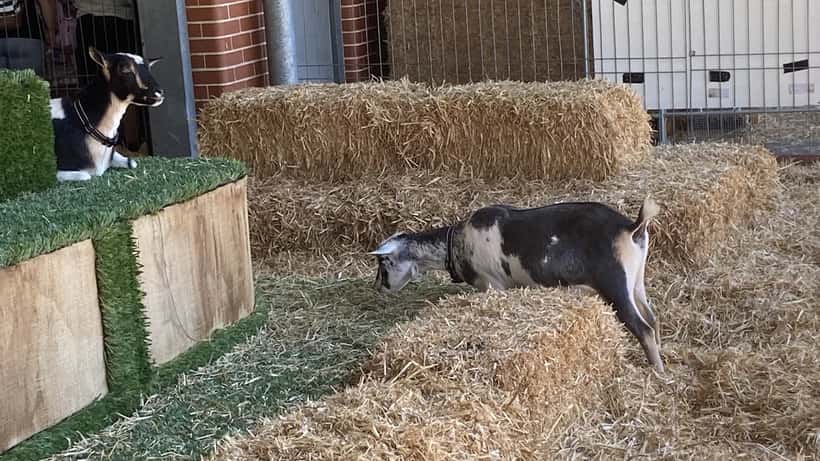
Anxiety in companion animals The Farmyard Nursery section, where children interact with smaller animals — ducklings, lambs, goats — requires particularly careful welfare monitoring. The RAS uses a Rest Pen system that allows animals to withdraw from human contact and rest in quiet spaces at any time. Vets and animal welfare officers watch for signs of excessive stress including abnormal repetitive behaviours, aggression, or refusal to engage.
What Happens When an Animal Is Unwell at the Show
Any animal assessed as unfit to compete is withdrawn from judging. The RAS veterinary panel has authority to exclude animals from the show ring if welfare standards are not being met — a power they exercise without hesitation. Animals requiring treatment are moved to dedicated care areas away from the public; in severe cases, isolation facilities are activated to prevent potential disease spread.
The RSPCA's Five Domains of Animal Welfare framework — covering nutrition, physical environment, health, behavioural interactions, and mental state — provides the welfare assessment model that underpins modern show animal care in Australia, and all exhibitors are bound by the Prevention of Cruelty to Animals Act 1979.
What Show Season Means for Vet Practices Near Sydney
For veterinary practices in the Greater Sydney region and beyond, the Easter Show season brings a notable increase in certain consultation types. In the weeks before the show, farmers seek pre-show health checks, vaccination updates, and condition assessments to ensure their animals are competition-ready. Post-show, practices see an uptick in respiratory cases (particularly cattle brought into contact with animals from different regions) and recovery care for animals returning home after stressful transport.
The Show is a showcase of Australian agricultural excellence — but it's also a reminder that the welfare of the animals in those pavilions depends on the expertise of the veterinarians and handlers who prepare, monitor, and care for them throughout.
If you own livestock, farm animals, or companion animals and want guidance on stress management, show preparation, or post-travel recovery, Expert Zoom connects you with experienced Australian veterinarians available online at a time that suits you.
