 Chloe Anderson
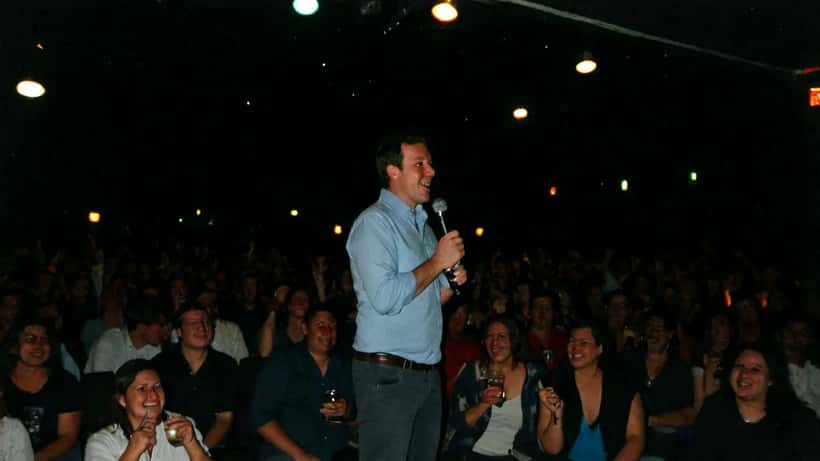
The Sydney Comedy Festival marked its 21st year in April 2026, with 350-plus international and local comedians performing across multiple city venues from April 13 through mid-May. The festival — one of the largest comedy events in the southern hemisphere — draws hundreds of thousands of attendees annually. It's a cultural milestone. But it's also, as psychologists increasingly recognise, a public mental health intervention at scale.
Laughter Is Not Just Nice to Have
The relationship between humour, laughter, and psychological wellbeing is not a new area of clinical interest, but its legitimacy has strengthened considerably in recent years. Laughter triggers a cascade of neurochemical responses: cortisol levels drop, endorphins are released, and the limbic system — the brain's emotional regulation centre — shows measurable activation changes.
For Australians living with chronic stress, anxiety, or mild depression, these responses matter. Not as a substitute for clinical treatment, but as a meaningful complement to it.
Research from Beyond Blue, Australia's leading mental health organisation, consistently highlights social connection and positive emotional experiences as protective factors against psychological distress. Comedy events, particularly live performance contexts where laughter is shared with a crowd, amplify these effects through a process called social laughter — a phenomenon where the experience of laughing together with others intensifies both the physiological and emotional benefits compared to laughing alone.
The Mental Health Crisis Context
Australia's mental health landscape in 2026 remains challenging. Approximately one in five Australians will experience a mental health condition in any given year, with anxiety disorders the most common, followed by mood disorders including depression. Workforce pressures, housing costs, and the ongoing aftermath of the pandemic have maintained elevated rates of psychological distress, particularly among young Australians aged 18 to 34 — a core comedy festival demographic.
For this group, attending cultural and social events represents one of the few remaining publicly accessible and affordable social rituals. Tickets to comedy shows can cost far less than a session with a private psychologist, and the social context of live performance creates environments that psychologists describe as "low-stakes social engagement" — shared experience without the anxiety of intimate social situations.
What Psychologists Say About Arts and Wellbeing
The field of arts-based wellbeing has moved from a fringe idea to a mainstream clinical interest. Several key mechanisms have been identified:
Cognitive reframing through humour. Comedy often works by taking stressful situations — financial pressure, relationship difficulties, workplace anxiety — and reframing them as absurd or universal. This mirrors a core technique in cognitive behavioural therapy, where patients are taught to identify and challenge distorted thinking patterns. Skilled comedians, particularly those drawing on personal experience, can model this reframing process for audiences in an accessible, non-clinical way.
Social proof of normal struggle. Stand-up comedy routinely mines themes of anxiety, loneliness, relationship failure, and professional frustration. For audience members experiencing these things, hearing them named and laughed at in a crowded room provides what psychologists call "normalisation" — the recognition that difficult experiences are widely shared, not private evidence of personal failure.
Physiological regulation. Sustained laughter produces full diaphragmatic breathing, which activates the parasympathetic nervous system (the "rest and digest" system) and counteracts the shallow thoracic breathing associated with anxiety states. This is essentially a form of breathwork that requires no instructions, no app, and no practitioner.
When Laughter Isn't Enough
It's important to be clear: comedy festivals are not therapy. For Australians experiencing moderate to severe mental health conditions, cultural engagement is a complement to professional support, not a replacement.
Mental health professionals identify clear thresholds where self-directed wellbeing activities — exercise, social engagement, creative participation — are insufficient and clinical intervention is required. These include persistent low mood lasting more than two weeks, significant functional impairment (inability to work, maintain relationships, or manage daily tasks), and any presentation involving thoughts of self-harm.
For Australians who are uncertain whether what they're experiencing is "normal stress" or a clinical concern, a conversation with a GP is the right first step. GPs can conduct a structured mental health assessment, access Medicare-subsidised mental health treatment plans, and provide referrals to psychologists, psychiatrists, or other relevant specialists.
Making the Most of Festival Season
For Australians who want to approach the Sydney Comedy Festival as a deliberate wellbeing investment, psychologists suggest a few simple principles:
Go with others, not alone. The social laughter effect is most pronounced in group contexts. A night out with friends or family amplifies the benefits compared to attending solo.
Choose comedians who connect, not just shock. Not all comedy is equal in its psychological effects. Material that explores relatable human experiences tends to be more emotionally resonant — and more beneficial — than shock-dependent content.
Notice the mood shift. Pay attention to how you feel before and after attending. The mental health value of live comedy is partly in training yourself to recognise and seek out experiences that reliably improve your mood — a habit worth cultivating.
Australia's comedy culture is exceptional — and the Sydney Comedy Festival's 21st year is a good occasion to engage with it not just as entertainment, but as one of many tools available for maintaining psychological wellbeing.
This article is intended as general health information. If you are experiencing mental health concerns, please consult a qualified health professional or contact Beyond Blue on 1300 22 4636.
