 Olivia Thompson
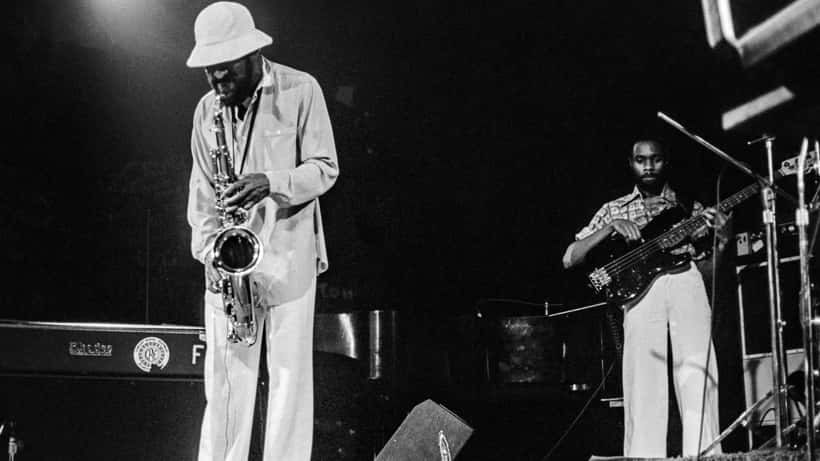
Sonny Rollins, widely regarded as one of the greatest tenor saxophonists in the history of jazz, died on 25 May 2026 at his home in Woodstock, New York. He was 95. Known as the "Saxophone Colossus," Rollins leaves behind a body of work spanning more than seven decades — including enduring recordings such as Saxophone Colossus (1956), Way Out West (1957), and The Bridge (1962). His death raises urgent questions for musicians and their families worldwide: when a creative icon passes, what actually happens to their music, their royalties, and their estate?
A Life's Work in Music: The Estate Left Behind
Rollins began recording in 1949 and composed some of jazz's most celebrated standards, including "St. Thomas," "Doxy," "Oleo," and "Airegin." He received a Grammy Lifetime Achievement Award, a Kennedy Center Honor, and the National Medal of Arts, presented by President Obama.
In 2023, Rollins made a significant financial decision — he sold his publishing and recorded music rights to Reservoir Media, a music rights company, for an undisclosed sum. For his family, this means that the ongoing royalty streams from those recordings now flow to Reservoir, not directly to his estate. However, residual income streams, licensing decisions, and the management of his name, image, and likeness remain matters for his surviving family to navigate.
Rollins's wife Lucille, who managed his career for decades, predeceased him in 2004. His surviving family includes his nephew, Clifton Anderson, and his nieces Vallyn Anderson and Gabrielle DeGroat. For them, as for any family dealing with the estate of a professional creative, the months following a death can involve complex legal and financial decisions.
What Happens to a Musician's Rights When They Die
Music copyright in Australia — like the United States — grants automatic protection to original creative works. Under Australian law, copyright in a musical composition generally lasts for the life of the creator plus 70 years, meaning Rollins's compositions will remain protected well into the twenty-second century.
When a musician dies, several distinct categories of rights and income streams come into consideration:
Publishing rights (songwriting royalties): If the songwriter retained their publishing rights, these pass to the estate and then to beneficiaries. In Rollins's case, these were sold to Reservoir Media in 2023 — a pre-mortem rights transfer that is increasingly common among older artists seeking liquidity.
Master recording rights: Ownership of the original recorded performances, sometimes held by the artist or their label. Again, Rollins's masters transferred to Reservoir, but this is not the case for most independent musicians.
Neighbouring rights and performance royalties: Royalties collected by performing rights organisations when recordings are broadcast, streamed, or performed publicly. In Australia, these are administered through APRA AMCOS and related bodies. These streams can continue generating income for estates long after death.
Name, image, and likeness (NIL) rights: A musician's name, likeness, and brand continue to have commercial value after death. Managing these rights — preventing unauthorised merchandise, endorsements, or use of the artist's image — requires ongoing legal oversight.
Why Estate Planning Matters More Than Ever for Musicians
Rollins's case illustrates a broader trend: the financial and legal complexity surrounding creative estates is growing. The global music industry generated an estimated USD $28.6 billion in recorded music revenue in 2023, according to the IFPI. Streaming platforms have revived interest in catalogue music, meaning that recordings made by artists like Rollins decades ago now generate more streaming royalties than they did in the CD era.
For Australian musicians at any career stage, this growth in music rights value makes proactive estate planning more important. Without a clear will and estate structure, a musician's royalty income can be tied up in probate for years, generating tax liabilities and family disputes while platforms continue distributing the work.
Key questions any musician or creative professional should address with a specialist adviser include:
- Who inherits your copyright? Australian intestacy laws may distribute rights in ways the artist would not have chosen. A will allows explicit designation.
- Should you sell or retain your publishing rights? Pre-mortem rights sales, like Rollins's 2023 Reservoir deal, provide immediate capital but transfer control. Trusts and licensing structures can offer a middle path.
- How will performance royalties be collected and distributed? Performing rights organisations like APRA AMCOS hold royalties but require proper estate registration to release funds to beneficiaries.
- What happens to your digital catalogue? Streaming platform profiles, social media accounts, and digital distribution agreements all require administration by someone with legal authority to act.
- Is your estate protected from disputes? Where a musician's estate has significant value, family disputes and competing claims are common. Specialist legal and financial advice can build structures that minimise conflict.
Lessons from a Jazz Legend's Legacy
Sonny Rollins's final public performance took place in 2012. For more than a decade, his music generated income through streaming, licensing, and rights deals while he lived quietly in Woodstock. The 2023 sale to Reservoir Media was described by music industry observers as a sophisticated estate-planning move — converting illiquid future royalties into immediate capital, which he could then deploy or gift as he chose.
Not every musician has access to rights purchasers like Reservoir Media. But every musician — and every professional whose work carries long-term intellectual property value — can benefit from structured advice about how to manage and transfer that value across generations.
This article provides general information only and does not constitute financial or legal advice. Anyone dealing with a musician's estate or their own music rights should consult a qualified wealth manager or IP lawyer for advice tailored to their specific circumstances.
Getting the Right Advice
Managing a creative estate requires a combination of legal expertise (copyright, probate, IP law), financial planning (trust structures, tax minimisation, royalty monetisation), and practical administration. These disciplines rarely sit in a single advisor.
ExpertZoom connects Australians with qualified wealth managers, estate planners, and legal professionals who understand the specific challenges of creative and intellectual property estates. Whether you are a musician planning for the future, a family member navigating an inherited estate, or a professional with significant IP assets, the right expert can help you protect what you have built — for yourself and for those who follow.
