 Theo Manning
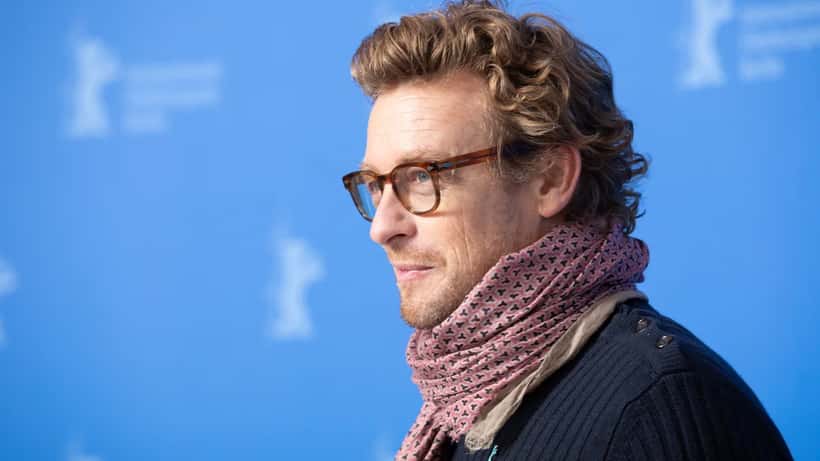
Simon Baker is back on Australian screens in 2026 — twice over. Tasmania-born Baker stars alongside Nicole Kidman in Scarpetta, Amazon Prime Video's crime drama adaptation of Patricia Cornwell's bestselling novels, which premiered globally on 11 March 2026. Simultaneously, The Mentalist — the CBS drama Baker led for seven seasons — arrived on Netflix Australia on 1 March 2026, introducing his performance as Patrick Jane to an entirely new streaming audience.
Baker's dual comeback is prompting renewed conversations among Australian actors, writers, and screen creatives about something too often left to chance: what happens to your work when it resurfaces on streaming platforms, and do your original contracts actually protect you?
From Network TV to Streaming: A Rights Revolution in Progress
When The Mentalist first aired between 2008 and 2015, streaming rights were an afterthought in most entertainment contracts. The actors, writers, and directors involved in the show negotiated residuals — ongoing payments from repeat broadcasts — under agreements designed for a world of scheduled television. Netflix licensing, subscription-based global distribution, and algorithmic surfacing to entirely new audiences were not contemplated.
The Mentalist's arrival on Netflix Australia in 2026 illustrates a pattern that has repeated across hundreds of back-catalogue titles. Network television productions from the pre-streaming era are being relicensed to subscription platforms, generating new revenue streams for studios and distributors. Whether that revenue reaches the creative talent who made those shows depends almost entirely on the specific language of contracts signed years or decades ago.
For Australian actors working in screen production — whether on local independent projects, international co-productions, or Australian adaptations of global formats — the lesson from the streaming era is clear: contract language now matters more than it ever has.
The 3 Streaming Rights Clauses Every Australian Actor Must Scrutinise
Australian entertainment lawyers identify three areas where screen contracts consistently fail to protect creative talent in the streaming context:
1. Residuals and secondary use payments
Traditional Australian broadcast contracts — and those governed by Screen Australia funding conditions — typically include residual structures tied to free-to-air and pay television. Streaming platforms have created a new category of use that many older contracts either exclude or address only through broad "new media" language that favours the producer.
If you are an Australian actor or director with work currently in distribution or approaching any form of secondary licensing negotiation, your entertainment lawyer should review whether your original contract includes enforceable provisions for streaming residuals, or whether there is any basis to negotiate with the rights holder.
2. Moral rights and attribution
Under the Australian Copyright Act 1968, Australian creators hold moral rights in their work — including the right of attribution (to be identified as the creator) and the right of integrity (to object to derogatory treatment of the work). These rights cannot be assigned, but they can be waived.
Many Australian screen contracts include broad moral rights waivers that creators sign without fully understanding the implications. When your work is repackaged, reedited, or redistributed in a new format — as is common in streaming acquisition — those waivers can strip you of meaningful recourse if your contribution is misattributed or your work is materially altered.
Reviewing any moral rights waiver you have signed, and understanding its scope before you execute future agreements, is essential.
3. Territory and platform exclusivity
The global nature of streaming has made territorial rights increasingly complicated. A contract that assigns "Australian broadcast rights" to a network may not clearly address whether that producer can subsequently license the same content to a streaming platform accessible from Australia, or whether a US-based streaming deal intended for the American market also captures the Australian audience.
Simon Baker's situation — with Scarpetta on Prime Video and The Mentalist on Netflix, both accessible to Australian subscribers in 2026 — is a high-profile example of how creative work can appear simultaneously across multiple platforms, territories, and formats. Without precise contractual language, tracking and enforcing any exclusivity provisions or additional compensation rights is extremely difficult.
What Australian Actors and Screen Creatives Should Do Now
The shift from network television to global streaming platforms is not slowing down. Screen Australia's funding guidelines have increasingly factored digital and streaming distribution into project requirements, reflecting the sector's transformation. But the contracts governing how individual creatives are compensated for that distribution often lag behind the commercial reality.
If you have work currently in production, distribution, or being considered for adaptation or relicensing, take these steps before signing or before licensing discussions advance:
- Engage an entertainment lawyer before signing any distribution or production agreement — streaming provisions require specialist review, not general contract expertise
- Audit your existing contracts — if you have work from the pre-streaming era that is now appearing on subscription platforms, check whether you have any basis to seek additional compensation
- Understand your moral rights position — especially if your work may be reedited, adapted, or included in compilation or format-based projects
- Register your works — while copyright is automatic in Australia, maintaining clear documentation of authorship, creation dates, and original agreements is essential in any dispute
Simon Baker's 2026 return to screens is a reminder that screen careers, and the contracts behind them, have long shelf lives. Work made years or decades ago continues to generate value. Whether that value reaches the people who created it depends on the legal foundations laid at the outset.
Connect with an entertainment and IP lawyer on Expert Zoom to review your contracts and protect your rights in the streaming era.
This article is for general informational purposes only and does not constitute legal advice. Consult a qualified Australian entertainment lawyer for advice specific to your situation.
