 Chloe Harris
Australia's salmonella alerts are mounting. A July 2026 Food Safety News report confirmed a fresh outbreak in New South Wales linked to dried bovine meat from an unlicensed producer, while global health agencies are warning of a parallel surge in cases tied to household pets and backyard poultry. For the growing number of Australians keeping chickens for fresh eggs or reptiles as companions, the 2026 warnings land as a direct message: the next salmonella risk may be living in your garden or bedroom terrarium, not just a restaurant kitchen.
Disclaimer: This article is for general information only and does not constitute veterinary or medical advice. If you or a family member experience severe symptoms, or if your animals show signs of illness, consult a qualified professional promptly.
Australia's 2026 Salmonella Wave: Beyond the Restaurant Kitchen
The NSW outbreak making headlines in July 2026 involved Salmonella enterica serovar Reading — a strain that typically infects fewer than two people per month in the state. A spike of 23 cases in a single month, traced to dried bovine meat sold through South Asian grocery stores and a restaurant with poor hygiene controls, has been published as a case study in the CDC's Emerging Infectious Diseases journal (August 2026 early release). Food safety regulators across Australia are now reviewing compliance at small-scale meat producers.
But food businesses are only one part of the salmonella picture. What the outbreak headlines consistently miss is the domestic vector sitting quietly in backyards and living rooms across the country. According to the Australian Bureau of Statistics, backyard chicken ownership has grown by more than 35% since 2020. Reptile ownership — bearded dragons, blue-tongue lizards, turtles — is one of the fastest-growing segments of the Australian pet market. Both trends carry a public health implication that most owners are never told about: these animals shed salmonella bacteria regularly, often while appearing completely healthy.
The Hidden Carriers in Your Garden and Living Room
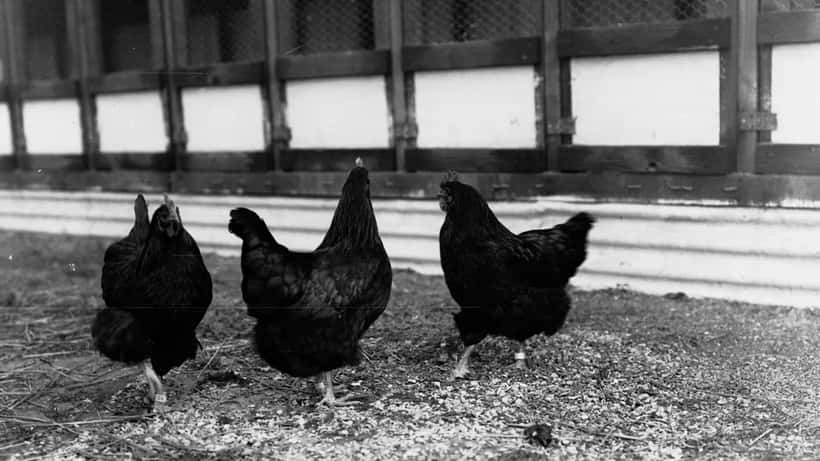
Unlike contamination in a commercial kitchen, the salmonella found in backyard poultry and reptiles has no visible warning sign. A hen that lays daily, eats well, and shows no signs of illness can still be shedding Salmonella spp. in her droppings. A bearded dragon basking contentedly under a heat lamp can carry the bacteria on its skin and scales without any symptom whatsoever.
Australian research published in Preventive Veterinary Medicine found that approximately 4% of backyard chicken flocks tested across Australia were positive for Salmonella spp. In a country where hundreds of thousands of urban and suburban households now keep backyard hens, that 4% translates to tens of thousands of infected flocks — and the transmission probability during routine egg collection, coop cleaning, and bird handling is considerably higher than the headline figure suggests.
For reptiles, the figures are more striking. International studies consistently show that 70–90% of captive and wild-caught reptiles carry at least one Salmonella strain on their skin, even when the animal appears clean and has been kept in captivity for years. Children under five, pregnant women, elderly Australians, and immunocompromised individuals face the highest risk of serious complications from exposure.
In April 2026, the US Centers for Disease Control confirmed a multistate backyard poultry outbreak spanning 13 states, with more than 40% of cases involving children under five, some involving drug-resistant strains. Australian veterinary authorities have noted comparable domestic risk profiles, even though no single backyard-poultry outbreak has yet reached that scale locally.
What Veterinarians Are Seeing — and Saying
When salmonella dominates the news cycle, the focus typically lands on restaurants, supermarkets, and food producers. Veterinarians working with companion animals and small livestock see a different pattern: a steady stream of households where nobody thought to connect a sick child's gastroenteritis with the family's backyard flock or pet lizard.
The core message from veterinary professionals is unambiguous: a healthy-looking animal is not a salmonella-free animal. Routine flock health monitoring — including voluntary testing for Salmonella Enteritidis, which is a notifiable disease in Queensland under state biosecurity law — is the only way to know an animal's bacterial load with certainty. For reptiles, the situation is structurally different: salmonella is a permanent part of a reptile's gut flora and cannot be eliminated through treatment. Every interaction with a reptile should therefore be treated as a potential salmonella exposure event.
A veterinary consultation in the context of a backyard flock or reptile pet achieves two things most owners have never considered. First, it assesses whether an animal's salmonella strain is one of the more virulent serovars — not all strains carry the same risk for humans. Second, it identifies specific husbandry changes, tailored to the animal, the enclosure, and the household composition, that materially reduce transmission risk. These are not generic hygiene reminders; they are practical, environment-specific recommendations that can make a meaningful difference for households with young children or vulnerable members.
According to the NSW Health salmonella fact sheet, most healthy adults recover from salmonellosis within 4–7 days without antibiotic treatment. In young children, however, the infection can escalate to bacteraemia — bacteria entering the bloodstream — requiring hospitalisation and intravenous antibiotics, a complication that occurs in roughly 5% of paediatric cases.
When a Backyard Flock Silently Infected an Entire Household
Consider this composite scenario, representative of cases seen by GPs and veterinary professionals across Australia. A family in Mulgrave, Victoria, keeps six backyard hens for fresh eggs. The flock looks healthy, lays regularly, and has never been formally tested. In June 2026, two children (aged 4 and 7) and one parent develop fever, diarrhoea, and abdominal cramping within 48 hours of each other. The GP initially suspects a shared meal at a food venue, but the family reports no restaurant visits in the preceding week.
Stool cultures return positive for Salmonella Typhimurium in all three patients. Environmental testing — initiated after the GP records a detailed exposure history — confirms the same strain in the chicken coop and on an unwashed egg that had been left on the kitchen counter.
Three specific risk factors combined to produce the outbreak:
- Coop last cleaned 18 days earlier. At that faecal loading level, any surface contact — handling eggs, reaching into the nest box, patting a hen — carries a high probability of hand contamination.
- Eggs washed before refrigerating. Washing removes the bloom (the natural protective coating on the eggshell), turning the porous shell into a bacterial entry point, particularly if the water temperature is cooler than the egg.
- A 4-year-old participating in egg collection without supervised hand-washing. At this age, hand-to-mouth transfer is almost guaranteed without active adult supervision.
All three patients recovered fully within 7 days. The 4-year-old required a GP visit and oral rehydration therapy but avoided hospitalisation. A subsequent veterinary assessment of the flock — costing approximately $200–$350 for a standard poultry health check in Melbourne — identified two birds with elevated cloacal salmonella loads and recommended a 30-day separation and monitoring protocol before egg collection resumed.
If the family had known to schedule that veterinary check at the point of acquiring the flock — not after the outbreak — the exposure would likely have been identified and managed before any human cases occurred.
What Australian Poultry and Reptile Owners Should Do Before the Next Outbreak
The July 2026 alerts make this a timely moment to review household animal management. The steps below translate directly into reduced salmonella transmission risk for every member of the household.
For backyard chicken owners:
- Clean the coop every 7–10 days in cooler months; every 5–7 days in summer.
- Collect eggs daily — never leave eggs in the nest overnight.
- Do not wash eggs before refrigerating; wipe away visible dirt with a dry cloth only.
- Require supervised hand-washing (soap, 20+ seconds) for every child after any contact with birds or the coop area.
- Book a poultry vet health check when you first acquire your flock, and annually thereafter — especially if young children or pregnant women live in the household.
For reptile owners:
- Treat every handling session as a hygiene event; wash hands before touching your face, food, or surfaces.
- Never allow reptiles access to kitchens, bathrooms, or eating areas.
- Keep reptiles away from infants and toddlers entirely.
- Schedule an annual check with an exotic animal veterinarian who can assess bacterial carriage risk and advise on specific husbandry changes.
The 2026 salmonella season underlines a simple truth: food safety does not begin and end at the supermarket. For the millions of Australians keeping animals at home, understanding the risk and getting professional guidance tailored to your animals and your household is the most effective protection available. Veterinary experts on ExpertZoom can advise remotely on flock testing protocols, husbandry adjustments, and hygiene regimes — without requiring a clinic visit first.
Also relevant: how Australia's cyclospora parasite outbreak earlier this year highlighted the broader pattern of zoonotic and foodborne threats reaching Australian households in 2026.
