 Andrew Thompson
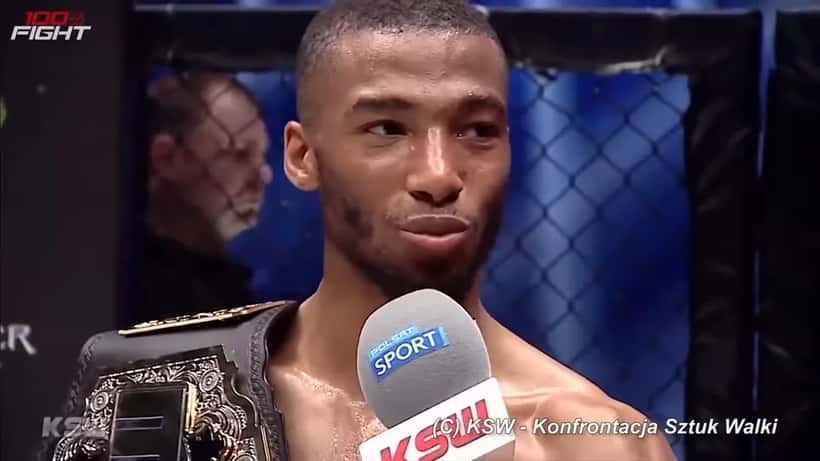
French mixed martial artist Salahdine Parnasse made an emphatic statement at MVP MMA 1 on 16 May 2026, finishing Kenneth Cross with a first-round body shot knockout in his North American debut at the Intuit Dome in Inglewood, California. The Netflix-broadcast event — featuring a headline bout between Ronda Rousey and Gina Carano — drew a global audience, and Parnasse, 23-2, announced himself as one of the most compelling fighters outside the UFC. But as the promotion looks to expand and scouts eye international talent, a critical question emerges for Australian combat sports athletes: when an opportunity like this comes knocking, what legal protections should fighters have in place before signing?
The Parnasse Model: What Elite Non-UFC Fighters Can Achieve
Parnasse arrived at MVP MMA as a double champion in KSW — the Polish promotion where he held both the lightweight and featherweight titles — and as a fighter who had already begun transitioning into professional boxing. His second-round stoppage of former European boxing champion Franck Petitjean in October 2025 demonstrated the kind of commercial versatility that modern combat sports promotions prize.
His victory over Cross confirmed that fighters who build elite credentials outside the UFC can still command major broadcast platforms. MVP MMA's deal with Netflix places it among the best-funded emerging promotions globally. For Australian fighters ranked highly in regional circuits or Asian promotions, Parnasse's success offers a blueprint — but also a reminder that signing with any international promotion without proper legal guidance carries serious risks.
Fighter Contracts: What Australian Athletes Often Miss
Combat sports contracts differ materially from typical employment agreements. Fighters are almost universally classified as independent contractors — not employees — which means they typically fall outside the protections of Australia's Fair Work Act. This classification affects pay disputes, injury liability, exclusivity obligations, and image rights.
According to the Fair Work Ombudsman's guidance on independent contractors, independent contractors manage their own superannuation, insurance, and tax obligations — responsibilities that many young fighters entering their first international contracts are unprepared for.
Several key contract clauses that Australian fighters should have reviewed by a sports lawyer before signing include:
- Exclusivity clauses: Most major promotions bar fighters from competing elsewhere, including boxing or kickboxing, during the contract term. Parnasse's ability to pursue boxing alongside MMA reflects careful negotiation — not standard terms.
- Image rights provisions: Promotions routinely claim ownership of fight footage, fighter likenesses in promotional materials, and even the fighter's name within certain commercial contexts. Understanding what you are signing away can determine whether a fighter can land their own sponsorships.
- Bout agreements and cancellation terms: If a fight is cancelled or a fighter is cut from a card, who bears financial responsibility? In most standard bout agreements, the fighter carries the majority of this risk.
- Injury clauses and medical obligations: International promotions vary widely in what medical care they provide during training camps and after bouts. An Australian fighter competing in the United States or Europe may find that any treatment received there creates complex cross-border health insurance issues.
- Termination and release provisions: Being "released" from a promotion — as many former UFC fighters have discovered — can include non-compete provisions that restrict a fighter's ability to sign with competitors for a specified period.
The Overseas Opportunity and Australian Jurisdiction
When an Australian fighter signs with a foreign promotion, the contract's governing law clause becomes critical. A contract governed by California or Florida law means that any dispute must be resolved in US courts — a financially prohibitive prospect for most fighters. Parnasse, French by nationality, presumably negotiated his MVP deal under legal representation familiar with both European and North American sports law.
Australian fighters who secure opportunities with promotions like MVP MMA, One Championship, or Bellator's successor organisations are often presented with pre-written contracts on short timeframes. The temptation to sign quickly to avoid losing the opportunity is real. The consequences of signing an unfavourable contract, however, can include years of restrictive exclusivity, loss of control over image rights, and limited recourse if payment disputes arise.
What a Sports Lawyer Can Review Before You Sign
A sports lawyer experienced in combat sports contracts can provide a fighter with a plain-language explanation of every material clause, identify terms that deviate from industry norms, and — in many cases — negotiate directly with a promotion's legal team to secure fairer conditions. This is not a service reserved for elite fighters: even fighters competing at a semi-professional or early-professional level benefit from legal clarity before signing.
Specific areas a lawyer will typically flag include:
- Whether the independent contractor classification is accurate under Australian law, or whether an employment relationship exists that would trigger Fair Work protections
- The scope of any exclusivity clause and how it interacts with an athlete's other income streams
- What happens to fighter pay if a bout is cancelled due to injury, illness, or event postponement
- How the contract addresses future earnings — including broadcasting royalties and licensing fees derived from fight footage
Parnasse's Night Raises the Right Questions
Salahdine Parnasse's dominant performance at MVP MMA 1 demonstrated what a well-managed, legally protected career in combat sports can look like. At 23-2, with multi-promotion experience and a boxing career emerging in parallel, he has clearly benefited from professional career management that goes beyond training camp.
For Australian fighters watching that performance and imagining their own international debut, the lesson is not just athletic. The legal scaffolding behind a combat sports career — the contracts, the rights, the jurisdictional questions — matters as much as what happens inside the cage.
If you are an Australian athlete receiving interest from a domestic or international fight promotion, connect with a legal professional on Expert Zoom who specialises in sports and entertainment contracts. Getting independent advice before you sign is not a luxury. In combat sports, it is the difference between a career and a contract.
This article provides general information only and does not constitute legal advice. For advice specific to your situation, consult a qualified Australian lawyer.
