 Fred Rivers
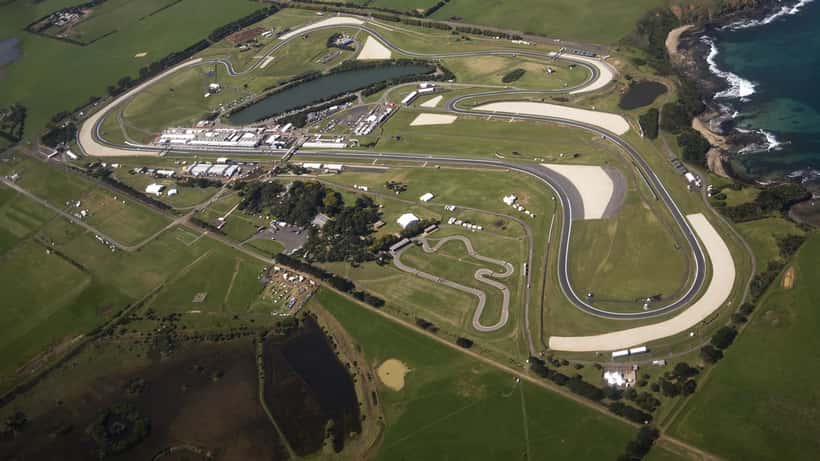
The 2026 Australian Motorcycle Grand Prix, scheduled for 23–25 October at Phillip Island's Grand Prix Circuit, will be the last MotoGP ever held on the island. Reports confirmed in early 2026 that MotoGP will move to Adelaide from 2027, ending a relationship between the sport and the Victorian venue that has defined the region's tourism economy for decades. For the businesses, tour operators, accommodation providers, and hospitality venues that built their model around the annual race weekend, the question is no longer "will it come back?" — it is "what do we do now?"
What the End of MotoGP Means for Phillip Island's Economy
The Phillip Island MotoGP round routinely draws tens of thousands of spectators, international media, and supply chain activity — from catering and accommodation to logistics and merchandise. A study of comparable regional motorsport events estimates that a single GP weekend can inject $50 million or more into the surrounding economy across accommodation, food and beverage, transport, and retail.
For small businesses in Cowes, Newhaven, and the wider Bass Coast region, the annual race weekend was not merely a busy trading period — for many, it represented a structural part of their annual revenue. With MotoGP gone, the legal and financial preparation that business owners take now will determine how well they absorb the impact.
A related example is instructive: as reported in our coverage of Commonwealth Games 2026: Australia's Lesson in Event Contract Risk, Victoria has previously faced the fallout from major event cancellations — and the businesses best positioned were those that had reviewed their contracts and insurance before the announcement, not after.
Review Your Supplier and Venue Contracts Now
If your business held annual supply agreements tied to the MotoGP round — for example, a caterer with a hospitality contract, a transport operator with a shuttling agreement, or a lodging provider with a block-booking arrangement with teams or broadcasters — those contracts should be reviewed by a commercial lawyer immediately.
Key questions to ask:
1. Does the contract contain an event-specific termination clause? Some supply agreements are contingent on the continuation of the event itself. If MotoGP is specifically named as the triggering event, the contract may lapse automatically — but entitlements to outstanding payments or deposits remain enforceable.
2. Is there a force majeure or change-of-circumstances clause? Force majeure provisions excuse performance when an event is beyond a party's control. The MotoGP move to Adelaide is a commercial decision, not a natural disaster — courts are generally reluctant to apply force majeure to deliberate organisational choices. Legal advice is essential before assuming you can walk away from obligations.
3. What are your cancellation and deposit terms? If your business accepted advance deposits for the 2026 race weekend from customers who no longer wish to attend, your contractual right to retain those funds depends entirely on the terms of the original booking. Without a clear "non-refundable deposit" clause, you may be obliged to refund.
Leases, Licensing, and Staffing Obligations
For venues that signed commercial leases partly on the basis of the annual MotoGP footfall, the removal of that event does not alter the lease terms. You remain bound to pay rent on the agreed schedule regardless of trading conditions.
However, there are several legal levers that may be available:
Hardship provisions: Some commercial leases contain hardship or force majeure clauses that allow rent renegotiation when trading is materially impacted by circumstances outside the tenant's control. The enforceability of such clauses depends on precise wording.
Retail Leases Act (Victoria): Under the Retail Leases Act 2003 (Vic), certain retail tenants have rights around disclosure obligations and lease renewals that a specialist property lawyer can assess in your specific context.
Staff redundancy: If the loss of the MotoGP round necessitates reducing headcount, Australian employers must follow the minimum notice and redundancy pay requirements under the Fair Work Act 2009 (Cth). Redundancy entitlements are calculated by length of service and the employee's ordinary rate of pay.
Business Interruption Insurance: Is Your Policy Working For You?
Many small businesses in tourism-heavy regions carry business interruption (BI) insurance, but few have tested whether their policy language covers the cancellation or relocation of a recurring external event.
BI insurance typically covers revenue losses arising from physical damage to property — not from an external event choosing a different venue. Policies that extend to "civil authority" closures or "event cancellation" endorsements are more likely to respond, but the policy wording is determinative.
If you have not reviewed your BI policy since the MotoGP relocation was announced, now is the time to do so with an insurance broker or lawyer experienced in event-related claims. The Australian Small Business and Family Enterprise Ombudsman also provides free dispute resolution services for small businesses in insurance disputes.
Planning for the Post-MotoGP Era
The 2026 race on 23–25 October is an opportunity as much as an end. Phillip Island remains a world-class motorsport venue, and WorldSBK — whose season opener at the circuit in early 2026 produced a memorable home podium for Oli Bayliss — continues to race there. The island also hosts the MotoGP farewell round, which is expected to attract record crowds.
Business owners should use the remaining months of 2026 to:
- Audit all contracts tied to the MotoGP and take legal advice on obligations and termination rights.
- Review lease and insurance documents with professional advisers.
- Engage a business or commercial lawyer to assess restructuring options, including potential redundancy planning or lease renegotiation.
- Diversify revenue streams and investigate alternative events — the Bass Coast has natural, wildlife, and cultural drawcards that extend well beyond motorsport.
The transition will not be painless. But with the right legal and financial preparation, Phillip Island's business community can navigate it — and position itself for what comes next.
