 Olivia Taylor
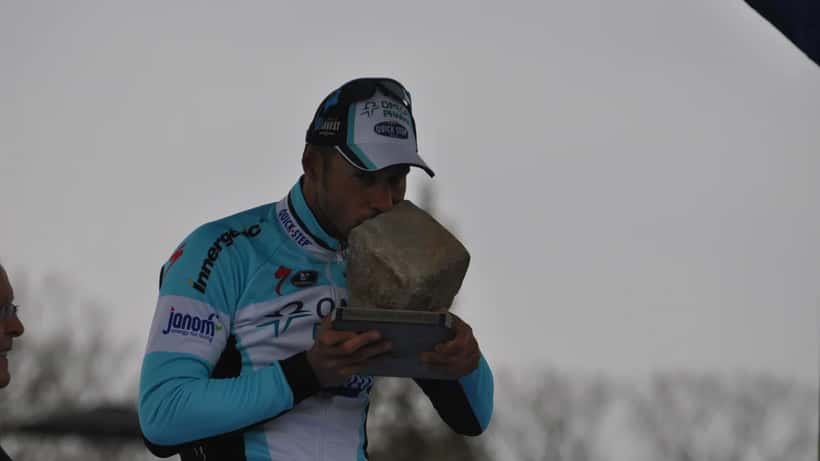
Paris-Roubaix, the iconic one-day cycling race known as "the Hell of the North," takes place today, 12 April 2026, with 175 elite riders battling 258.3 kilometres from Compiègne to Roubaix across 30 cobbled sectors spanning nearly 55 kilometres of punishment.
What Makes Paris-Roubaix So Brutal
The 123rd edition of Paris-Roubaix is unmatched in professional cycling for the sheer physical toll it extracts. Unlike mountain races where gradients are the enemy, Paris-Roubaix's danger lies in its pavé — ancient Belgian cobblestones that send violent vibrations through a rider's entire body for hours at a stretch.
Defending champion Mathieu van der Poel (Alpecin-Premier Tech) is chasing an historic fourth consecutive win. World champion Tadej Pogačar (UAE Team Emirates-XRG) is racing with 38mm-wide tyres and a 1x drivetrain in a bid to become the first rider to win all five Monument classics since Roger De Vlaeminck in 1977. The race is broadcast live in Australia via SBS and attracts a substantial local following among the country's growing cycling community.
For the amateur cyclists watching on and dreaming of their own weekend epics, Paris-Roubaix is also a useful lens through which to understand what cycling actually does to the human body — and when that means you need to see a doctor.
The Injuries That Define Cobblestone Racing
Cobblestones create a unique injury profile that differs from road cycling on smooth surfaces. Sports medicine professionals who treat competitive cyclists identify several injury patterns that become more common when riders push hard on rough terrain.
Road rash and soft tissue trauma: Crashes on cobblestones at speed cause deep abrasions that are easily infected by the dirt and grit embedded in the paving. A crash on pavé is categorically different from a fall on asphalt — wound cleaning must be thorough and professional assessment is often warranted.
Wrist and forearm fractures: Riders absorb constant vibration through their upper limbs. A sudden loss of control on cobblestones typically results in an instinctive arm extension to break a fall — leading to distal radius fractures (broken wrists) or scaphoid fractures, both of which require imaging and specialist assessment. A scaphoid fracture that is not properly diagnosed and immobilised carries a real risk of avascular necrosis — permanent bone death.
Handlebar palsy (ulnar neuropathy): Extended pressure on the handlebars compresses the ulnar nerve at the wrist, causing tingling, numbness or weakness in the ring and little fingers. For most recreational cyclists this resolves with rest and position adjustments, but persistent symptoms warrant a medical review.
Lower back strain and disc irritation: The sustained vibration load from cobblestones is transmitted through the saddle to the lumbar spine. Elite riders like those at Paris-Roubaix experience significant spinal loading over hours. Weekend cyclists who ride hard on rough surfaces can aggravate existing disc problems or develop acute lower back pain that may signal something more serious than simple muscle soreness.
Concussion from falls: Any crash at speed carries the risk of head injury. Helmets are mandatory in competitive cycling, but concussion assessment after a fall is critical. Symptoms can be delayed by hours and include headache, confusion, light sensitivity and nausea.
When Should Australian Cyclists See a Doctor?
Australia's cycling community has grown substantially in recent years, with thousands of amateur riders completing charity events, gran fondos and club rides each weekend. Most cycling injuries are minor, but several warrant professional medical assessment rather than self-management.
Victoria's Better Health Channel, run by the Victorian Government Department of Health, notes that cycling places specific demands on the body and that early assessment of injuries significantly reduces recovery time and long-term complications. See a GP or sports medicine doctor if:
- You experience persistent wrist or hand tingling after riding, particularly if it continues for more than a few days
- You have wrist pain after a fall — even if you can still move it. Scaphoid fractures are notorious for appearing undramatic while causing serious long-term damage if untreated
- Lower back pain that does not improve with 48-72 hours of rest, or that radiates down a leg
- You fall and hit your head, especially at speed — even a brief period of confusion warrants medical evaluation
- A road rash wound shows signs of infection: increasing redness, warmth, swelling or pus after the first 24-48 hours
On ExpertZoom, Australian-based GPs and sports medicine doctors are available for consultations to assess cycling-related injuries and advise on recovery timelines. Early assessment almost always leads to better outcomes than waiting out symptoms alone.
The Lessons for Australian Weekend Warriors
Paris-Roubaix is extreme by any measure. The world's best riders, on purpose-built bikes with professional support, still crash and abandon in significant numbers each year. But the race usefully illustrates the types of forces that cycling imposes on the body — forces that amateur riders experience on a smaller but still meaningful scale every week.
The most important lesson from elite racing medicine is simple: distinguish between normal cycling soreness — tired muscles, expected fatigue, temporary discomfort — and injury signals that the body is sending. Muscle soreness is expected and healthy. Numbness, joint pain after impact, persistent back pain and any head injury symptom are not.
Australia's climate and geography make it one of the world's best cycling nations. Keeping riders healthy and informed about when to seek help is part of building a stronger cycling culture. Whether you watched Paris-Roubaix today from your couch or completed your own Sunday ride, your body will thank you for knowing the difference between pushing hard and pushing through something that needs attention.
Disclaimer: This article is for general information only and does not constitute medical advice. If you have been injured while cycling, consult a qualified medical professional for assessment and treatment specific to your situation.
