 Chloe Kennedy
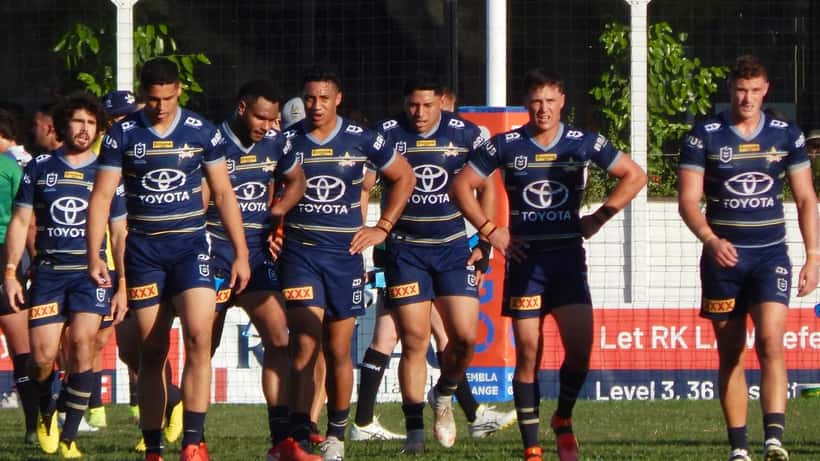
Jason Taumalolo is set to become the North Queensland Cowboys' most capped player in NRL history, surpassing the legendary Johnathan Thurston — a milestone that arrives alongside a dramatic Round 10 golden-point defeat to the Parramatta Eels on 8 May 2026. With Jake Clifford also signing a two-year extension through 2028, the Cowboys' squad news this week is a timely reminder of something that rarely makes the back page: how NRL athletes actually manage their money when career milestones stack up.
Taumalolo's Record and the Wealth Planning Gap
When a player surpasses 300 NRL appearances — as Taumalolo is about to — their earning trajectory looks very different from the average Australian worker. NRL contracts can deliver six-figure annual salaries from relatively young ages, but the playing window typically closes before 35. According to the Australian Sports Commission, financial literacy among elite athletes remains one of the most underserved areas in professional sport.
Taumalolo's milestone, celebrated with great fanfare at Cowboys HQ in Townsville, is also a reminder that long careers generate substantial cumulative income — and that without structured financial advice, many athletes face significant vulnerability when they retire.
"It's not uncommon to see elite NRL players earn upwards of $1 million per season during their peak years," says one wealth management professional familiar with athlete portfolios. "But without a long-term plan, that money can evaporate quickly in lifestyle costs, tax obligations, and post-career business ventures that don't work out."
What Jake Clifford's Contract Extension Reveals
Jake Clifford's two-year extension through 2028 means the Cowboys five-eighth will be in the NRL system until at least his late twenties. That's actually a fairly short horizon by most career standards, yet many professional athletes treat each new contract as a fresh start rather than one chapter in a longer financial story.
A wealth adviser working in the sports sector would typically recommend that players in Clifford's position begin thinking about three key questions:
- Tax efficiency: NRL salaries are subject to standard Australian income tax, but superannuation strategies, salary sacrifice arrangements, and investment structures can make a meaningful difference.
- Income replacement: A footballer who retires at 30 has roughly 35 more working years ahead. How that income gap gets filled matters enormously.
- Business ventures: Many NRL players launch post-career businesses — gyms, real estate, media. Most succeed only with professional guidance from day one.
The Golden-Point Lesson: Preparation Matters
The Cowboys' heartbreaking 33-30 loss to Parramatta on Friday night — Mitchell Moses landing a golden-point field goal after the Cowboys fought back to lead — underscores a theme familiar to anyone in wealth planning: preparation for unexpected outcomes is everything.
Jake Clifford's field goal attempt hit the post in regulation, and the moment the game slipped away. In financial terms, the equivalent is an athlete who misses a superannuation contribution window, fails to diversify beyond their club salary, or neglects income protection insurance during their playing years.
NRL injuries are common. In 2025 alone, more than 40 players spent time on extended injury lists, with many losing weeks or months of game-time. Without appropriate income protection and professional financial structures in place, a season-ending injury at the wrong moment — say, in a golden-point elimination final — can have consequences that follow a player well into retirement.
What Superannuation Means for NRL Athletes
Australia's compulsory superannuation system creates a foundation, but NRL players need to go further. Standard employer super contributions of 11.5% on top of a base salary can grow substantially over a 10-15 year career. But many players do not make voluntary contributions beyond the compulsory minimum, missing years of compound growth.
Financial advisers who specialise in athlete wealth management typically recommend NRL players:
- Maximise concessional contributions — up to $30,000 per year (2026 threshold) in pre-tax super contributions.
- Establish a self-managed super fund (SMSF) — for players earning above $250,000 annually, an SMSF can offer greater control over investment strategy.
- Review life and income protection insurance — especially important during contract years, when injury risk is highest.
- Engage a financial adviser early — ideally before signing a first major contract, not after the playing career ends.
Taumalolo as a Model: Longevity Requires Planning
Taumalolo's record cap count is not just a tribute to his physical conditioning and on-field excellence — it reflects the kind of career longevity that, managed wisely, can set a player up for life beyond football. He has reportedly been one of the most community-minded players in the Cowboys' history, investing time in the Townsville region he calls home.
That community investment mirrors what good wealth planning looks like: sustainable, diversified, and anchored to a longer timeline than the next contract.
For Australian NRL fans watching the Cowboys' historic week, the headlines are about golden points and record caps. But behind those milestones is a real conversation about money, careers, and what comes next — one that every professional athlete eventually has to face.
What to Do If You're Advising an Athlete
If you work with, represent, or are related to a professional sportsperson in Australia, connecting them with a qualified financial adviser is one of the most valuable moves you can make. Look for advisers who:
- Hold an Australian Financial Services Licence (AFSL)
- Have specific experience with athlete incomes and short career windows
- Can demonstrate knowledge of sports salary cap structures and their tax implications
ExpertZoom connects Australians with verified financial advisers and wealth management professionals who understand the unique pressures facing high-income earners with limited career windows. Whether you're a current NRL player or a recently retired athlete, speaking to the right expert early makes all the difference.
Taumalolo's record will be etched into the Cowboys' history books. What happens with the earnings behind it is a story that deserves the same attention.
This article is for informational purposes only and does not constitute financial advice. Consult a licensed Australian financial adviser before making investment or superannuation decisions.
