 Sophie Thompson
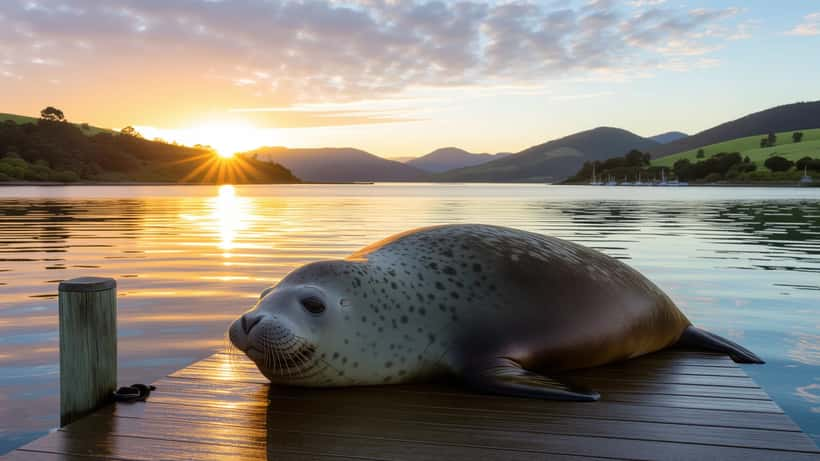
In early 2026, a familiar face lumbered back onto Australian screens. Neil the Seal, the hefty southern elephant seal who has become an unlikely Tasmanian celebrity, was once again lounging on boat ramps, blocking suburban streets, and generating thousands of social-media clips. For most Australians, the footage is a charming reminder of nature’s unpredictability. For experts who work in wildlife law, veterinary medicine, and marine conservation, however, Neil’s reappearance is a timely case study in how quickly a viral animal encounter can turn into a legal, ethical, and safety challenge.
Neil’s story is not new. The elephant seal has been hauling out around Hobart’s eastern shore and the Derwent Estuary for several years, regularly napping on driveways, yacht club jetties, and even the occasional front lawn. Each time he appears, the same questions resurface: Who is responsible for him? Can residents move him? Are the authorities obliged to relocate him? And what should bystanders do if a 600-kilogram seal blocks the path to their car?
Southern elephant seals are protected under Commonwealth and Tasmanian law. They are listed marine species under the Environment Protection and Biodiversity Conservation Act 1999 (EPBC Act), which means interfering with, harassing, or harming one can carry serious penalties, including fines and potential imprisonment. In Tasmania, the Nature Conservation Act 2002 and associated marine wildlife regulations add another layer of protection. The practical consequence is simple: unless you are an authorised officer or a licensed wildlife carer with explicit permission, you should not touch, feed, move, or crowd Neil. Taking a selfie from two metres away may feel harmless, but legally and biologically it can constitute harassment.
This is where expert consultation becomes valuable. Homeowners, marina operators, local councils, and event organisers are increasingly finding themselves at the sharp end of wildlife encounters that have legal and reputational consequences. A vet specialising in marine mammals can advise on whether an animal is injured or simply resting. A wildlife lawyer can explain liability if a seal damages a vessel or injures a person. A marine biologist can help design temporary exclusion zones or public-messaging strategies that keep both the animal and the crowd safe. In Neil’s case, the Department of Natural Resources and Environment Tasmania has typically handled the on-ground response, but private stakeholders still need to understand their obligations before an officer arrives.
One of the most common misconceptions is that a seal on land is a seal in distress. Elephant seals naturally haul out for days or even weeks to moult, rest, or escape rough seas. During the annual moult, they can look visibly uncomfortable, shedding large patches of skin and hair, but this is entirely normal. Bystanders who assume the animal is sick and try to help can inadvertently cause stress, separation from the colony, or dangerous defensive behaviour. Experts recommend a minimum viewing distance of at least 20 metres and a calm, quiet retreat if the seal shows signs of agitation such as head-raising, vocalising, or moving toward people.
For Tasmanian residents and business owners, 2026 has brought another consideration: insurance and liability. If Neil chooses your boat ramp or waterfront café as his preferred resting spot, you may need to temporarily close access, reroute customers, or post warning signage. Failing to take reasonable precautions could expose a business to liability if a customer is injured while trying to approach the seal. At the same time, any action that harms the seal could trigger environmental penalties. Navigating that balance is not intuitive, and many organisations benefit from early advice from a solicitor or risk consultant who understands both wildlife law and public-liability principles.
The media cycle around Neil also highlights the growing role of expert commentary in public-interest wildlife stories. In 2026, several Tasmanian veterinarians, wildlife carers, and legal academics were interviewed by local and national outlets explaining why Neil should be left alone and what the law actually says. Their guidance helped counter misinformation, including false claims that the seal could be relocated overseas or kept in captivity for his own safety. Expert voices serve a dual purpose: they educate the public and reduce the likelihood of well-meaning but illegal interventions.
For anyone who encounters Neil the Seal or another protected marine animal this year, the advice is consistent. Keep dogs on leashes and away from the animal. Do not throw water, food, or objects. Call the relevant wildlife hotline—such as the Tasmanian Department’s Wildlife Management Branch or the local marine conservation officer—and wait for trained help. If the seal is on private property, document its location and behaviour from a safe distance, then seek expert guidance before taking any action that could disturb it.
Neil the Seal is a reminder that Australia’s cities and coastlines remain shared spaces. His celebrity status makes him entertaining, but it also creates real governance, safety, and animal-welfare questions. Whether you are a resident finding a seal on your driveway, a council managing a crowded beach, or a journalist covering the latest viral clip, speaking to a qualified expert before acting is the safest and most lawful path forward.
