 Isla Henderson
Big Sky, Montana has become Australia's most-searched international destination for 2026, with Expedia recording a 92% increase in flight and accommodation searches globally for the resort. For Australians dreaming of powder runs beneath the Big Sky, the numbers are staggering — and the financial planning required is often underestimated.
Why Big Sky is Suddenly Everywhere
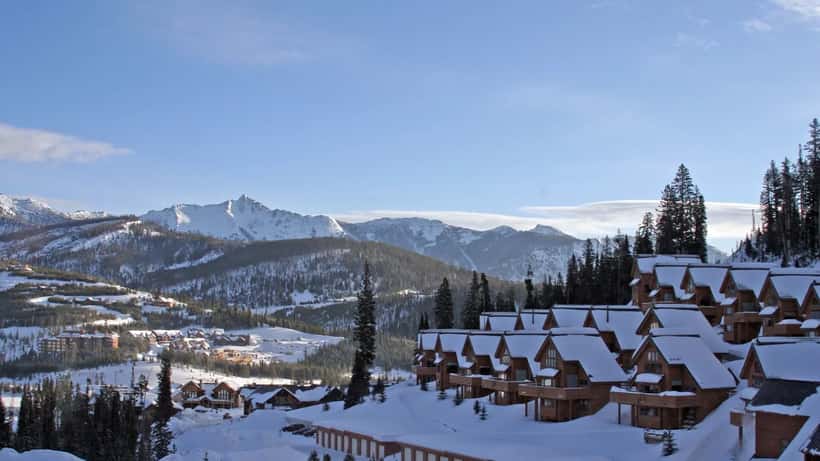
Located an hour's drive from Yellowstone National Park in Montana, USA, Big Sky has undergone a dramatic transformation in recent years to become one of North America's largest ski resorts. With over 5,800 acres of skiable terrain and 35+ lifts, it dwarfs any Australian alpine resort and operates as a year-round destination offering hiking, white-water rafting, and wildlife experiences alongside its world-class skiing.
The surge in Australian interest reflects broader trends: post-pandemic pent-up demand for premium international experiences, a strong Australian dollar making US destinations more accessible, and Big Sky's aggressive global marketing push targeting adventure travellers from the Asia-Pacific region.
But the fantasy and the financial reality can diverge significantly.
The True Cost: What Australians Are Actually Signing Up For
A 10-day trip to Big Sky from Australia is not a budget holiday. Here's what the numbers look like in 2026:
Flights: Return flights from Australia to Bozeman Yellowstone International Airport (BZN) — the closest airport, 45 minutes from the resort — start around $2,500–$3,500 AUD from Sydney or Brisbane. Flight duration is approximately 29 hours with connections.
Accommodation: Mountain Village lodges run $400–$800 USD per night during ski season. Budget-conscious travellers can halve this by staying in Canyon lodges along Highway 191, 15–30 minutes from the resort, at roughly $200–$400 USD per night.
Lift passes: Dynamic pricing means daily tickets range from $98–$222 USD, with advance purchase (two or more days ahead) offering meaningful savings. Multi-day passes reduce the per-day cost further.
All-in estimate: A 10-day trip for one person including flights, accommodation, lift passes, meals, transport, and equipment rental runs between $10,000 and $17,500 AUD. For two adults, budget $20,000–$35,000 before spending money.
The Financial Planning Gaps Most Travellers Miss
A trip of this magnitude deserves proper financial preparation — and many Australians book the flights before thinking through the less glamorous details.
Travel insurance is non-negotiable — but standard policies won't cut it. Most travel insurance policies explicitly exclude snow sports unless you specifically add "Snow Sports Cover" or "Snow Sports+ Cover." A helicopter rescue from a US mountain can cost up to $225,000 USD without proper coverage. The Australian Government's Smartraveller service is direct on this: if you cannot afford travel insurance, you cannot afford to travel.
Non-refundable bookings deserve insurance from day one. For ski holidays exceeding $2,000 per person, travel insurance pays for itself the moment your booking becomes non-refundable. Cancellation cover protects against illness, injury, or lift closure (most policies cover resort closures of more than 24 consecutive hours). The key: insurance must be purchased before any pre-existing condition arises and before your trip deposit is paid.
Currency exposure can blow a budget quietly. All US expenses — accommodation, food, lessons, equipment rental — are priced in USD. A 5% movement in the AUD/USD exchange rate on a $15,000 AUD trip represents $750 in added cost. Locking in exchange rates via travel money cards or forward currency purchases when booking can protect your budget. A wealth adviser can model this into your travel planning.
Tax implications for extended stays. Australians who combine a Big Sky ski trip with a longer US working holiday or remote-work arrangement (common post-COVID) need to be aware of potential US tax obligations. Australia and the United States have a double-tax agreement, but it does not eliminate all filing requirements. For trips over 30 days, consulting a tax specialist before departure is worthwhile.
Smarter Ways to Stretch the Budget
Timing matters more than most travellers realise. February, April, and May are cheaper across both flights and accommodation compared to peak January rates. Booking accommodation immediately after securing flights maximises cancellation protection.
For Australians planning multiple international trips annually, annual multi-trip travel insurance policies — typically $600–$800 AUD per year covering two or three trips — often cost less than separate single-trip policies from a second trip onwards.
A financial planner can also help you evaluate whether funding a $15,000+ ski holiday from savings, a credit card rewards programme, or a redraw facility on your mortgage is the most cost-effective approach for your specific circumstances.
When to Get Expert Help
A trip to Big Sky Montana is an exciting aspiration — but it sits in the same financial territory as a new vehicle purchase or a significant home renovation. For decisions of this scale, a certified financial planner can help you assess whether the timing is right, how to fund it without disrupting long-term financial goals, and which products offer genuine protection versus the illusion of it.
Expert Zoom connects Australians with verified wealth management specialists who understand travel financial planning. Before you click "book," it may be worth a consultation with a wealth adviser to ensure your dream trip does not derail your broader financial plan.
The Australian Government's Smartraveller website also provides up-to-date entry requirements and safety advice for US travel — essential reading before departure.
