 Emie Wang
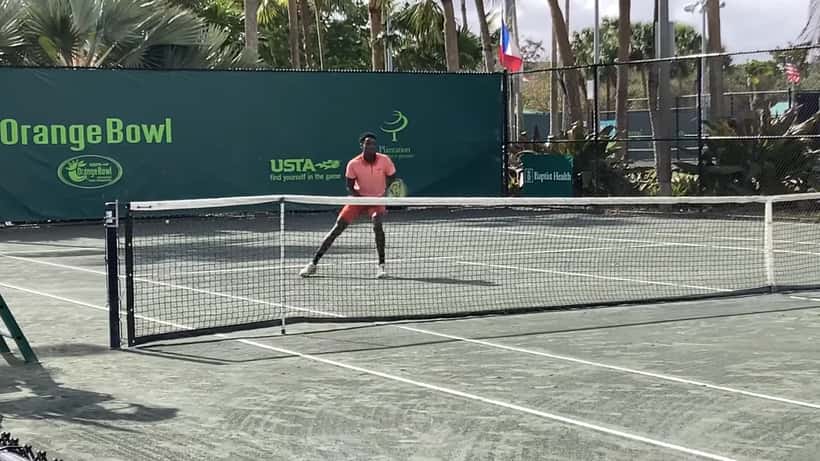
Moise Kouame stepped onto the Roland Garros clay today, May 26, 2026, to face former Grand Slam champion Marin Cilic in the first round of the French Open. He is 16 years old. The French-born player of Ivorian and Cameroonian heritage became the sixth-youngest qualifier on the ATP Tour this century when he debuted at Montpellier earlier this year, and his stated goal is to become World No. 1. His journey onto the main professional tour at such a young age raises a set of questions that every Australian parent of a talented young athlete should be asking: what contracts can a minor sign, who actually protects their interests, and what happens when the management deals come calling?
The Legal Reality of Being a Minor on the Professional Circuit
In Australia, the age of majority is 18. Below that age, contracts are generally voidable at the option of the minor — meaning the young athlete can walk away from an agreement, even after signing it. There is a significant exception, however: contracts for "beneficial service" are typically enforceable even when the signatory is under 18. Professional sports contracts — because they provide income, training, and career development — usually fall into this category.
The practical consequence is that a 16-year-old can be legally bound by a management agreement, endorsement deal, or player representation contract if the court or relevant authority determines it is genuinely in the minor's interest. The burden of proving that benefit can be contested, and it often is when things go wrong.
Parental Consent Is Not Enough on Its Own
In some Australian states and territories, court approval is required for certain contracts involving children — particularly where long terms, significant financial stakes, or restrictions on future employment are involved. A management agreement that locks a 16-year-old into a representation arrangement until they turn 21, for example, may need judicial scrutiny before it is considered enforceable.
Parents who sign on behalf of their child athlete without legal advice sometimes discover years later that the terms they agreed to — commission structures, image rights provisions, restraint-of-trade clauses — are difficult to challenge even after their child becomes an adult. The fact that a guardian gave consent does not automatically protect the minor's long-term interests.
The Working With Children Problem in Junior Sport
Anyone who works regularly with child athletes in Australia must hold a valid Working With Children Check (WWCC) for their state or territory. This applies to coaches, managers, physiotherapists, and other professionals in regular contact with players under 18. The check is not optional, and organisations that engage people who work with child athletes without valid checks can face significant penalties.
This matters practically for parents of talented juniors who are moving into professional circuits: as agents, physiotherapists, strength coaches, and commercial partners start approaching a young athlete, parents need to verify that every adult in their child's professional orbit has current clearance. The responsibility for ensuring this often falls on families rather than tournament organisers.
Three Questions to Ask Before Your Child Signs Anything
1. Does this agreement include a restraint of trade?
Clauses that prevent an athlete from switching agents, coaches, or commercial partners for a set period are common in sports contracts. In Australia, courts can strike out restraint provisions they consider unreasonable — but that requires litigation. Getting these clauses reviewed before signing is far cheaper and less stressful than challenging them afterwards.
2. What happens to image rights and endorsement income?
A player of Kouame's age and profile will attract endorsement interest quickly. Agreements governing use of a minor's name, image, and likeness — including social media rights — need careful drafting. Parents should understand exactly what they are granting, for how long, and under what conditions the arrangement can be terminated.
3. Who has fiduciary duties to the athlete?
Agents and managers owe different legal obligations depending on the jurisdiction and the specific agreement in place. Some management contracts in Australia are structured so that the agent's primary duty runs to a sponsor or tournament rather than the athlete. A lawyer reviewing a proposed management agreement can identify whether the proposed representative is legally obligated to act in your child's best interests — or merely in their own.
The Cost of Getting It Wrong Early
A number of high-profile cases in Australian sport and entertainment law involve young talent who signed unfavourable agreements before their value was fully understood, then spent years and significant legal fees trying to exit or renegotiate them. In one recurring pattern, a minor signs a long-term management agreement; the athlete becomes significantly more successful than anticipated; the manager retains a commission percentage agreed when the stakes were low; and the athlete's legal options for restructuring the deal are limited because the original contract was validly executed.
Kouame's path to Roland Garros at 16 is remarkable. For Australian families navigating their own version of that journey — younger and at lower stakes, perhaps, but following the same professional trajectory — taking legal advice at the contract stage costs a fraction of what it costs to fix problems later.
For official guidance on athlete contracts and restraint of trade provisions in Australian sport, the Queensland Law Handbook provides a comprehensive reference maintained by Queensland's Law Handbook Cooperative.
Disclaimer: This article is for general informational purposes only and does not constitute legal advice. Contract law and child protection laws vary by Australian state and territory. Consult a qualified Australian lawyer for advice specific to your situation.
