 Chloe Kennedy
Mitchell Moses Named 2026 Parramatta Captain: What His Salary Reveals About Athlete Finance
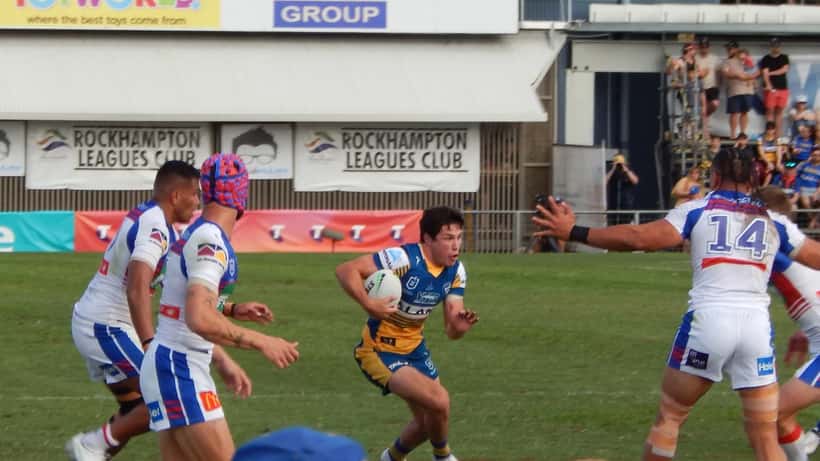
Mitchell Moses is leading the Parramatta Eels into 2026 as their captain — a role that comes with significant on-field responsibility and, according to NRL salary analysts, a package placing him among the competition's top earners. Yet for all the headlines his captaincy generates, the more pressing story for Australian athletes may be what happens off the field, long after the final whistle.
NRL playing careers at elite first-grade level average between five and seven years. For players earning between $500,000 and $1.2 million per season at their peak, that compressed window demands financial decisions that most athletes in their mid-to-late twenties are rarely equipped to make alone.
How Much Does an NRL Captain Earn?
The NRL's salary cap for 2026 sits at approximately $10.3 million per team, distributed across a 30-player squad. Elite halfbacks and captains like Moses typically command contracts in the top salary tier — often between $800,000 and $1.1 million per year, including performance incentives and personal sponsorship arrangements.
That is strong income by any measure. But it also creates a compressed opportunity: a player earning $900,000 per year across six peak seasons accumulates roughly $5.4 million in pre-tax career earnings. After agent fees, Australia's top marginal tax rate, and lifestyle expenses, the actual financial runway can be far shorter than supporters assume.
The Hidden Risk: Short Careers, Long Retirements
Mitchell Moses is 29 years old. Elite rugby league careers rarely extend beyond the mid-thirties. That leaves potentially 40-plus years of post-football life to fund from the wealth generated in fewer than a decade of top-level play.
"Most young athletes treat every pay cycle like permanent income," says one financial adviser experienced with professional sports contracts. "The reality is it's project-based income — and when the project ends, it stops overnight."
This challenge is not limited to high-earning stars. Even a first-grader on $180,000 per year faces the same structural risk: high early income followed by an abrupt income cliff, with no employer superannuation contributions matching what a typical corporate career might accumulate over the same period.
Three Financial Moves Athletes Should Prioritise Now
Wealth advisers working with professional sportspeople consistently recommend three core strategies for players at Mitchell Moses's career stage:
1. Build income-generating assets early. Athletes who invest in property, managed funds, or a business during their playing years reduce their dependence on the playing contract. Financial advisers typically recommend allocating 20–30% of gross income toward long-term capital assets during peak earning years — not saving it in cash.
2. Structure tax exposure correctly. High-income earners in Australia face a marginal rate of 45% on income above $180,001. Without proactive planning — including the use of trusts, company structures, or maximised superannuation contributions — athletes can lose almost half of peak-year earnings to tax. The Australian Securities and Investments Commission's MoneySmart income tax calculator illustrates just how significantly structured planning can alter a high earner's net outcome over time.
3. Plan the post-career identity, not just the bank balance. Athletes who plan financially but not personally often struggle most after retirement. The most effective wealth strategies account for retraining, business development, or media roles that allow athletes to extend their brand value well beyond their playing days.
Sponsorships: The Volatile Income Stream Most Players Mismanage
Moses's 2026 captaincy raises his public profile substantially, creating opportunities for brand partnerships and personal endorsements. For players at his visibility level, sponsorship income can represent 10–20% of total annual earnings — but it is also the most volatile component, frequently tied to on-field results and public sentiment.
Experienced wealth advisers treat sponsorship income as entirely separate from base salary planning. Rather than absorbing it into lifestyle expenditure, the recommended approach is to direct endorsement payments toward capital investments or emergency reserves — creating a financial buffer against seasons when contracts or brand deals do not renew.
Superannuation: The Most Overlooked Tool in an Athlete's Arsenal
Australia's superannuation system is one of the most powerful wealth-building vehicles available to any resident — but elite athletes frequently underutilise it. Voluntary concessional contributions (up to $30,000 per financial year from all sources in 2025–26) allow athletes to reduce their taxable income during high-earning years while building a compounding nest egg they cannot access until preservation age.
For a player earning over $900,000 per year, maximising voluntary super contributions and salary-sacrificing within legal limits can reduce the effective annual tax bill by tens of thousands of dollars — an amount that compounds significantly across a playing career.
What Happens When the Contract Ends?
The Parramatta Eels have Mitchell Moses captaining the club in what the halfback himself has described as one of the toughest periods he has faced as an Eel. Regardless of how the season unfolds, the financial decisions made during years like this — or left unmade — tend to define an athlete's post-football life.
Players who engage a licensed wealth management adviser early in their career are consistently better positioned to manage income volatility, tax exposure, and the transition away from professional sport. For Australians looking to connect with qualified specialists in athlete financial planning and wealth structuring, a platform like Expert Zoom allows you to speak directly with a relevant professional — without navigating the industry alone.
For further context on how NRL contracts and salary cap structures work in 2026, see: NRL Ladder 2026: How Finals Spots Trigger Hidden Contract Clauses.
Disclaimer: This article is for general informational purposes only and does not constitute financial advice. Please consult a licensed financial adviser for guidance specific to your circumstances.
Mitchell Moses's 2026 captaincy season is a reminder that on-field talent does not automatically translate to off-field financial security. The athletes who build lasting wealth are rarely those who earned the most — they are the ones who planned earliest.
