 Olivia Thompson
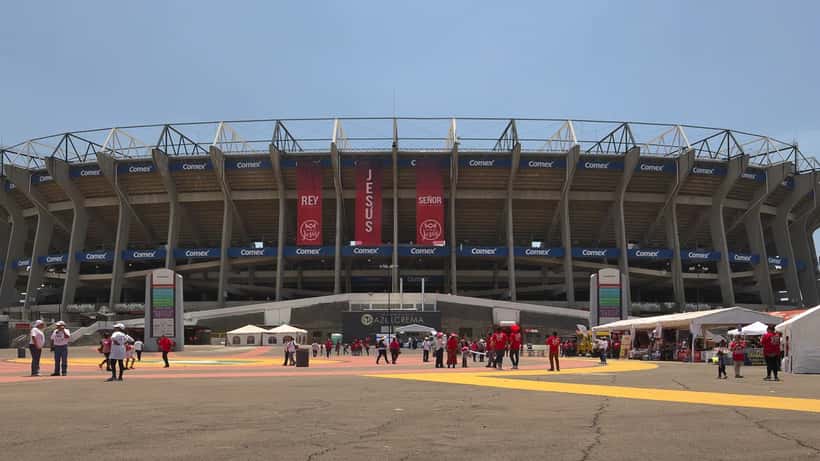
The Round of 16 clash between Mexico and England at the Estadio Azteca in Mexico City on the evening of 5 July 2026 — delayed for over an hour by a dramatic thunderstorm — became one of the most-watched football matches of the 2026 FIFA World Cup in Australia, drawing millions of viewers through SBS and streaming services well past midnight. Behind those viewing figures lies another competition playing out in Australian households: a record-breaking wave of sports betting that financial experts warn could leave many families nursing losses long after the final whistle.
The Scale of the WC2026 Betting Boom
The 2026 FIFA World Cup is on track to become the biggest betting event in global sporting history. More than US$50 billion — approximately $76 billion AUD — is expected to be wagered on the tournament globally, according to Soccerscene.com.au reporting on the wagering industry's own projections. More alarming is the breakdown: only an estimated 31% of that betting flows through licensed, regulated platforms. The remaining 69%, worth approximately $409 billion, flows through unregulated and unlicensed channels, according to data cited by the International Betting Integrity Association.
In Australia, the regulatory picture is shifting rapidly. The federal government's Interactive Gambling Amendment Bill 2026, formally introduced to parliament in June 2026, proposes sweeping restrictions on gambling advertising — including a ban on ads during live sports broadcasts — aimed squarely at protecting consumers from the temptations amplified by high-profile fixtures like Mexico vs England.
A New Legal Landscape Australian Punters Need to Understand
The Australian Communications and Media Authority (ACMA) has made gambling advertising compliance the centrepiece of its 2026–27 enforcement agenda. From 2027, television gambling advertisements will be capped at three per hour between 6:00 am and 8:30 pm, and banned entirely during live sports broadcasts within those hours.
For now, the ads remain. But licensed wagering services in Australia are already required to be authorised by a state or territory licence, and operators who accept in-play bets on live football matches are in breach of existing Australian law under the Interactive Gambling Act. Yet many continue to offer such services through offshore platforms. According to ACMA's guidance on the Interactive Gambling Act, placing bets through unlicensed offshore platforms exposes Australians to zero consumer protection if disputes arise — including no recourse to Australia's dispute resolution mechanisms or compensation schemes.
Where Australian Punters Go Wrong on Nights Like This
Financial planners who work with clients on discretionary spending consistently identify sports betting as one of the most underestimated drains on household budgets. During major tournaments, impulse betting accelerates — a phenomenon behavioural economists call in-game decision bias, where the excitement of a live event overrides rational risk assessment.
For a high-stakes match like Mexico vs England, several factors compounded the risk for Australian bettors. First, the time zone meant Australians were watching at midnight or later on a Sunday evening — decision-making quality declines significantly with fatigue. Second, the emotional charge of a storm-delayed match at the iconic Azteca stadium, with 87,000 supporters roaring in one of football's most electric atmospheres, creates exactly the heightened emotional state that betting operators are skilled at capitalising on through push notifications and live odds updates.
Third, odds shift rapidly during matches. Products such as "cash-out" offers and in-play promotions are engineered to keep money moving through the platform, not to maximise the bettor's returns.
If you've already placed bets and encountered issues with a wagering operator — disputed transactions, withheld winnings, or unclear terms — the legal dimension of World Cup betting in Australia is worth understanding before you escalate a complaint.
What a Wealth Management Expert Would Advise
A qualified wealth management adviser would treat World Cup betting not as harmless entertainment but as a cash-flow item requiring the same scrutiny as any other discretionary spend. The core principle is straightforward: treat your entire WC2026 betting budget as a fixed entertainment expense — like a concert ticket — that you are fully prepared to lose.
Here are five principles financial experts apply to sports betting during major tournaments:
Set a hard ceiling before kick-off. Decide your maximum spend for the whole WC2026 campaign before it began — not per match. If you haven't done so yet, set it now for the remaining fixtures.
Never bet with bill money. Betting platforms should never receive funds earmarked for rent, utilities, groceries, or scheduled savings contributions.
Avoid chasing after a loss. The urge to recover a losing bet with a larger wager is the single most common path to serious financial harm in sports betting contexts.
Ignore enhanced odds promotions. These are marketing tools, not investment strategies. The bookmaker's margin remains constant regardless of how the offer is framed.
Track what you spend. Logging your betting spend monthly — the same way you'd track a streaming subscription — makes the true cost visible before it becomes a problem.
The Bigger Picture: Sport, Spending and Superannuation
The Mexico vs England match sits within a broader trend of Australians spending more on live sport than at any previous World Cup — across streaming, ticketing, merchandise, and wagering. For the average household, the cumulative cost of following the WC2026 can easily reach hundreds of dollars over the course of the tournament.
Enjoying the spectacle is entirely reasonable. But if the close of the 2026 World Cup leaves you carrying credit card debt or a depleted emergency fund, the right next step is a conversation with a wealth management expert. A financial professional can help you build a forward-looking budget — one that keeps the fun in football without derailing superannuation contributions, mortgage offset goals, or other savings milestones that matter long after the tournament ends.
Expert Zoom connects Australians with qualified wealth management advisers who understand household budgeting in the context of today's cost-of-living pressures. Whether you need help recovering from a run of bad bets or simply want a stronger financial framework before the quarterfinals begin, expert advice is available now.
This article is for informational purposes only and does not constitute financial advice. For gambling-related financial support, contact the National Debt Helpline on 1800 007 007.
