 Fred Rivers
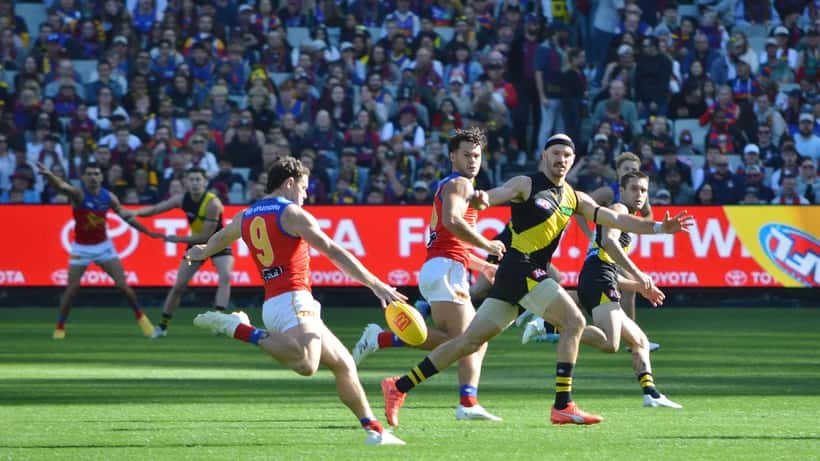
Lachie Neale, one of the most decorated players in Brisbane Lions history and a dual Brownlow medallist, is contracted to the club until the end of 2026. He has not yet signed for 2027. On 1 June 2026, fresh reports linked him to Collingwood — while Neale himself told reporters a decision was still "three or four months away."
For Lions fans, the speculation is agonising. For anyone who works in a professional sport — or advises athletes — it is also a reminder of how little most sportspeople understand about their own contractual and legal position at the moment a decision like this arrives.
How AFL Player Contracts Actually Work
AFL players operate under the AFL Collective Bargaining Agreement (CBA), which is negotiated between the AFL, its clubs, and the AFL Players Association (AFLPA). Unlike most Australian employment relationships, AFL player contracts are not governed primarily by the Fair Work Act — they sit under the industrial relations framework specific to the sport.
Under the CBA, each player signs a binding individual contract with their club, specifying their base pay, performance incentives, term, and the specific conditions under which they can be traded or delisted. For a player like Neale, who is out of contract at the end of 2026, the legal position is straightforward in theory but complex in practice.
Once a player's contract expires, they become a free agent — but only through a carefully defined process. The AFL trade period, held each October, is the primary window for clubs to negotiate player movements. "Free agency" in the AFL is divided into categories: unrestricted free agents (generally those who have played more than eight seasons with the same club) can negotiate directly with any club. Restricted free agents give their current club a right of first refusal.
Neale, at 32 with years of service at Brisbane, would likely fall into the unrestricted free agency category — meaning Brisbane cannot automatically match a rival club's offer. He would have genuine freedom to choose his next destination, subject to salary cap constraints at the receiving club.
What Trade Period Speculation Actually Means Legally
When a club like Collingwood is "linked" to a player still under contract or approaching free agency, the legal terrain gets nuanced. If Neale is still contracted through the end of 2026, any formal approach by Collingwood before the trade period window opens could constitute an AFL rules breach, even if the discussions are informal. The AFL's rules on player poaching are strict: clubs face penalties for tampering — that is, making direct or indirect contact with a contracted player at another club without that club's permission.
The situation is even more layered when personal circumstances intersect with professional ones. Neale's former partner and children have relocated to Perth, which has made Fremantle and West Coast natural targets for speculation. But under the CBA, the location of a player's family has no formal legal weight in the trade process — it is a personal factor that influences the player's own decision, not a right that can be enforced against a club.
This is one of the most misunderstood aspects of professional sport in Australia. According to Sports Australia, the peak national body for sport, athlete welfare — including family circumstances — is an increasingly recognised consideration in high-performance sport management. But welfare considerations and contractual rights are distinct legal concepts.
The Duty of Disclosure: What Players Often Miss
One area where professional athletes frequently lack adequate legal advice is disclosure obligations. If a player holds conversations with a rival club, agent, or third party about potential post-contract employment — even informally — those conversations may create obligations to inform their current club under the AFL's rules, even before the trade period opens.
Younger players in particular often assume that speaking to a rival club's administrator at a social event, or having an agent make preliminary enquiries, is harmless. In fact, these conversations can expose both the player and the agent to formal complaints and proceedings before the AFL's tribunal or internal dispute resolution body.
For a player like Neale, with decades of experience and a well-resourced management team, these risks are likely well managed. For younger AFL players navigating their first significant contract decisions, the picture is often very different. If you are an emerging athlete approaching a similar crossroads, you may want to read about what Murphy Reid's contract extension means for young AFL player rights or what Chad Warner's contract decision illustrates about AFL salary cap negotiations and legal rights.
What Players Lose by Waiting Too Long
In professional sport, the power balance in contract negotiations shifts significantly based on timing. A player who waits until the final year of their contract to negotiate — or who signals publicly that they are "weighing options" — loses significant leverage. Clubs negotiate differently with an in-contract player who wants to extend versus a player who is visibly drifting toward free agency.
This is not just sport psychology. It is a core principle of commercial contract law: once a party signals that they are willing to walk away from a relationship, the other party recalibrates their position accordingly. For Neale, publicly saying the decision is "three or four months away" while Collingwood speculation runs simultaneously creates precisely the kind of open-ended uncertainty that makes clubs reluctant to offer their best terms.
Legal advisers working with professional athletes consistently recommend settling the broad terms of a contract extension before the final season begins — not during it. Once a player is visibly a trade target, their club faces a binary choice: secure them early or begin preparing for life without them.
When to Seek Legal Advice as a Professional Athlete
The AFL trade period is not the only time a player's legal interests are at stake. Employment lawyers and sports law specialists are increasingly involved earlier in athletic careers — reviewing scholarship agreements, initial draft contracts, sponsorship clauses, and image-rights arrangements that younger players sign without fully understanding.
The Neale situation illustrates a broader truth: the most important legal decisions in a professional athlete's career are rarely made in the heat of a trade period. They are made in the quieter months before it — when there is still time to negotiate from a position of strength.
If you are a professional or semi-professional athlete, a coach, or a club administrator navigating contract decisions, consulting a lawyer with sports law expertise — before the trade window, not during it — is almost always money well spent.
This article is for general informational purposes and does not constitute legal advice. Contract rules and regulations can vary significantly depending on the sport, competition level, and individual circumstances. Consult a qualified legal practitioner for advice specific to your situation.
