 Isabelle Torres
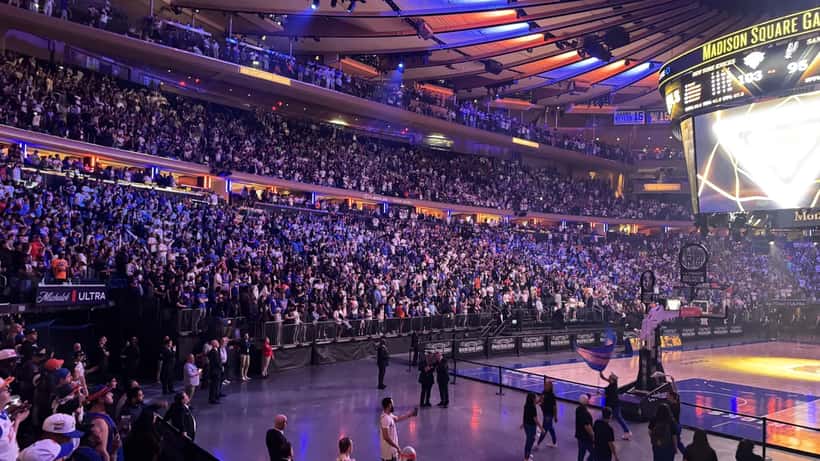
The 2026 NBA Finals between the New York Knicks and San Antonio Spurs have captured global attention — and for Australian sports fans watching Victor Wembanyama dominate the court, there is a legal subplot that dwarfs even the on-court drama. Within days of the championship ending, the 22-year-old Spurs superstar becomes eligible to sign a five-year, $251 million contract extension. That figure is not just a basketball story. It is a masterclass in how elite athletes protect their professional futures.
The $251 Million Question Every Australian Athlete Should Ask
On 6 July 2026 — just days after the confetti settles on the 2026 NBA Finals — Victor Wembanyama becomes eligible to sign the largest rookie extension in NBA history. The five-year deal worth approximately $251 million is the product of years of contract negotiation framework, collective bargaining, and clearly defined player rights under the NBA's Collective Bargaining Agreement (CBA).
For context, New York Knicks star Karl-Anthony Towns simultaneously holds a $62.8 million player option for the 2026–27 season while also being eligible for a new four-year, $272 million extension. Both athletes are navigating some of the most complex sports contract decisions in professional sport — with legal teams guiding every clause.
Australia's sporting landscape rarely sees contracts at these dollar values, but the underlying legal principles apply whether you are playing in the NBA, the AFL, the NBL, or even a semi-professional league in regional New South Wales.
How Guaranteed Contracts Changed Professional Sport
The NBA's guaranteed contract model — in which players are paid in full regardless of injury, form, or even being cut from the roster — is one of the most protective employment structures in global sport. Australian sports lawyers have examined what guaranteed contracts mean for local athletes in earlier playoff matchups this season. It stands in stark contrast to many other leagues, including Australian rules football, where contracts may contain performance clauses, injury clauses, and delisting provisions.
The Knicks' Mitchell Robinson exemplified the reality of playing-through-injury obligations during the 2026 Finals: the centre played with a fractured right pinky finger, listed as probable throughout the series. Under a guaranteed contract, Robinson is paid regardless of whether he plays injured or sits out. The financial security allows athletes — and their legal advisers — to make decisions based on long-term health rather than short-term contract survival.
By contrast, Australian sporting contracts are governed by individual league rules, the Fair Work Act 2009, and standard employment law principles. Many athletes, particularly at the sub-elite level, work under fixed-term contracts that may not guarantee payment if they are delisted mid-season.
The NBA Discipline Angle: Player Safety and Legal Recourse
The 2026 Finals also raised questions about player safety and disciplinary processes. In Game 3, Wembanyama pushed Jalen Brunson in the back of the head — a moment captured on multiple camera angles. The NBA reviewed the incident and declined to assess a retroactive flagrant foul ahead of Game 4.
That decision sparked debate across sporting legal circles. In Australian sports, disciplinary hearings — whether before a club tribunal, a national federation tribunal, or the Australian Sports Tribunal — carry their own procedural rules. Athletes facing suspension, fine, or delisting as a result of on-field conduct have the right to legal representation, the right to present evidence, and the right to appeal.
If you have been suspended or fined by a sporting body in Australia and believe the process was unfair, a sports law specialist can advise you on grounds for appeal and your rights under the relevant governing documents.
Australian Employment Law and Your Sports Contract
Whether you are a professional athlete, a personal trainer working for a sports club, or a sporting organisation's administrator, employment contracts in Australia are governed by the Fair Work Act 2009. Key protections include:
Fixed-term contracts: These must clearly state the employment period. If a sporting club terminates your contract early without cause, you may be entitled to the remaining wages for the contract period.
Restraint of trade clauses: Many sports contracts include clauses that restrict an athlete from signing with a competitor club for a defined period after leaving. Australian courts assess whether such clauses are reasonable in geographic scope, duration, and the legitimate business interest being protected.
Injury and workers' compensation: Athletes injured during training or competition are generally entitled to workers' compensation under state-based schemes. The structure of your employment — whether you are classified as an employee or independent contractor — determines which protections apply.
Performance-based clauses: Contracts that reduce pay or void guarantees based on performance metrics must comply with general protections under the Fair Work Act. Clauses that punish athletes for injury-related performance decline are frequently challenged successfully.
According to Fair Work Australia, any employment contract — regardless of the industry — must meet the minimum standards set by the National Employment Standards (NES). Sporting contracts are not exempt.
What the NBA Finals Tells Australian Sports Fans About Expert Legal Advice
The Knicks–Spurs series has been decided as much by off-court strategy as by on-court talent. Both franchises employ full legal and financial advisory teams. Jalen Brunson negotiated a four-year, $156.5 million extension in 2023 precisely because he had expert legal counsel who understood his market value and long-term leverage.
For athletes and sports professionals in Australia, the lesson is direct: the difference between a contract that protects your income and one that leaves you exposed at the first injury, first form slump, or first coaching change is almost always the quality of legal advice you received before signing.
Whether you are negotiating your first professional contract, contesting a club tribunal decision, navigating a trade clause, or seeking advice on a restraint-of-trade provision, speaking with a sports law specialist before you sign — not after — is the single most effective action you can take.
ExpertZoom connects you with qualified legal experts across Australia who specialise in sports contracts, employment law, and athlete rights. A consultation can clarify your rights and protect your career before a dispute arises.
If you are watching Wembanyama's contract extension unfold in July 2026 and wondering what protections you have in your own sporting career, now is the right time to ask a legal expert.
For general guidance on employment contracts and minimum standards in Australia, visit the Fair Work Ombudsman.
