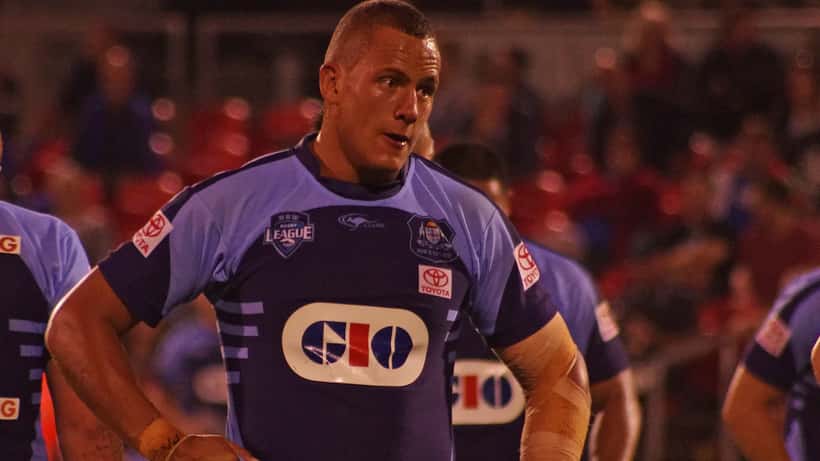
 Theo Manning
Former NRL prop Kane Evans remains without a club contract for the 2026 season, leaving the 34-year-old veteran at a career crossroads that thousands of Australian athletes eventually face. As searches for Evans spike across Australia, his situation highlights a broader issue: what legal and financial protections exist when a sporting career ends without warning?
Evans, who last gained an early release from his English Super League club in May 2023 before joining a new Australian team in March 2024, currently shows no active NRL or Super League contract on official player registers. The 199 cm, 110 kg forward previously played for the Sydney Roosters, Parramatta Eels and New Zealand Warriors during a career spanning more than a decade at the elite level.
Why Kane Evans' Contract Status Matters Now
The timing of Evans' free agency is significant. June marks the midpoint of the NRL season, when clubs typically finalise their rosters for the following year and veteran players without deals face narrowing options. According to Rugby League Players Association data, the average NRL career lasts fewer than five years, meaning Evans has already exceeded typical longevity by a considerable margin.
Yet longevity brings its own challenges. Older players often command higher wages that salary-cap constrained clubs struggle to accommodate. Evans' last confirmed move — gaining an early release from his English club in 2023 — demonstrates how modern rugby league contracts increasingly include mutual termination clauses that can leave players unexpectedly unemployed.
The Legal Landscape for Australian Athletes
Australian sports contracts operate within a unique regulatory environment. Unlike standard employment agreements, player contracts are governed by collective bargaining agreements between the NRL and the Rugby League Players Association, alongside individual club deals. The Fair Work Ombudsman provides general guidance on employment rights, but sporting contracts often contain provisions unfamiliar to conventional employment lawyers.
Key legal considerations for players in Evans' position include:
Early release clauses — Many modern contracts contain mutual option clauses that allow either party to terminate with notice. Players sometimes sign these provisions without fully understanding the financial implications, particularly regarding unpaid signing bonuses or loyalty payments.
Image rights and endorsements — Contract terminations can trigger cascading effects on secondary income streams. Athletes must understand whether their personal brand agreements remain valid independently of club contracts.
Superannuation and retirement planning — The Australian Sports Commission notes that professional athletes often face significant superannuation gaps compared to conventional careers. A 34-year-old without a contract must consider whether existing provisions will sustain decades of post-playing life.
Workers compensation and injury provisions — Players released from contracts may lose access to club medical coverage precisely when accumulated sporting injuries require ongoing treatment.
When Should Athletes Consult Legal Experts?
Sports lawyer experts recommend that athletes seek independent legal advice at three critical career stages: contract negotiation, contract disputes or termination, and retirement planning. Evans' current situation arguably intersects with at least two of these categories.
Contract review specialists can identify hidden clauses that athletes might overlook. For instance, some NRL contracts contain "top-up" agreements separate from the main contract, or third-party arrangements that complicate termination calculations. Without legal review, players may forfeit significant entitlements.
For athletes approaching the end of their careers, estate planning and wealth management become increasingly urgent. The sudden transition from earning six-figure salaries to uncertain income creates psychological and financial stress that specialised consultants can help mitigate.
What Options Exist for Veterans Like Evans?
Several pathways remain available to experienced players without current contracts. The expanding NSW Cup and Queensland Cup competitions offer semi-professional opportunities that maintain playing income while transitioning toward coaching or administrative roles. Additionally, the NRL's welfare and education department provides career transition programs for players facing involuntary retirement.
International opportunities also persist. Lower-tier European leagues and the burgeoning North American rugby league scene occasionally recruit experienced Australian players as marquee signings. However, these moves typically require careful contractual scrutiny, as overseas sporting agreements may fall outside Australian regulatory protections.
For Evans specifically, his recent Australian club experience in 2024 and established reputation could make him attractive to emerging rugby league markets or as a short-term injury replacement during the 2026 season.
Protecting Your Career: Lessons from Evans' Situation
Whether a professional athlete or an amateur competitor with sporting ambitions, several protective measures apply universally:
Maintain comprehensive records of all communications regarding contract negotiations. Verbal promises from club officials rarely carry legal weight without written confirmation.
Understand the distinction between playing contracts, third-party agreements, and sponsorship deals. These may be governed by different laws and terminate under different conditions.
Consider income protection insurance specifically designed for athletes. Standard policies often exclude sporting injuries or career-ending scenarios that specialised products cover.
Plan for multiple career endings. Every athlete faces retirement eventually, but many experience involuntary career interruptions through injury, form slumps, or contractual disputes before reaching their planned retirement date.
The Bottom Line
Kane Evans' search-trending status reflects genuine public interest in how established athletes navigate uncertain career transitions. His situation serves as a case study in why sporting professionals should establish relationships with legal and financial experts before crises emerge, not after. For Australian athletes at any career stage, understanding contractual rights, superannuation obligations, and transition planning represents essential professional preparation — not optional extras.
Disclaimer: This article provides general information only and does not constitute legal or financial advice. Athletes facing contract disputes or career transitions should consult qualified legal professionals for guidance specific to their circumstances.
