 Isla Henderson
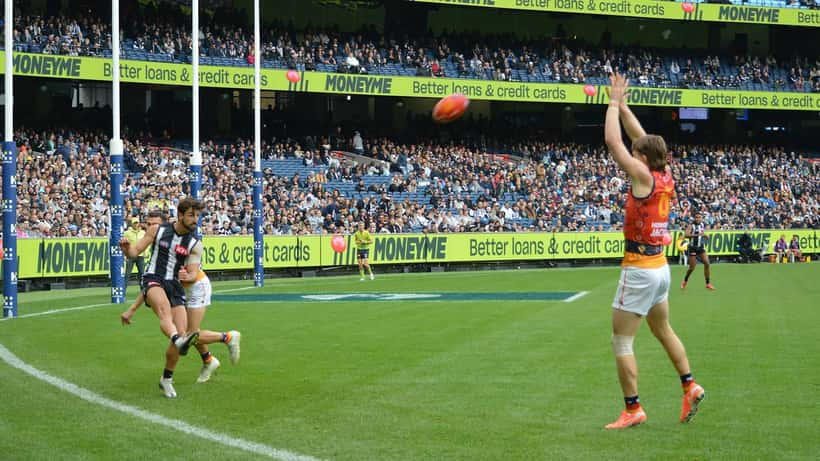
Josh Daicos has just accepted Collingwood's 2026 E.W. Copeland Trophy — the club's best and fairest award — at a ceremony at Crown Melbourne, completing a remarkable personal milestone alongside his brother Nick's Brownlow Medal win earlier this year. While the football world celebrates, wealth management experts say the Daicos brothers' dual recognition is a timely reminder of a financial reality that most AFL players face too late: the earnings window in professional sport is extraordinarily short, and what players do with their money in that window shapes the rest of their lives.
The 2026 Season That Made Josh Daicos Impossible to Ignore
Playing across half-back in every one of Collingwood's 23 regular-season games, Josh Daicos averaged 27.2 disposals and 5.9 marks per contest, delivering the kind of consistent, high-disposal output that wins best and fairest awards — and attracts top-tier contract offers. His disposal efficiency sat at 78.2 percent, making him one of the most reliable ball users in the competition.
The 27-year-old was also named in the 2026 All-Australian Squad of 46, the third time in four seasons that both Daicos brothers have been recognised at the national level. For a player who has often operated slightly in Nick's shadow in the public eye, the Copeland Trophy represents a personal watershed: Josh Daicos is now earning both the recognition and the contract leverage that go with elite-tier performance.
For wealth management professionals, this kind of career-peak moment is exactly when the hard conversations should begin.
What Financial Advisors Say About AFL Career Earnings
The average AFL career lasts approximately eight to ten years, according to data published by the AFL Players Association. For players who enter the competition at 18 and retire at 28–30, that window of premium earnings — often between $400,000 and $1.5 million per year at the elite level — closes precisely when most Australians are just hitting their professional stride.
"The biggest mistake I see with athletes is treating their playing contract like a salary that will go on indefinitely," is the observation consistently made by wealth management specialists who work with professional sportspeople. "An AFL career at the top is compressed income. You might earn in ten years what a lawyer earns in thirty — but you also have thirty-plus years of post-football life that still needs funding."
The financial challenge for top AFL earners operates on three fronts. First, top earners face the 45-percent marginal income tax rate plus the Medicare Levy on earnings above $190,000 — meaning a player on $900,000 a year is handing more than $350,000 to the Australian Tax Office before touching a cent. Second, many players fail to fully utilise the concessional superannuation contribution cap of $30,000 per year — a straightforward, legal tax-reduction mechanism that even most salaried Australians overlook. Third, lifestyle inflation — the cars, properties, and entourage that arrive with sudden high income — quietly erodes wealth that a structured plan would have preserved and compounded.
The Concrete Numbers: What a Peak Year Actually Means
Take this scenario: a 27-year-old AFL half-back earning $850,000 per year in 2026, with a realistic playing career extending to age 32 — five remaining seasons at peak earnings. Without structured financial advice, their trajectory likely looks like this:
Without a wealth management plan:
- Their taxable income triggers the top marginal rate on roughly $660,000 of annual earnings
- Over five years, they pay approximately $3.3 million in income tax
- With only the mandatory employer Superannuation Guarantee (currently 11.5 percent of earnings), their super balance grows — but they forgo the personal concessional contributions up to the $30,000 annual cap, missing approximately $4,500 in tax savings per year
- All passive income from investments made during their playing career is also taxed at their marginal rate
If the same player engages a licensed wealth manager at the start of their peak-earnings window, then the financial trajectory shifts materially:
- Personal concessional contributions are maximised each year, reducing taxable income by up to $30,000 and saving approximately $13,500 in tax annually — that is $67,500 over five years returned directly to the player's own wealth
- A properly structured investment vehicle, such as a family trust, captures passive income at a lower effective tax rate than the marginal personal rate
- A post-football income model is constructed early, preventing the lifestyle-spend cliff that some players encounter at retirement when the income stream suddenly stops
The compounding effect on that additional $67,500 in annual tax savings, invested at a conservative 7 percent annual return over 25 years after retirement, adds approximately $460,000 to the player's long-term wealth position. That is the cost of a late start.
Why the Copeland Trophy Year Is the Trigger, Not the Reward
The AFL's contract system rewards performance demonstrably and immediately. A best-and-fairest season like Josh Daicos's 2026 campaign — averaging 27.2 disposals over 23 games, All-Australian squad selection, club leadership recognition — translates directly into negotiating leverage at the next contract discussion. Peak performance years are also peak earnings years.
This alignment of peak performance with peak income is precisely why financial planning professionals argue that the year an athlete wins a major individual award is not the moment to celebrate — it is the moment to act. The median AFL career ends at 29, according to AFL Players Association data. At 27, Josh Daicos has, statistically, between two and five peak-earnings seasons ahead of him.
The story of AFL players who earned millions but retired with little is a recurring one in Australian sporting history. The AFL Players Association has run financial literacy programs for two decades precisely because the gap between high income and accumulated wealth — understanding the structural difference between the two — is the central financial lesson of a professional sporting career.
The Principles Apply Beyond the AFL
You do not need to be earning AFL-level income to benefit from the same planning principles. Anyone navigating a high-income phase — a tradesperson with strong commercial years, a startup employee holding equity in an acquisition, a contractor at peak billing rates, or a professional receiving a significant bonus — faces the same structural challenge: an elevated-income window that, left unstructured, produces avoidable tax, lifestyle inflation, and missed compounding opportunity.
According to MoneySmart, Australia's government financial guidance service run by ASIC, the key principles for managing a high but time-limited income include: establishing the right legal and investment structures early, working with a licensed financial planner (not just an accountant), and separating lifestyle spending from investment capital before spending patterns are entrenched.
The critical distinction is timing. The structural decisions — superannuation strategy, investment vehicle choice, income splitting arrangements — need to be in place at the beginning of a high-income period, not retrofitted midway through or applied retrospectively at the end.
How to Take Action
A licensed financial planner — as distinct from a financial product salesperson — is regulated under the Corporations Act 2001 and bound by a best-interests duty to the client. They hold or operate under an Australian Financial Services Licence (AFSL).
Before any first meeting, verify their registration on ASIC's Financial Advisers Register, ask whether they operate on a fee-only basis or earn product commissions, and request a Statement of Advice before any product recommendation is implemented.
Platforms like Expert Zoom connect you with verified, qualified wealth management professionals for initial consultations — particularly useful if you are in a high-income phase and need structured advice quickly, without the extended onboarding typical of traditional advisory firms.
Josh Daicos will have qualified advisers in his corner as he enters one of the most financially significant periods of his career. Whether you are celebrating your own professional milestone or simply recognising that your earnings are running ahead of your planning, the time to engage a wealth management specialist is before the peak window narrows — not after.
This article is for informational purposes only and does not constitute personal financial advice. Consult a licensed financial planner for advice tailored to your individual circumstances.
format_used: Expert reaction
