 Olivia Miller
Thousands of Australians gathered at Sidney Myer Music Bowl in Melbourne on 13 March 2026 to break a world record singalong of John Farnham's songs, marking 40 years since the release of Whispering Jack — one of the best-selling Australian albums of all time. Farnham, 76, watched from the sidelines, smiling. He had oral cancer surgery in August 2022 — a 12-hour procedure that removed parts of his mouth and jaw. He is now confirmed cancer-free. His story is more than a comeback. It is one of the most visible reminders of what oral cancer looks like, what it costs, and why early detection saves lives.
What Happened to John Farnham
In August 2022, Farnham underwent emergency surgery after being diagnosed with oral cancer — specifically, squamous cell carcinoma of the mouth. The 12-hour procedure at the Royal Melbourne Hospital involved the removal of cancerous tissue from his mouth and jaw, followed by reconstructive surgery. He then completed eight weeks of radiation therapy.
In July 2024, his medical team confirmed he was cancer-free — a milestone his family had shared in a public statement. By early 2026, he was making rare public appearances: photographed smiling with his wife Jillian, his family, and long-time friend Denise Drysdale.
The outpouring of public support throughout his treatment — and the fundraising campaign that helped cover his significant medical costs — brought oral cancer into mainstream Australian conversation in a way that no public health campaign had managed before.
What Is Oral Cancer and Who Is at Risk?
Oral cancer refers to cancer that develops in any part of the mouth: the lips, tongue, cheeks, floor of the mouth, hard and soft palate, sinuses, and throat. According to Cancer Australia, head and neck cancers — including oral cancers — account for around 5% of all cancers diagnosed in Australia each year, with approximately 5,200 new cases of mouth and oropharyngeal cancer diagnosed annually.
The major risk factors include:
- Tobacco and alcohol use: The combination of smoking and heavy drinking significantly multiplies oral cancer risk
- HPV infection: Human papillomavirus (HPV), particularly HPV-16, is now linked to a growing proportion of oropharyngeal cancers — especially in non-smokers
- Sun exposure: Lip cancer is associated with prolonged UV exposure
- Poor oral hygiene and diet: A diet low in fruits and vegetables is linked to higher oral cancer risk
- Age: Risk increases with age, though HPV-related oral cancers are affecting younger cohorts
Men are diagnosed at roughly twice the rate of women in Australia, though the gap is narrowing as HPV-related cases increase among younger adults.
The Symptoms That Are Easy to Miss
Oral cancer is often diagnosed late — because the early symptoms are easy to dismiss as minor irritations. The signs to watch for include:
- A sore or ulcer in the mouth that does not heal within two to three weeks
- A red or white patch inside the mouth (leukoplakia or erythroplakia)
- A lump or thickening in the cheek, tongue, or lip
- Difficulty chewing, swallowing, or moving the tongue or jaw
- Persistent hoarseness or change in voice
- Unexplained numbness in the mouth or face
- Ear pain without obvious infection
The critical factor is persistence. Most mouth ulcers from minor injury or illness resolve within 10 to 14 days. If a sore, patch, or lump is still present after three weeks, it warrants a dental or medical review — no exceptions.
Early Detection: Why the Timeline Matters
The five-year survival rate for oral cancer caught at Stage I (localised, small tumour) is over 80%. When diagnosed at Stage IV — after the cancer has spread to lymph nodes or other structures — that rate drops below 40%. This gap is entirely attributable to the timing of diagnosis.
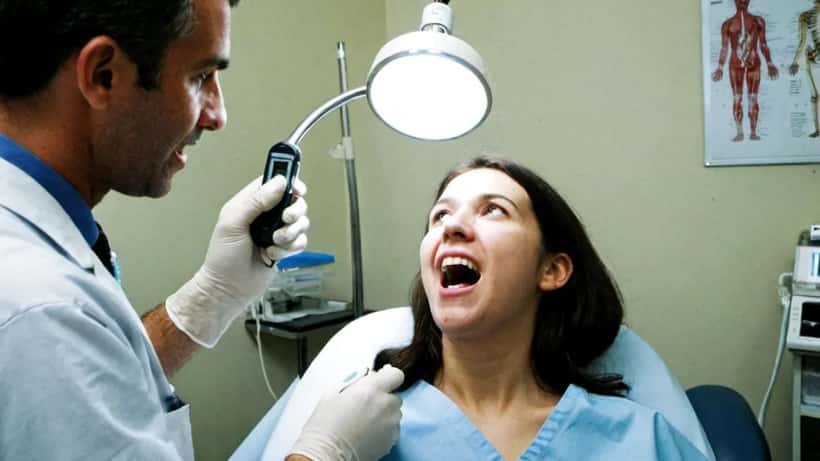
Dentists are typically the first line of detection for oral cancers: they see the inside of your mouth more regularly than your GP, and a routine dental check includes visual inspection of oral tissues. Australian dental guidelines recommend that dentists conduct an oral cancer screening at every check-up.
If you haven't been to a dentist in over 12 months, John Farnham's story is reason enough to book an appointment.
When to See a Doctor
If you notice any of the symptoms above, particularly a persistent sore or lump, see your GP or dentist promptly. They can:
- Conduct a visual and tactile oral examination
- Refer you for a biopsy if a suspicious lesion is identified
- Refer you to an oral and maxillofacial surgeon or ENT specialist for further assessment
A GP can also help you understand your HPV vaccination options — the HPV vaccine (available free under Australia's National Immunisation Program for young people) protects against the strains most associated with oral and cervical cancers.
On Expert Zoom, you can read more about the importance of cancer symptom awareness and early detection — told through the story of another well-known Australian's diagnosis.
Medical disclaimer: This article provides general health information only and does not constitute medical advice. If you have any concerns about oral health symptoms, consult your GP or dentist promptly.
