 Fred Rivers
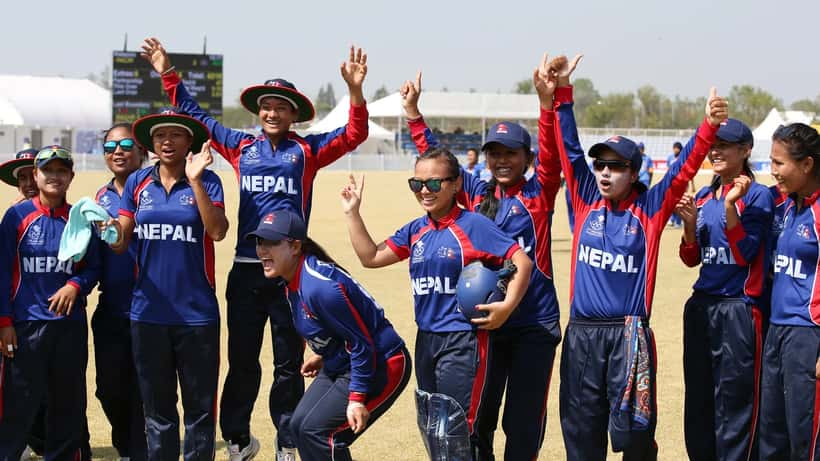
Today's Japan vs Nepal clash in Group A of the Asian Games 2026 Cricket Competition is more than a landmark moment for associate cricket in Asia. For thousands of Australians watching with a bet on the line, it is also unfolding against the backdrop of the most significant shake-up to Australian gambling law in over two decades.
On 19 August 2026, the Australian Parliament passed the Interactive Gambling Amendment (Gambling Reform) Bill 2026 — a sweeping overhaul that restricts gambling advertising across television, radio, digital platforms, and sports venues, and introduces a national opt-out register for the first time. The law takes effect on 1 January 2027. But understanding what it changes — and what it does not yet change — could save you from a costly mistake before the final ball is bowled today in Nisshin.
What Just Changed at Parliament House
The Interactive Gambling Amendment (Gambling Reform) Bill 2026 passed with broad cross-party support on 19 August 2026, introducing provisions that will fundamentally reshape how sports betting — including cricket wagering — operates in Australia.
Key provisions taking effect from 1 January 2027:
Gambling advertising blackout across sports media. Operators will be prohibited from advertising online sports betting via television, radio, digital platforms, and in and around sports venues. The promotional odds currently flashing during cricket broadcasts — including international associate matches like Asian Games cricket — will be banned. Any operator continuing to advertise after that date faces substantially increased ACMA penalties.
National opt-out register. For the first time in Australia, a national database will allow citizens to register and opt out of all direct marketing from gambling operators. Modelled on the existing Do Not Call Register and administered by the Australian Communications and Media Authority (ACMA), it gives consumers a single point of control over gambling marketing across every licensed platform.
Expanded ACMA enforcement powers. ACMA's oversight role is strengthened, with new investigative tools and higher civil penalties for non-compliant operators.
What does not change: under the existing Interactive Gambling Act 2001 (IGA), online in-play betting on cricket matches remains prohibited right now. Once the first ball is bowled in today's JPN vs NEP match, you cannot legally place a new bet online. Only licensed physical venues and telephone services remain lawful channels for in-play wagering.
How a Consumer Solicitor Reads Your Betting Contract
Australia's sports betting market operates through a layered legal framework that most punters engage with every time they click "Confirm Bet" — without ever reviewing the fine print. A solicitor specialising in consumer or gambling law would identify several distinctions that directly govern your rights if something goes wrong on a day like today.
Your bet is a contract. When you place a pre-match wager on Japan vs Nepal, you are entering a legally binding agreement with your operator. The terms are set by the operator, but they cannot override protections in the Australian Consumer Law (ACL), particularly the unfair contract terms regime in Schedule 2 of the Competition and Consumer Act 2010.
"Pricing error" clauses are not unlimited. Many bookmakers include terms allowing them to void bets placed due to "palpable errors" or "system errors." Whether invoking this clause is lawful depends on three things: how clearly the alleged error was defined in the terms, how promptly the operator acted, and whether the clause itself would be considered unfair under s 23 of the ACL.
Associate cricket markets carry higher dispute risk. According to sports betting industry data from 2025–26, markets on associate cricket nations — Japan, Nepal, and other Asian Games participants — are significantly less liquid than Tier 1 markets. Lower liquidity increases the probability of pricing anomalies that operators may retrospectively void, often citing "system issues" that would not withstand legal scrutiny if challenged.
For Australian consumers following the JPN vs NEP match today, understanding these dynamics matters. The excitement of a landmark Asian Games cricket fixture should not obscure the fact that associate cricket betting markets are where consumer disputes are most likely to arise.
You can find additional context on how sporting events create expert consultation needs at Japan vs Nepal at Asian Games 2026: The Cricket Injury Angle Australians Are Ignoring.
Concrete Case: The AU$300 Bet That Gets Voided
Here is a scenario that illustrates exactly how Australia's current and incoming legal frameworks apply to a real betting situation arising from today's match:
The setup: On 25 September 2026, you place a pre-match bet of AU$300 on Nepal to win against Japan at odds of 1.65 on a licensed Australian platform. Nepal are firm favourites based on their ICC Associate rankings. Your potential payout: AU$495 — a AU$195 profit.
The dispute: On match day, 26 September 2026, within 45 minutes of the toss, your account shows the bet has been cancelled. The operator's system notification reads: "This bet has been voided due to a system pricing error. Your stake of AU$300 has been returned to your account."
What the law says: For this void to be lawful, the operator must demonstrate three things: (1) a genuine pricing error occurred — not merely an unfavourable market movement after Nepal's strong start — (2) the error was detected and communicated promptly, meaning before significant match conditions changed; and (3) the cancellation clause is not "unfair" within the meaning of the ACL.
The financial threshold that matters: The Australian Financial Complaints Authority (AFCA) has jurisdiction over disputes with licensed financial services providers, including licensed sports betting operators. For claims under AU$25,000, the AFCA resolution process is free for consumers. If your AU$300 bet was voided after Nepal's opening partnership had already shifted the market in your favour — making the "pricing error" rationale questionable — you have a viable complaint pathway that costs you nothing to initiate.
If your voided bet exceeds AU$1,000: The time spent gathering documentation and drafting a formal complaint is substantially justified. A brief consultation with a consumer law solicitor — typically AU$150 to AU$300 for an initial appointment — can tell you within 30 minutes whether you have grounds to pursue the matter through AFCA or through a direct legal letter to the operator.
Timeline: AFCA requires complaints to be lodged within two years of the disputed event. Do not allow the details to fade.
What the 2026 Reforms Mean for the Rest of This Cricket Season
The Interactive Gambling Amendment (Gambling Reform) Bill 2026 does not yet affect your betting rights during the current Asian Games cricket season — its key provisions commence 1 January 2027. But several implications are already taking shape.
Advertising changes from 2027 will alter your decision-making environment. If you currently rely on boosted odds or promotional offers advertised during cricket broadcasts to identify value bets, your process will change materially within three months. Operators will not be permitted to flash odds or promotions during the Asian Games 2027, or during any cricket broadcast after 1 January 2027.
In-play online betting remains prohibited today. The JPN vs NEP match is live. Under the IGA 2001, placing an online in-play bet is currently illegal for Australian residents. The 2026 reforms do not change this restriction — they address advertising, not the prohibited services regime itself.
The opt-out register will launch in early 2027. Until it is operational, you can still request removal from individual operator marketing lists under the Privacy Act 1988. Licensed Australian operators are required to honour such requests.
Disclaimer: This article provides general information about Australian gambling law as at September 2026 and does not constitute legal advice. For advice specific to your circumstances, consult a qualified solicitor.
What You Should Do Before the Stumps Are Drawn
Whether you are watching Japan vs Nepal today for the cricket or managing a bet, three steps are recommended:
Verify your operator's ACMA licence. Before placing any bet on an international cricket event, check the ACMA's public register of licensed Australian gambling service providers. Unlicensed offshore operators offer no consumer protection under Australian law — your funds are legally unrecoverable if a dispute arises.
Keep bet confirmation records. Screenshot your bet confirmation, including the listed odds, stake amount, and timestamp. In every AFCA dispute about bet voiding, documented evidence from the moment of placement is the single most important factor.
Know when to escalate. If a bet is voided after market conditions moved in your favour, the operator's "pricing error" explanation deserves scrutiny. AFCA is the right first step for claims under AU$25,000. A solicitor is the resource for anything more complex, more valuable, or where the operator fails to respond within eight weeks.
The Japan vs Nepal Asian Games 2026 cricket match is a single fixture on a September afternoon. Australia's gambling law reforms will reshape the entire cricket betting landscape from the new year. Understanding both puts you in the strongest possible position — as a fan and as a consumer.
format_used: Expert reaction
