 Mia Jones
Jannik Sinner's anti-doping case, resolved in early 2025 after the World Anti-Doping Agency (WADA) appealed his initial clearance, sent shockwaves through professional tennis and reignited debate about how doping accusations are handled in elite sport. For Australian athletes, coaches, and managers, the case is a powerful reminder that anti-doping law is complex, fast-moving, and carries consequences that extend well beyond the tennis court.
What Happened With Jannik Sinner
In 2024, the Italian world number one tested positive for clostebol — an anabolic steroid — at Indian Wells. Sinner attributed the contamination to a massage oil used by his physiotherapist. An independent tribunal initially cleared him, accepting that he bore no significant fault. WADA challenged that ruling, and in February 2025 the Court of Arbitration for Sport (CAS) handed Sinner a three-month ban, beginning in February 2025 — a compromise ruling that satisfied neither WADA nor Sinner's legal team.
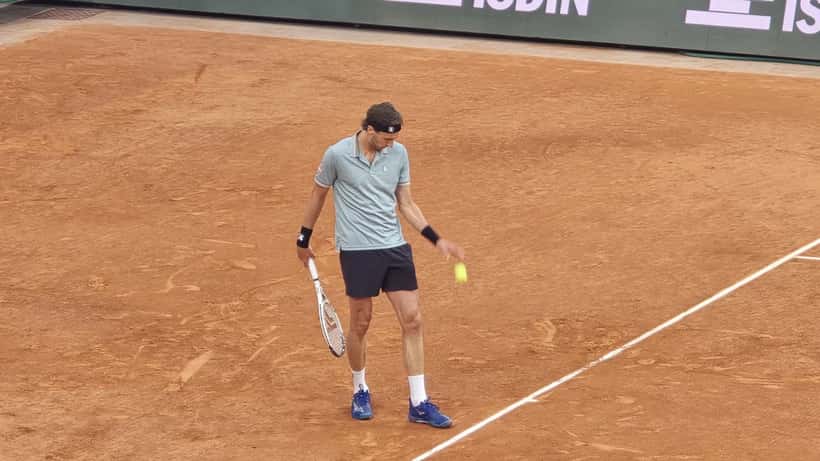
By April 2026, Sinner has returned to the top of the ATP rankings and is competing at the clay-court season's biggest events. But the case continues to generate commentary about athlete rights, contamination defences, and the standard of proof required to establish fault.
Australia's Anti-Doping Framework
Australia has its own strict anti-doping regime administered by the Australian Sports Anti-Doping Authority (ASADA), which operates under the Australian Sports Anti-Doping Authority Act 2006. ASADA is responsible for testing, investigating, and prosecuting anti-doping violations across all Olympic and many non-Olympic sports.
The key regulatory framework is the Sport Integrity Australia (SIA) National Anti-Doping Policy, which mirrors the World Anti-Doping Code — the same code that governed the Sinner case internationally. Under this framework, strict liability applies: an athlete is responsible for any prohibited substance found in their body, regardless of how it got there.
Strict Liability: What It Means in Practice
The doctrine of strict liability is one of the most contentious aspects of anti-doping law, and the Sinner case illustrates its consequences vividly. Under strict liability, the athlete does not need to have intended to cheat — the presence of the substance is sufficient to establish a violation.
However, athletes can reduce or eliminate sanctions if they can demonstrate "no fault or negligence" or "no significant fault or negligence." These are the two defences available under the World Anti-Doping Code, and their application is highly fact-specific.
Sinner's case turned on whether his physiotherapist's use of a contaminated product constituted a sufficient defence. The CAS accepted a degree of contamination explanation but found that Sinner bore some level of negligence for not supervising his support staff's use of supplements and topical products.
For Australian athletes, this has direct implications. A rugby union player whose massage therapist uses a contaminated cream; a cyclist who inadvertently ingests a prohibited substance through a supplement purchased at a pharmacy; a swimmer whose team nutritionist adds a banned ingredient to a recovery shake — all of these scenarios could trigger strict liability under Australian anti-doping rules.
What Australian Athletes Should Do to Protect Themselves
1. Know your support staff's products. Under anti-doping rules, athletes are responsible for the substances in their bodies — and for the actions of people who work with them. Every supplement, medication, and topical product used by support personnel should be checked against the WADA prohibited list, available through Sport Integrity Australia's website.
2. Use certified supplements. The Informed Sport programme batch-tests supplements for prohibited substances and provides a certification standard widely recognised in Australian professional sport. Using certified products does not guarantee safety but significantly reduces legal risk.
3. Apply for a Therapeutic Use Exemption (TUE) before using prohibited medications. Australian athletes requiring banned medications for legitimate medical conditions can apply for a TUE through Sport Integrity Australia. Failing to obtain a TUE before testing positive — even if the medication is medically necessary — creates significant legal exposure.
4. Document everything. If you receive contaminated medical treatment, document every detail immediately: what was used, by whom, when, and where it was purchased. This documentation forms the evidentiary basis of any contamination defence.
5. Seek legal advice early. The moment you receive notification of an adverse analytical finding, legal advice is essential. The procedural timeline in Australian anti-doping cases moves quickly, and deadlines for providing an explanation or requesting a hearing can be very short.
The Role of a Sports Lawyer in Anti-Doping Cases
A specialist sports lawyer can make a decisive difference in anti-doping proceedings. Their role includes:
- Advising on the strength of available defences (no fault, no significant fault, contamination)
- Managing procedural compliance with ASADA notifications and response deadlines
- Preparing and presenting evidence to a sporting tribunal
- Appealing adverse decisions to Sport Integrity Australia's appeals process, or ultimately to the CAS
- Advising on employment and commercial implications — sponsorship contracts, team selection, media obligations — that flow from a provisional suspension
The Sinner case demonstrated that even athletes with significant resources and experienced legal teams face uncertainty in these proceedings. For Australian club athletes, amateur competitors, and semi-professional players, navigating this system without expert legal guidance is significantly more difficult.
Financial Consequences Beyond the Ban
An anti-doping violation in Australia can affect far more than your competition schedule. Provisional suspensions during investigations can trigger sponsorship contract clauses. Some contracts include warranties that the athlete will not be found in violation of anti-doping rules — a finding against you could lead to a demand for repayment of sponsorship fees already received.
Coaches and support staff found to have facilitated an anti-doping violation face their own separate sanctions, including potential bans from sport and, in serious cases, criminal liability under Australia's criminal law for providing prohibited performance-enhancing drugs.
A legal expert in sports law and contract law can review your commercial contracts, advise on your obligations during a suspension period, and help you manage public communications in a way that does not prejudice your legal position.
Get Expert Legal Advice Through Expert Zoom
Whether you are a professional athlete, an amateur competitor, a coach, or a sporting organisation, anti-doping law in Australia is a serious legal area that demands specialist expertise. Expert Zoom connects you with qualified legal experts who specialise in sports law and can provide clear, practical advice tailored to your circumstances.
This article is for general informational purposes and does not constitute legal advice. Consult a qualified sports lawyer for advice specific to your situation.
