 Olivia Taylor
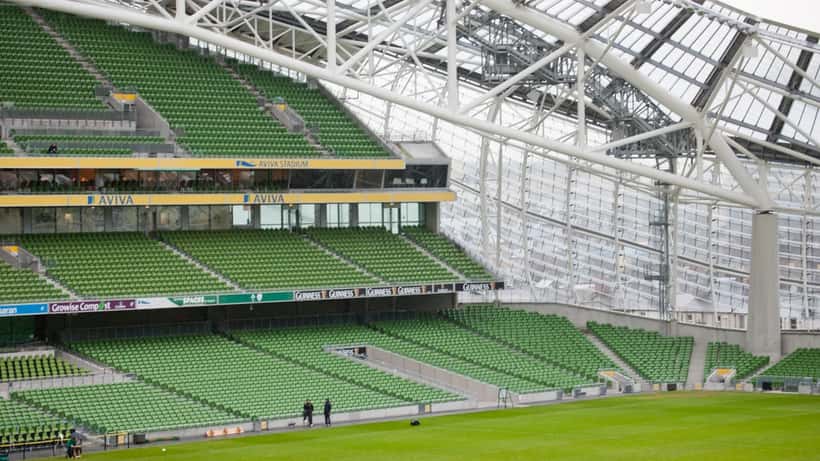
Ireland beat Qatar 1-0 at the Aviva Stadium on 28 May 2026 in an international friendly built around the 2026 FIFA World Cup window. Nathan Collins headed in inside the opening minutes. The match then turned on two straight red cards: Jack Moylan dismissed for Ireland, Almoez Ali sent off for Qatar a short time later, leaving most of the second half played 10-against-10. The result is meaningful for both squads. The medical subplot is more interesting to anyone who has ever played weekend football in Australia.
Down-a-man situations look like tactical curiosities on television. To sports medicine doctors, they are one of the cleanest natural experiments in football injury science. The Aviva match gave a 25,000-strong crowd, two coaching staffs, and a global TV audience a four-minute case study in why fatigue-driven injuries spike when teams play short-handed.
Why injury risk rises after a red card
Three peer-reviewed mechanisms come into play almost the moment a referee shows a red card, according to studies indexed on PubMed by sports-medicine researchers at FIFPRO's medical advisory board.
- Cardiac output rises sharply. Players have to cover roughly 10% more ground per minute. Heart rates settle 8-12 beats per minute higher than in the previous game half.
- Eccentric muscle load doubles for the wide players. Wingers turned into makeshift wing-backs sprint, decelerate and sprint again. Hamstring injury rates in down-a-man halves are approximately 1.7 times higher than in matched control halves, per the UEFA Elite Club Injury Study.
- Decision speed degrades. Cognitive fatigue under sustained running raises non-contact ACL events. The 2024 Aspetar consensus statement on ACL injury in football identified the final 15 minutes of any match — exacerbated by being a man down — as the highest-risk window.
These figures are drawn from elite men's football. For amateur and semi-professional players in Australia's Northern Premier Leagues and state federations, the proportional risk is higher again because conditioning bases sit further from match demands.
What the Ireland v Qatar match showed in real time
Jack Moylan's dismissal forced Ireland into a 4-4-1 with Evan Ferguson isolated up top. Qatar then lost Almoez Ali and reverted to a similar shape. The next 35 minutes featured the kind of half-pace, half-sprint football where soft-tissue injuries cluster. According to ESPN's match centre, three players received on-field treatment after the dismissals — a notable count for an international friendly.
None of those treatments converted into reported injuries, but FIFPRO's data is clear: the late-half soft-tissue events that show up in MRI scans 48 hours later are the ones that matter. Many tournaments lose squad members not in matches but in the two days following.
The expert angle: what an Australian sports doctor does in the 48-hour window
A specialist sports and exercise medicine physician will run a standard protocol for any player coming off a down-a-man match, whether they are Socceroos in international camp or a Sydney over-35s side preparing for the next weekend.
- Same-evening clinical screen. Tenderness mapping on hamstrings, calves, adductors and groin. A two-minute exam often picks up Grade I strains before they become Grade II tears.
- 24-hour subjective wellness. Validated questionnaires such as the Hooper Index track perceived fatigue, sleep quality, soreness and mood. Three deviations from baseline triggers a load review.
- 48-hour functional re-test. Single-leg countermovement jump, 30-metre sprint timing or simple GPS Z-score comparison against the player's seasonal baseline. The Australian Institute of Sport publishes thresholds widely used in domestic clubs.
- Medical clearance to return. A sports doctor can clear a player for full training only after symmetry is restored. Sending a 90% player back into a 10v11 training scenario is how clubs lose months of availability.
The full official Australian guidance on managing sports injuries, recovery timelines and return-to-play criteria is published by Sports Medicine Australia.
Why this matters for Australian footballers and parents
Football Australia counted 1.97 million registered participants in its 2024 census. The participation curve peaks in the 13-19 age band. Junior and youth coaches across NSW, Victoria and Queensland routinely manage 10v11 scenarios after a red card or a player vomiting on the touchline.
Two patterns from the elite literature translate down to the community game:
- Substitute generously. If a side drops to 10, rotate the wide players every 12-15 minutes. Hamstring loads concentrate on whoever covers that flank.
- Watch the next training session, not the match. Most non-contact strains present 24-48 hours later. A Tuesday morning physio screen catches the Saturday damage.
The bigger picture for the 2026 World Cup
Ireland and Qatar are two of dozens of national federations using the May-June international windows to test selection scenarios before the World Cup expands to 48 teams. The medical question every federation is now modelling is how to manage soft-tissue load across an extended tournament with a fatigued squad. The answer the Aspetar consensus has converged on: more imaging, more recovery time, and a low threshold for substitution in any match where a team is reduced to 10.
For Australian readers watching the Socceroos through their own qualifying window, the takeaway is simple. Sports medicine is no longer optional kit for elite football, and the same principles — rapid screening, validated wellness questionnaires, conservative return-to-play — work just as well for a weekend amateur as they do for a player at the Aviva.
This article is general information only and does not replace individual medical advice. Anyone with a suspected soft-tissue injury should consult a registered sports doctor or physiotherapist.
