 Isla Henderson
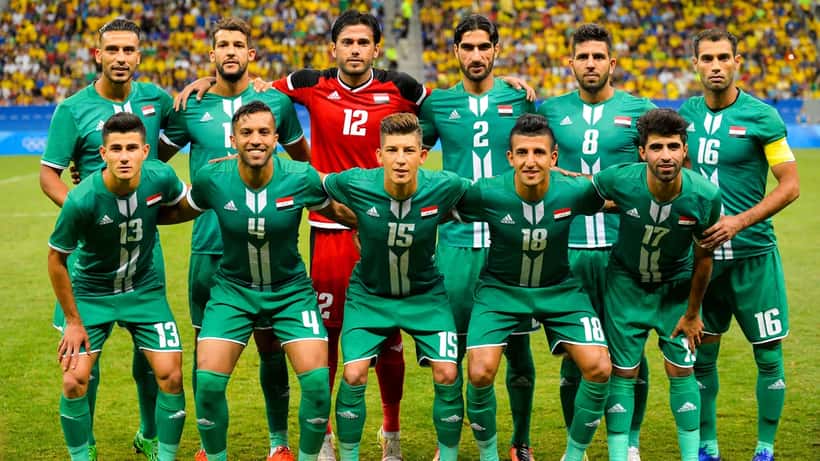
Venezuela beat Iraq 5-2 in an international friendly at SeatGeek Stadium in Illinois on June 9, 2026, but the scoreline barely captures what the match meant. For Iraq, it was the final dress rehearsal before their first FIFA World Cup appearance in 40 years — and the financial implications of that return are only beginning to unfold.
Iraq's Historic Return to the World Cup Stage
Iraq's qualification for the 2026 FIFA World Cup in the United States, Canada, and Mexico ended a 40-year absence that began after their only previous tournament appearance in Mexico in 1986. They clinched their place with a decisive 2-1 victory over the UAE in the Asian Play-Off Tournament, and now face France, Senegal, and Norway in Group E — matches scheduled at major American venues from mid-June onwards.
The Venezuela friendly was the penultimate preparation match for a squad that has spent years in relative international obscurity, playing almost entirely in the Asian confederation with minimal global media coverage. That changes the moment the 2026 World Cup begins.
The Financial Transformation That Comes With a World Cup Appearance
For players who have built their careers in the Iraqi Premier League or mid-tier Asian clubs, the commercial reality of appearing at a World Cup is transformative. Sponsorship enquiries, boot deals, jersey licensing agreements, and appearance fees from clubs seeking name recognition will arrive quickly — and without proper financial planning, the window can close just as fast.
Research consistently shows that professional athletes without structured financial advice are disproportionately likely to face financial distress within five years of their peak earning period. The World Cup amplifies both the income and the risk. Iraqi players entering the global spotlight in 2026 face a compressed timeline in which every financial decision made — or not made — carries long-term consequences.
What Australian Wealth Management Advisors Need to Know About Athlete Contracts
Australia has a significant Iraqi diaspora, and some Iraqi-Australian athletes have followed the team's journey closely. But the lessons Iraq's World Cup windfall illustrates are universal for any athlete — or anyone who advises them.
Performance bonuses and their tax treatment. Iraq's Football Association, like many national federations, distributes FIFA's World Cup participation payment (FIFA pays participating nations significant sums directly to their football associations) through a combination of squad bonuses and federation reinvestment. Individual players who receive bonuses need to understand how these are treated under their country of residence's tax law. For Australian residents who receive performance payments from overseas sporting bodies, the Australian Taxation Office treats these as assessable income regardless of where they are physically received.
Endorsement income timelines. Sponsorship deals negotiated during or immediately after a World Cup often include milestone payment structures tied to performance, media appearances, or social media metrics. Athletes unfamiliar with contract structures can find themselves locked into restrictive exclusivity clauses that prevent them from accepting more lucrative offers as their profile grows.
Currency risk. Players earning in USD, EUR, or Iraqi dinars who are resident in Australia face real currency fluctuation risk that many fail to account for in their financial projections. A deal that appears lucrative when signed in June 2026 may be worth significantly less if exchange rates shift before the final payments clear.
The Lessons From Other Nations' World Cup Returns
Iraq's situation echoes the experiences of other footballing nations that have returned to the World Cup after long absences. When smaller federations return to the global stage, their commercial infrastructure is rarely ready for the speed at which commercial interest arrives. Agents, sponsors, and clubs move quickly to lock in deals before the tournament ends — leaving players in the position of making significant long-term financial commitments under time pressure.
The pattern is familiar to Australian financial advisors who work with athletes across AFL, cricket, and rugby: sudden increases in income create tax obligations, investment pressures, and lifestyle expectations that, without structured guidance, can be difficult to manage sustainably.
According to ASIC's consumer guidance on financial services, individuals experiencing a significant change in income — whether from a career milestone, inheritance, or commercial windfall — benefit most from financial advice sought before the windfall arrives, not after.
What Iraq's Players Should Be Prioritising Right Now
Whether Iraq progresses past the group stage or exits after three matches, the financial opportunity created by their World Cup appearance is real and time-limited. The following priorities are relevant for any athlete entering a high-visibility tournament:
Establish a clear picture of existing financial commitments. Club contracts, agency agreements, and existing endorsement deals may contain clauses that give third parties a share of any new commercial income. Understanding these obligations before signing anything new is essential.
Structure any bonus income tax-efficiently from the start. Working with a wealth management advisor before bonuses arrive — not after — allows for structures such as salary packaging, superannuation contributions, or investment vehicles that reduce effective tax liability.
Be cautious with long-term exclusivity clauses. A boot sponsorship that seems reasonable in June 2026 may limit far more valuable opportunities in 2027 if Iraq's profile continues to grow. Short-term agreements with renewal options are generally preferable for athletes whose market value is still rising.
Plan for the post-tournament period. The commercial attention generated by a World Cup typically peaks during the tournament and declines sharply within three months of the final. Athletes who understand this cycle can make decisions with a realistic view of their commercial shelf life.
A Moment 40 Years in the Making
Iraq's players have waited longer than most for their World Cup moment. The 5-2 loss to Venezuela in Illinois is already forgotten — a tune-up result that mattered only for squad selection. What matters now is how Iraq and their players manage the commercial reality that comes with their first global stage appearance in four decades.
For Australian fans of the game — and the many in the Iraqi-Australian community who have followed this qualification journey — it is also a reminder of how quickly professional sport can reshape financial circumstances, and how important it is to approach that moment with the right expertise in place.
An experienced wealth management advisor can help athletes and their families navigate the pressures of sudden commercial exposure with a plan that protects long-term financial health — not just the next twelve months.
This article provides general financial information only and does not constitute financial advice. For advice tailored to your circumstances, consult a licensed Australian financial adviser.
