 Andrew Thompson
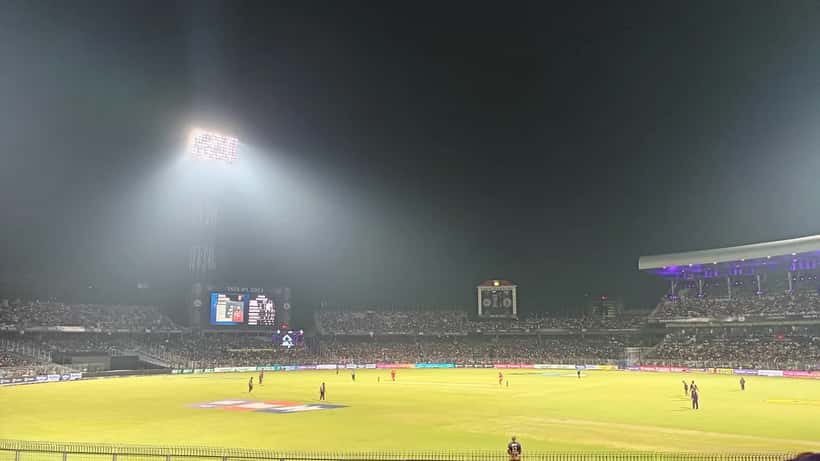
On 29 May 2026, Gujarat Titans took on Rajasthan Royals in IPL Qualifier 2 at Maharaja Yadavindra Singh International Cricket Stadium in New Chandigarh. The winner earns a place in the IPL 2026 Final. As millions of Australians tuned in via Kayo Sports and Fox Cricket, many placing pre-match wagers, most are unaware that Australia's gambling landscape is about to change more dramatically than at any point in the past 20 years.
On 2 April 2026, the Australian Government announced a sweeping package of gambling advertising reforms set to take effect on 1 January 2027. The measures were triggered by the Murphy Report into online gambling harm. Australia has one of the highest rates of gambling losses per capita in the world, and cricket is one of the most-wagered sports in the country.
Here are five things every Australian cricket bettor needs to understand — starting with tonight's match.
1. Live-Sport Betting Ads Will Be Banned on Television
From 1 January 2027, wagering advertisements will be completely prohibited during live sport broadcasts between 6:00 am and 8:30 pm. The ban activates five minutes before scheduled play begins and ends five minutes after play concludes.
Under the current rules, watching GT vs RR on Fox Sports or Kayo means encountering multiple betting promotions per ad break. From next year, those promotions disappear from live cricket broadcasts during daytime and prime-time hours. Outside those windows, after 8:30 pm, wagering ads will still be permitted during scheduled breaks, acknowledging that audiences at that time are predominantly adults.
"The advertising ban is the most visible change for sports fans," notes a Melbourne-based gambling law specialist. "Bettors will see fewer prompts while watching live sport, but licensed betting platforms remain fully legal to use."
2. Online In-Play Betting During a Match Is Already Illegal
Many Australian fans are surprised to learn that placing a bet during a live IPL game on a phone or laptop is already illegal under the Interactive Gambling Act 2001 (Cth). Online in-play betting — backing a player to score the next wicket, laying a live over-by-over market, or placing a mid-innings wager through a digital platform — is not permitted unless you are physically at a licensed TAB venue.
This restriction already applies to the IPL. Pre-match markets, such as the match winner, highest run-scorer, or first-wicket method, are fully legal with any licensed online bookmaker. But clicking "bet now" while Shubman Gill is mid-innings on a digital platform is a breach of federal law. The reform package announced in April 2026 does not change this rule; it was already in force under the Interactive Gambling Act 2001.
3. Celebrity and Athlete Endorsements for Betting Will Be Abolished
The 2026 reforms introduce a blanket ban on celebrity and athlete endorsements of wagering products. Former cricketers currently promoting licensed bookmakers on television and social media will not be permitted to do so after January 2027. The same restriction extends to current active athletes.
This is particularly significant for cricket. Multiple high-profile endorsement arrangements exist between major licensed operators and former Australian players. If you have seen ex-Test cricketers endorsing betting apps in recent months, those sponsorships must wind down before the end of 2026.
4. Betting Signage Will Disappear from Sports Venues
Australian sporting venues — including cricket stadiums — will be prohibited from displaying wagering advertisements from 2027. Currently, betting brand logos appear on digital hoardings, outfield signage, and commentary graphics during IPL broadcasts reaching Australian audiences. That visual presence will be removed.
The change mirrors shifts seen in the United Kingdom, where the English Premier League introduced a voluntary ban on front-of-shirt gambling sponsorships ahead of the 2026-27 season. For Australian cricket administrators, the reform raises questions about replacing the commercial revenue those arrangements currently generate.
5. Your Legal Protections Exist Right Now
Even before the 2027 reforms, existing Australian law gives bettors meaningful protections worth knowing before placing a wager.
All Australian-licensed bookmakers must offer self-exclusion through the National Self-Exclusion Register, known as BetStop. If you are concerned about your betting activity, BetStop allows you to exclude yourself from all Australian-licensed wagering operators simultaneously.
Licensed operators are required to comply with National Consumer Protection Framework obligations, which include mandatory pre-commitment tools, deposit limits, and restrictions on inducements offered to problem gamblers.
Crucially, unlicensed offshore betting platforms carry none of these protections. If a platform is not registered in Australia, you have limited or no legal recourse if it refuses to pay out winnings, charges unlawful fees, or mishandles your personal data.
When to Talk to a Gambling Lawyer
A specialist in gambling and consumer law can advise you on whether a licensed operator has met its obligations. This includes situations where you received a marketing inducement you believe was unlawful, encountered an illegal in-play prompt online, or have a dispute over a bet voided after a match. Under Australian consumer law, deceptive conduct by a licensed wagering provider can give rise to a formal complaint to the Australian Competition and Consumer Commission.
The reforms coming in January 2027 will reshape how Australians discover and engage with sports betting, but the core activity itself remains legal. As GT and RR decide tonight who advances to the IPL 2026 Final, knowing exactly where the legal lines are drawn is the starting point for any bettor. The rules exist now, and the new ones arrive in January 2027.
The current federal framework governing online betting in Australia is set out in the Interactive Gambling Act 2001, which remains the primary statute regulating wagering services for Australian consumers.
For related reading on the rights of Australian cricket fans watching the IPL, see our earlier piece on what Australians must know about cricket betting rights.
This article provides general information only and does not constitute legal advice. Individuals with specific legal concerns should consult a qualified solicitor.
