 Chloe Wilson
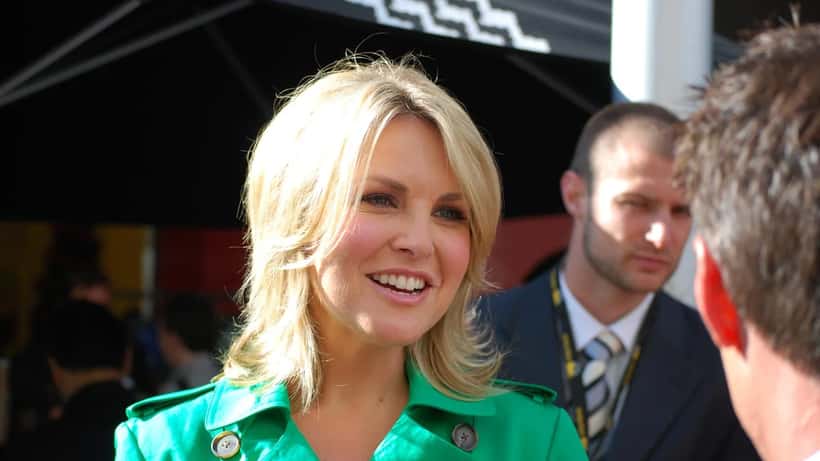
After nearly 25 years anchoring Australia's most-watched news bulletins, Georgie Gardner stepped away from the 9News Sydney desk for the last time on 17 April 2026. Her reason was unexpected in its candour: "There's possibly an element of vicarious sadness and trauma from continually reading pretty heavy stuff," the 55-year-old told media. With those words, Gardner put a name to an experience that thousands of Australians — far beyond the newsroom — know all too well.
The Story Behind the Farewell
Gardner spent 34 years in broadcast journalism, with nearly 25 of those at Nine. In that time she reported and presented across some of the most devastating events in modern Australian history — bushfires, floods, pandemics, and violent crime cycles that only seemed to intensify year after year. "The news is getting increasingly bleak," she said. Her farewell drew an outpouring of messages from colleagues and viewers, and quickly became a national conversation about the mental cost of working with other people's pain.
At 55, she is not retiring — she is pivoting. "I have so much energy," Gardner said. "I want to go, do, explore, learn and contribute in other areas." But she was clear: the decision to leave was driven, at least in part, by the emotional weight of her work.
What Vicarious Trauma Actually Is
Vicarious trauma — also called secondary traumatic stress — is a genuine psychological response that develops from indirect exposure to distressing material. You do not have to live through a traumatic event yourself to be affected by it. Repeated exposure to others' suffering, whether through patient care, legal work, emergency response, or nightly news bulletins, can gradually alter how you see the world.
The Diagnostic and Statistical Manual of Mental Disorders (DSM-5) recognises that professionals can develop PTSD-like symptoms through "repeated or extreme indirect exposure to aversive details of traumatic events" as part of their work. This is not rare, and it is not weakness — it is a documented occupational hazard.
Who Is Most at Risk in Australia?
Gardner's experience resonates well beyond broadcasting. In Australia, vicarious trauma commonly affects:
- Journalists and news presenters, who spend careers absorbing stories of disaster, violence, and grief
- Emergency services workers — paramedics, police, firefighters — who process human suffering on every shift
- Healthcare professionals in oncology, emergency medicine, and aged care
- Social workers and child protection officers, who regularly witness family trauma and neglect
- Legal professionals working with victims of crime, domestic violence, or abuse
- Teachers in disadvantaged communities dealing with chronic student adversity
According to Beyond Blue, work-related stress is one of the leading contributors to anxiety and burnout in Australia. Vicarious trauma takes that a step further — it can reshape core beliefs about safety, trust, and the world's fundamental fairness.
The Warning Signs to Watch For
The insidious quality of vicarious trauma is that it accumulates quietly. You may not notice it until it has already changed your perspective in significant ways. Common signs include:
- Emotional numbness or exhaustion — feeling detached or depleted after engaging with distressing material, even outside work hours
- Intrusive thoughts — work content bleeding into personal time, sleep, or relationships
- Hypervigilance — an unusual fear for the safety of yourself or loved ones that you cannot easily explain
- Loss of meaning — difficulty finding satisfaction in work you once found deeply rewarding
- Cynicism — a growing sense that things cannot improve, that suffering is inevitable and helping is futile
- Physical symptoms — disrupted sleep, frequent illness, persistent tension headaches
These signs are the body and mind's way of signalling that the emotional load has exceeded its safe carrying capacity. Left unaddressed, vicarious trauma can progress into clinical anxiety, depression, or PTSD.
What Gardner's Decision Models for All of Us
There is something instructive — and quietly courageous — in Gardner's public explanation. She did not frame her departure as burnout in the pejorative sense. She simply named what was happening and chose to act on it. That is precisely what mental health professionals encourage: early recognition and proactive response, before the condition entrenches into something more complex.
Gardner's willingness to name vicarious trauma on her way out matters. It normalises the conversation for the thousands of Australians in frontline roles who absorb other people's pain daily and have never had language for what they are experiencing.
Protecting Yourself and Knowing When to Seek Help
For most Australians, an immediate career pivot is not an option. The realistic path is proactive management. Mental health professionals recommend several evidence-based strategies:
- Name the experience — Recognising vicarious trauma as a valid occupational condition, not a personal failing, is the essential first step
- Create deliberate recovery rituals — Physical activity, creative outlets, and genuine downtime help the nervous system reset between exposures
- Set content boundaries — Limiting work-related distressing content outside hours is not avoidance; it is sensible self-protection
- Debrief with peers — Structured peer conversation after difficult cases or stories can prevent emotional buildup from compounding
- Seek professional support early — A psychologist or counsellor trained in occupational trauma can provide tools that general wellness resources cannot replicate
The key word is early. Vicarious trauma is significantly more treatable when addressed before it rewires deep emotional responses. If you are identifying with Gardner's experience — the depletion, the creeping bleakness, the sense that you are carrying weight that does not belong to you — that recognition itself is the prompt to act.
Related: Sam Mac's Mental Health Mission: Why TV Presenters Are Speaking Out About Mental Health
On Expert Zoom, you can connect with experienced psychologists and counsellors who specialise in occupational stress and vicarious trauma recovery — from the comfort of your home, at a time that suits your schedule.
The information in this article is general in nature and does not constitute medical advice. Please consult a qualified health professional for guidance specific to your situation.
