 Olivia Taylor
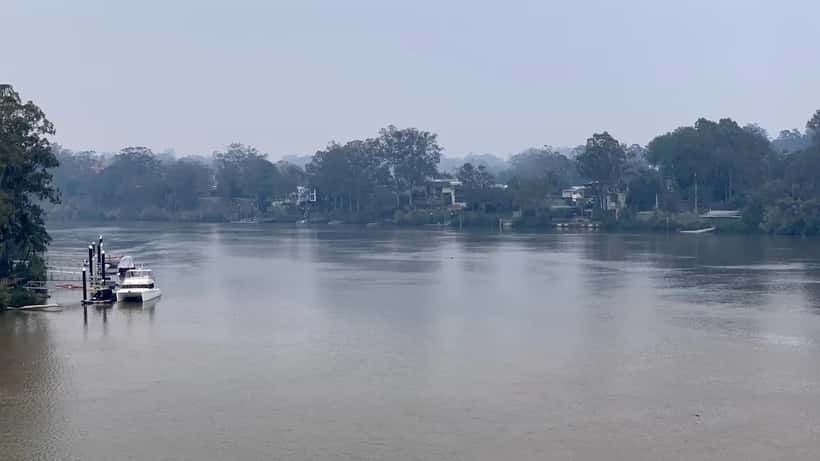
The start of spring in Australia marks the beginning of bushfire season, and in September 2026, smoke from early-season fires across Victoria and New South Wales is already prompting state-level air quality warnings. Thousands of Australians are typing "fires near me" into search engines to gauge proximity to danger — but distance alone tells only part of the story. Even when a fire is 100 kilometres away, its smoke can travel hundreds of kilometres and quietly damage your lungs, heart, and immune system over hours and days.
Why Bushfire Smoke Is More Dangerous Than It Looks
Bushfire smoke is not simply an inconvenience. It is a complex chemical cocktail containing fine particulate matter — specifically particles smaller than 2.5 micrometres in diameter, known as PM2.5. These particles are so small they bypass the nose and throat's natural filtering system entirely, travelling deep into the lower airways and, in some cases, crossing into the bloodstream.
According to Healthdirect Australia, the federal government's national health information service, PM2.5 particles can impair respiratory and cardiac function, promote systemic inflammation, and alter immune function. The effects can appear within hours of smoke exposure — sometimes before air quality is rated as visibly poor.
Australian research published in peer-reviewed journals has found that even short-term wildfire smoke exposure is associated with increased hospital attendance for asthma attacks. More concerningly, prolonged exposure — the kind Australians experienced during the 2019–2020 "Black Summer" fires — has been linked to chronic obstructive pulmonary disease (COPD), cardiovascular disease, and emerging evidence suggests possible associations with dementia and lung cancers.
In January 2026, winds pushed bushfire smoke north from Victorian fires, triggering health and air quality warnings across Victoria and New South Wales, according to ABC News reporting from 11 January. Health authorities urged residents with respiratory conditions to stay indoors, limit physical exertion, and monitor their symptoms carefully — advice that applies just as urgently as new fires ignite this September.
What Health Experts Say You Need to Watch For
When fires are burning anywhere near your area, health professionals identify two distinct groups who need to take action without delay.
People with pre-existing conditions — If you have asthma, COPD, heart disease, or another chronic respiratory or cardiovascular condition, you are in the highest-risk category. For this group, even moderate air quality deterioration can trigger a serious health event. Experts recommend having a written action plan from your GP before fire season begins, not during an active smoke event.
Healthy adults who underestimate cumulative risk — Many Australians dismiss smoke symptoms as minor irritation. But exposure accumulated over days or weeks — the norm during extended fire seasons — can stress the respiratory and cardiovascular systems in ways that are not immediately obvious. Symptoms that persist beyond 48 hours after smoke clears warrant medical attention even in otherwise healthy individuals.
The populations most vulnerable to smoke effects include pregnant women, children under 14, adults over 65, and anyone who works or exercises outdoors for extended periods. For these groups, the threshold for seeking professional health advice should be substantially lower than for the general population.
A Concrete Scenario: When Smoke Hits a Healthy Person Hard
Consider a 38-year-old primary school teacher based in Albury, New South Wales, with no known respiratory conditions. On a Tuesday morning in September 2026, she wakes to a thick smoke haze. A fire burning near Corryong — approximately 130 km south — has pushed a plume directly over the Albury–Wodonga region. Her state's air quality monitor is reading an AQI (Air Quality Index) of 320: rated "Hazardous."
She takes her usual 30-minute morning run outdoors, reasoning that she feels fine and the smoke "doesn't seem that bad." By midday she notices a dry cough, burning eyes, and a faint tightness in her chest. By Thursday — two full days later — the tightness has not resolved. Her resting heart rate is elevated by 8–10 beats per minute, and she is noticeably more breathless than usual climbing stairs.
This is a textbook case of underestimated cumulative smoke exposure. The PM2.5 particles inhaled during her outdoor run travelled deep into her lung tissue. Her body's inflammatory response, initially invisible, has been building steadily.
The if/then logic is direct: if you are exposed to AQI conditions above 200 for more than one hour outdoors and develop chest tightness, persistent cough, or unusual breathlessness that does not resolve within 48 hours, you should consult a GP on the same day. If you experience significant chest pain, severe shortness of breath, or rapid worsening of symptoms at any point, call 000 immediately — do not drive yourself.
In practical terms, a GP consultation in this scenario in 2026 costs between $0 (bulk-billed) and approximately $80 out-of-pocket. A telehealth consultation can assess whether spirometry or further investigation is needed. Delaying that conversation risks a short-term inflammatory episode becoming a longer-term respiratory issue requiring more expensive treatment.
The Mental Health Dimension Few People Factor In
A dimension of bushfire smoke exposure that is frequently overlooked is its psychological impact. Research following the 2019–20 bushfire season documented significant increases in anxiety, insomnia, and post-traumatic stress symptoms among Australians who lived in smoke-affected areas for extended periods — including those who did not directly lose property.
The constant uncertainty — "how close is the fire?", "should we evacuate?", "is it safe for the kids to go to school?" — combined with disrupted sleep from smoke or alarm, and the physical discomfort of smoke exposure, creates a compounding health burden. Mental health professionals note this response is entirely normal and does not require a serious event such as property loss to be clinically significant.
If you find yourself experiencing persistent anxiety, sleep disruption, or emotional distress during fire season, speaking with a psychologist or GP via telehealth is a practical and accessible option. Many telehealth mental health consultations are covered by Medicare under a Mental Health Treatment Plan, which your GP can arrange in a standard 20-minute appointment.
For Australians managing respiratory health during active fire seasons, the risks of smoke are comparable to those from other environmental hazards — see also how volcanic ash from Pacific eruptions in 2026 triggered similar respiratory warnings for Australian communities in this detailed breakdown of smoke and air quality risks.
Practical Steps to Protect Yourself This Fire Season
When indoors during smoke events:
- Keep windows and doors closed when smoke is visible outside or air quality is rated "Poor" or above on your state's monitoring service
- Use air conditioning on recirculate mode — avoid drawing in outside air
- A portable air purifier with a HEPA filter provides meaningful protection, particularly in bedrooms where children sleep
When you must go outdoors:
- P2 or N95 masks provide meaningful protection against PM2.5 when worn correctly and consistently; standard surgical masks and fabric masks do not filter fine particles adequately
- Avoid outdoor exercise when the AQI exceeds 100 — the short-term fitness gain is not worth the respiratory cost
Monitoring air quality:
- The Bureau of Meteorology (bom.gov.au) publishes daily air quality forecasts and smoke haze advisories
- Your state's environment protection authority provides real-time AQI readings by location
- Home air quality monitors are increasingly affordable; readings above AQI 150 should prompt you to take protective indoor action immediately
When to call your GP or book a telehealth consultation:
- Persistent cough lasting more than 48 hours after smoke exposure ends
- Worsening asthma that is not controlled by your usual reliever medication
- Chest tightness or pain, even if mild
- Unusual fatigue or breathlessness during activities that normally feel easy
Call 000 immediately if:
- You experience severe shortness of breath or cannot catch your breath at rest
- Chest pain is significant or is accompanied by dizziness or sweating
- A child is visibly struggling to breathe or their lips are turning blue
Getting Expert Health Advice Without Leaving Home
During active fire and smoke events, visiting a clinic in person is not always practical or safe — particularly when outdoor air quality is poor. Expert Zoom connects Australians with qualified GPs, respiratory physicians, and mental health professionals via telehealth, with appointments often available within hours. Whether you need to assess smoke-related symptoms, review your asthma action plan, or talk through anxiety related to fire season, booking a consultation means you get personalised professional advice without stepping into the smoke.
Disclaimer: This article provides general health information only and does not constitute medical advice. If you are experiencing a medical emergency, call 000. Always consult a qualified health professional regarding your individual situation, particularly if you have a pre-existing health condition.
format_used: Expert reaction
