 Chloe Kennedy
Prince George, the 13-year-old heir to the British throne, walked through the gates of Eton College on 8 September 2026, accompanied by his parents William and Catherine, the Prince and Princess of Wales. With fees of approximately £63,000 per year — roughly AUD $130,000 — Eton's eye-watering price tag is renewing a very Australian conversation: just how much does elite private schooling actually cost, and how do families plan for it?
The Eton Price Tag and What It Means for Australia
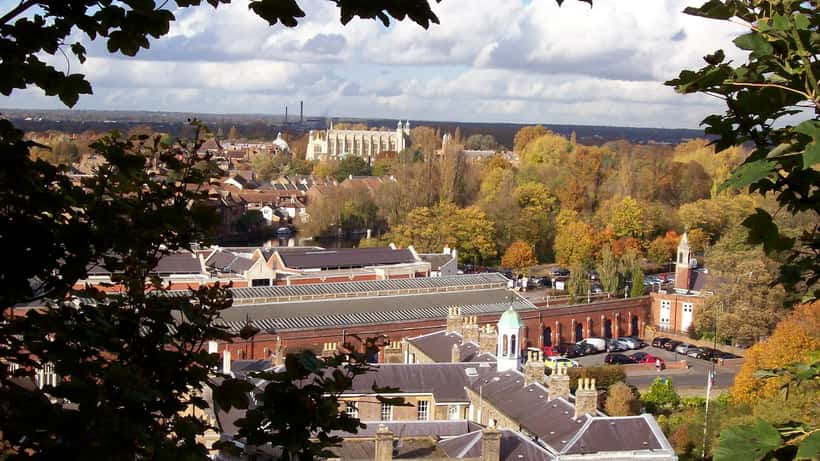
Eton College, founded by King Henry VI in 1440 near Windsor Castle, has educated 20 British prime ministers and a litany of globally influential figures, from David Cameron to Boris Johnson to actors Hugh Laurie and Tom Hiddleston. Prince George joins his father Prince William and uncle Prince Harry as alumni of the school, which accommodates approximately 1,300 boys across 25 boarding houses.
But the real story for Australian families isn't heritage and striped blazers — it's the financial reality of comparable ambition at home. Australia's elite non-government boarding schools — Scots College, Shore, Cranbrook, Melbourne Grammar, Geelong Grammar, The King's School — charge boarding fees ranging from $35,000 to $55,000 per year for senior students. That figure excludes levies, excursions, uniforms, and technology fees that routinely add another $5,000 to $15,000 per year.
For a student enrolling in Year 7 and graduating Year 12, a family at the upper end of that range can expect to spend between $480,000 and $840,000 in today's dollars — before factoring in fee inflation. According to the Australian Bureau of Statistics, education costs have risen consistently faster than the general Consumer Price Index over the past decade, with premium private school fees historically increasing by 4–6% per year. Over six years, a fee that starts at $48,000 in 2026 reaches approximately $61,500 by Year 12 at 4% annual growth — not a rounding error.
Eton's AUD $130,000 annual bill looks extreme, but the gap between it and Australia's top-tier schools narrows considerably when full boarding, extras, and a decade of inflation are included. Source: Australian Bureau of Statistics, Consumer Price Index
What Wealth Advisers See When the Royal News Hits
For wealth management advisers, moments like Prince George's Eton enrolment are familiar catalysts. Enquiries spike, and the question is always the same: "Can we afford it, and if so, how?" What separates families who navigate elite private school fees successfully from those who end up financially stretched — a condition financial counsellors increasingly call "fee stress" — is rarely just income. It is whether they started planning early and understood three compounding forces working against them: rising fees, rising extras, and the opportunity cost of capital.
There are three primary financial planning levers that Australian wealth advisers recommend for elite private school fee management:
Education Bonds: Structured investment vehicles designed specifically for education expenses. Under Australia's tax rules, gains within an education bond that has been held for at least 10 years can be withdrawn tax-free for education purposes. A family investing $8,000 per year from a child's birth — assuming 6% annual growth — could accumulate approximately $186,000 by Year 7. This is not a complete solution for top-tier boarding fees, but it forms an important foundation layer.
Fee Prepayment Arrangements: Many elite Australian schools offer prepayment schemes that lock in today's fee for future years. For a school currently charging $48,000 per year, prepaying three years upfront at current rates saves approximately $8,640 in fee inflation costs alone if fees increase at 4% annually — effectively a guaranteed 4% return on capital deployed.
Family Trust and Investment Structures: Families with business income or investment portfolios may use discretionary trusts to fund school fees tax-efficiently, distributing income to adult beneficiaries or children with lower marginal tax rates to meet education obligations. This approach requires proper legal and financial structuring and is not appropriate for all situations, but can significantly reduce the after-tax cost of elite schooling.
Concrete Case: The Harrington Family's Six-Year Fee Projection
Consider this scenario, which wealth managers across Sydney and Melbourne encounter regularly.
Marcus and Priya Harrington, aged 39 and 37, live in Melbourne with two children: Sophie, aged 5, and Oliver, aged 3. They aspire to send both children to Geelong Grammar for Years 7 through 12. Geelong Grammar's current residential boarding fee for 2026 is approximately $49,500 per year per student (excluding extras).
If they do nothing until Year 7 enrolment:
- Sophie starts Year 7 in 2033. At 5% annual fee inflation: Year 7 fee ≈ $69,700
- Total projected six-year boarding cost for Sophie (fees only, inflation-adjusted): approximately $475,000
- Oliver starts in 2035. Projected six-year cost: approximately $523,000
- Combined projected outlay across both children: $998,000 — before levies and extras estimated at 15%
- Real total: approximately $1.15 million
If they begin a structured education savings plan today:
- Monthly contribution per child: $2,200 ($4,400 combined)
- Investment return: 6% per annum in education bonds
- Projected balance at Sophie's Year 7 (2033): approximately $376,000
- Projected balance at Oliver's Year 7 (2035, with ongoing contributions): approximately $437,000
- Total capital available: $813,000 — covering the majority of projected fee liability with remaining years' fees met from income
The critical if/then: if the Harringtons start this plan today (September 2026), their required monthly contribution is $4,400. If they wait until Sophie is 10 (2031), they would need $7,100 per month to reach the same outcome — a 61% increase in required monthly savings for a five-year delay. Fee inflation compounds the shortfall; delayed savings forfeit the compounding growth that makes early starts so powerful.
The Scholarship Route: Not Just for Academic Elites
Eton offers bursaries — 99 boys in 2023-24 paid no fees at all — but for international families, the financial support pathway is essentially closed. In Australia, the scholarship landscape is considerably more accessible, and it is often underused by families who assume their child is not "scholarship material."
Most GPS and AGSV schools in Australia offer academic, music, arts, and sport scholarships ranging from 10% to 100% fee remission. A 25% scholarship at a $49,500-per-year school saves $12,375 annually, or $74,250 across six years — a sum that, if invested, would itself compound meaningfully.
Families who invest in structured scholarship preparation from Year 4 or 5, including targeted tutoring and scholarship examination coaching, typically spend between $4,000 and $10,000 in preparation costs. That investment can return five to ten times its value in fee remissions over a senior school career. A homework help or specialist tutoring relationship established early is not merely an academic investment — it is a financial planning tool.
One frequently overlooked legal point: scholarship offers from Australian private schools are formal contractual agreements. Continuation clauses — minimum grades, attendance requirements, co-curricular participation conditions — are legally binding. Families who accept a scholarship and later fail to meet continuation conditions have limited recourse. Before accepting any scholarship offer, a legal review of the terms and conditions is strongly recommended.
What to Do Right Now
Prince George's first day at Eton is a useful prompt. Here is what a wealth management specialist would recommend for Australian families considering elite private schooling:
- Model the real number. Add 15–20% to published school fees for extras. Then apply 4–5% annual fee inflation across the full enrolment period. The total is almost always larger than parents expect.
- Start a dedicated education savings vehicle now. The monthly contribution required to meet the same savings target increases by approximately 12–15% for every year you delay.
- Explore prepayment schemes. If a school place is confirmed, ask whether the school offers fee prepayment — it is a low-risk inflation hedge.
- Investigate scholarship pathways. Any child with academic, musical, or sporting strengths is a scholarship candidate. Start structured preparation by Year 4 or 5.
- Have scholarship letters reviewed legally. Conditions that seem minor today can become significant if circumstances change.
- Speak to a fee-specialist wealth adviser. Education fee planning sits at the intersection of investment structuring, tax planning, and family financial strategy. A general financial planner may not have the depth required for this specific goal.
Australia's equivalent of Eton may not produce 20 prime ministers — though it has produced plenty — but the financial planning required to access it is no less serious. Today's news from Windsor is tomorrow's question at the kitchen table across Sydney, Melbourne, and Brisbane. The families who answer it well are the ones who started the conversation early.
YMYL disclaimer: This article is for informational purposes only and does not constitute financial, legal, or tax advice. Consult a qualified financial adviser and solicitor for advice specific to your circumstances.
